
How to Build a Brand, Not Just a Business
Imagine you’re looking for a marketing agency.
You open two websites.
The first one lists its services, shows a few stock photos, and tells you they’ve been in business for years.
The second one immediately communicates who they are, what they believe in, how they solve problems, and why clients trust them.
Both companies may offer the same services.
So why does one instantly feel more credible?
Because one has built a business.
The other has built a brand.
Today, customers don’t just compare products or prices. They compare experiences, credibility, and trust. Before someone fills out your contact form or walks into your store, they’ve already started forming an opinion about your business.
That’s why building a brand is no longer optional. It’s one of the smartest investments you can make if you want long-term business growth.
 What Does It Mean to Build a Brand?
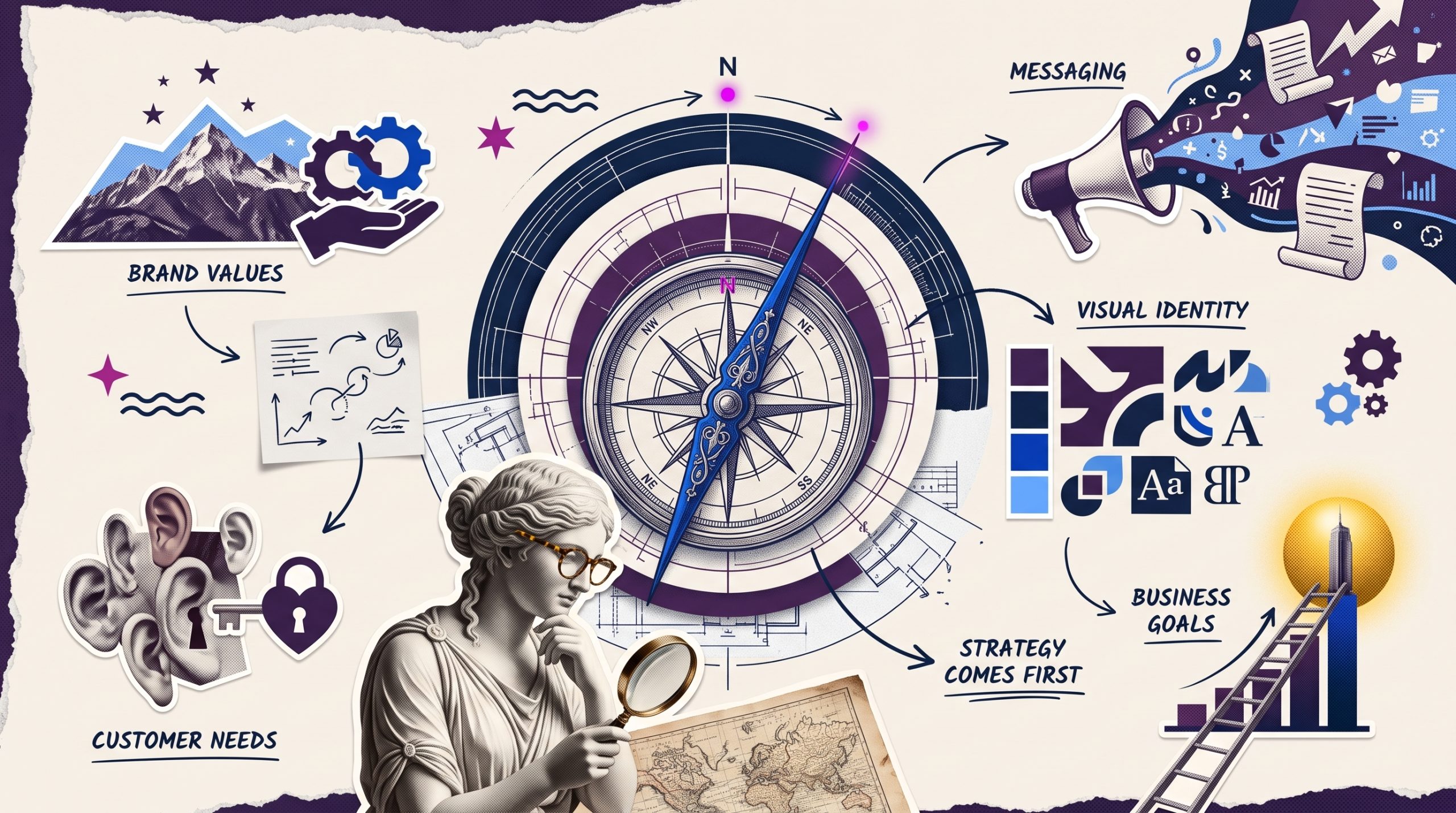
To build a brand means creating a clear identity that helps customers recognize, trust, and remember your business. A strong brand combines your purpose, messaging, visuals, customer experience, and reputation into something that makes your business stand out in a competitive market.
Many people confuse branding with design.
A logo. A color palette. A website.
Those are important pieces of your brand identity, but they are only the visible layer.
Your brand is really the impression people have after interacting with your business.
It is what customers expect before they buy.
It is the reason someone chooses your company over another that offers almost the same thing.
Think about the brands you trust.
Chances are, you remember how they made you feel long before you remember the details of what they sold.
That is the power of business branding.
Quick Reality Check
If someone removed your logo today, would customers still recognize your business by your messaging, tone, and customer experience alone?
A Business Generates Sales. A Brand Creates Loyalty.
Businesses focus on selling products or services. Brands focus on creating trust, loyalty, and emotional connection. The strongest companies understand that long-term success comes from building relationships, not just completing transactions.
Here’s a simple comparison.
| Business | Brand |
| Sells products or services | Builds trust and recognition |
| Focuses on transactions | Focuses on relationships |
| Competes on price | Competes on value |
| Generates customers | Creates loyal advocates |
| Can be copied | Difficult to replicate |
Think about your own buying habits.
When you need a new phone, a favorite coffee, or even a marketing agency, you probably don’t start by comparing prices.
You start with the businesses you already know.
That familiarity didn’t happen by accident.
It came from consistent brand awareness, clear messaging, and positive experiences over time.
Customers don’t become loyal because a company has the lowest price.
They become loyal because they know what to expect.
Why Branding Matters More Than Ever
Strong branding helps businesses stand out, build credibility, and earn customer trust before a conversation even begins. As competition continues to grow across almost every industry, a clear brand strategy becomes one of your biggest competitive advantages.
The way people buy has changed.
Most customers will visit your website before they contact you.
They’ll browse your social media pages, read reviews, and compare you with competitors.
Your website design is often the first place people experience your brand strategy in action. From its layout and messaging to the overall user experience, every detail shapes how visitors perceive your business.
By the time they reach out, they’ve already formed an opinion about your business.
That means your brand is often working before your sales team ever does.
According to Forbes Business Council, businesses that focus on long-term brand strategy rather than short-term promotion often build stronger customer loyalty by consistently reinforcing what their business stands for, not just what it sells.
Branding influences everything from customer perception to employee recruitment and even pricing power.
When people trust your brand, they’re often willing to pay more because they believe they’re receiving greater value.
Did You Know?
Customers are far more likely to purchase from businesses they recognize than from businesses they’ve never heard of. Brand familiarity reduces uncertainty, making buying decisions easier and faster.
Great Brands Start With Purpose
Every memorable brand is built around a clear purpose. Customers connect more deeply with businesses that communicate why they exist, not just what they sell. Purpose gives your brand positioning direction and gives customers something meaningful to remember.
Ask yourself one question.
If your products disappeared tomorrow, what would people still remember about your business?
Would they remember your customer service?
Your expertise?
Your innovation?
Your commitment to sustainability?
Or would they remember another company selling the same thing as everyone else?
Purpose is what separates memorable brands from forgettable businesses.
It becomes the foundation for your messaging, your customer experience, and your brand positioning.
Forbes recently highlighted that companies built around a mission often outperform those built around products alone because customers naturally connect with businesses that stand for something bigger than sales.
Purpose gives people a reason to care.
And people remember businesses they care about.
The strongest brands make that purpose visible from the beginning, whether it’s through their story, company values, or the experience they create for customers.
Your Brand Lives in Every Customer Interaction
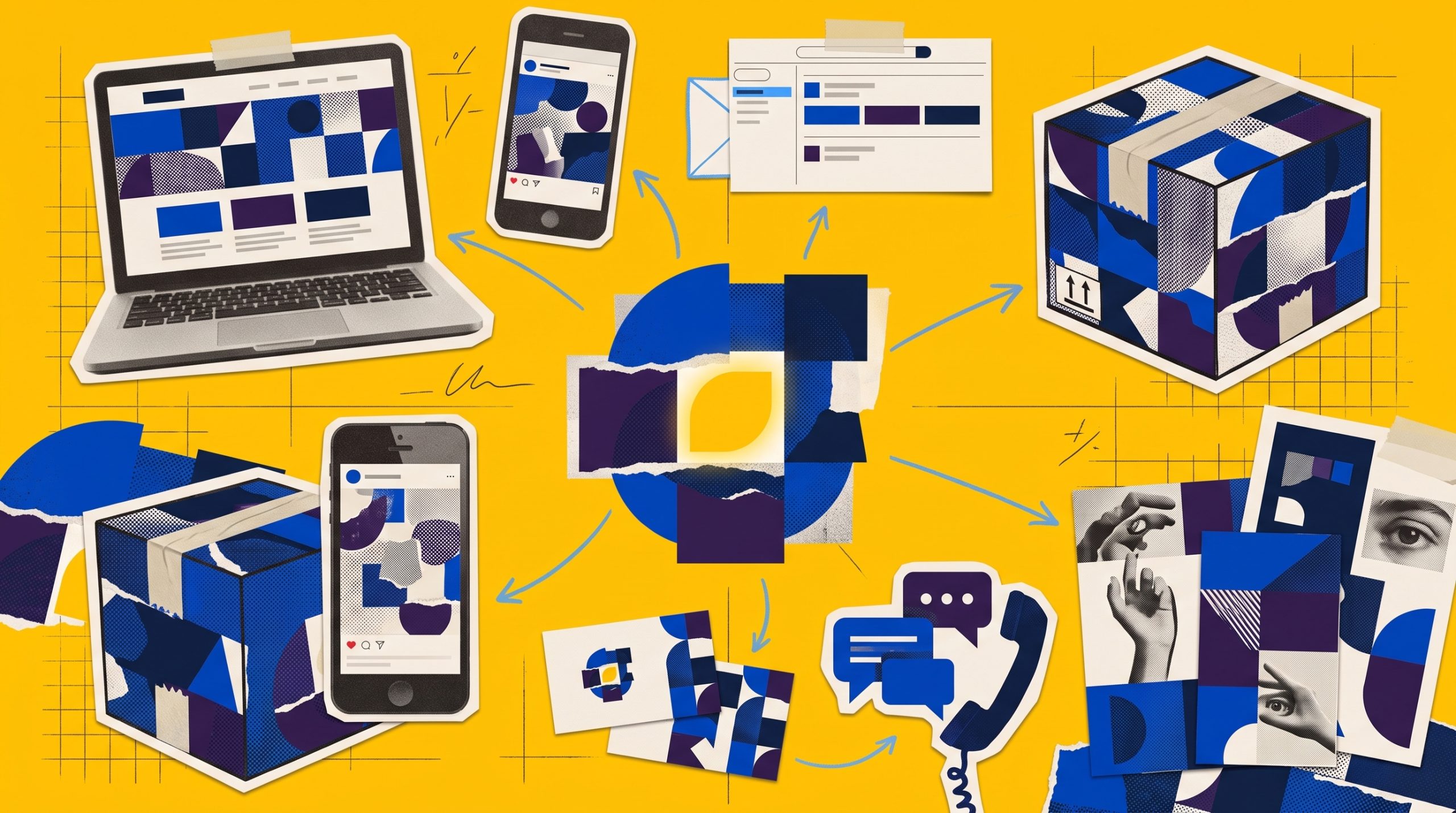
Your brand identity extends far beyond visual design. Every interaction, from your website and social media to customer service and emails, shapes how people experience and remember your business.
This is where many businesses unintentionally create inconsistency.
Their website feels polished.
Their social media feels completely different.
Customer emails sound formal.
Sales presentations sound casual.
None of these things are necessarily wrong.
But together, they create a confusing experience.
A strong brand identity creates consistency across every touchpoint.
| Touchpoint | What It Communicates |
| Website | Professionalism |
| Social media | Personality |
| Customer service | Trustworthiness |
| Email communication | Reliability |
| Visual identity | Recognition |
Customers rarely judge your business based on one interaction.
They remember the overall experience.
The more consistent that experience feels, the stronger your brand recognition becomes.
Consistency Is What Turns Recognition Into Trust
A consistent brand helps customers know what to expect every time they interact with your business. From your visual identity to your tone of voice, consistency strengthens trust and makes your business easier to remember.
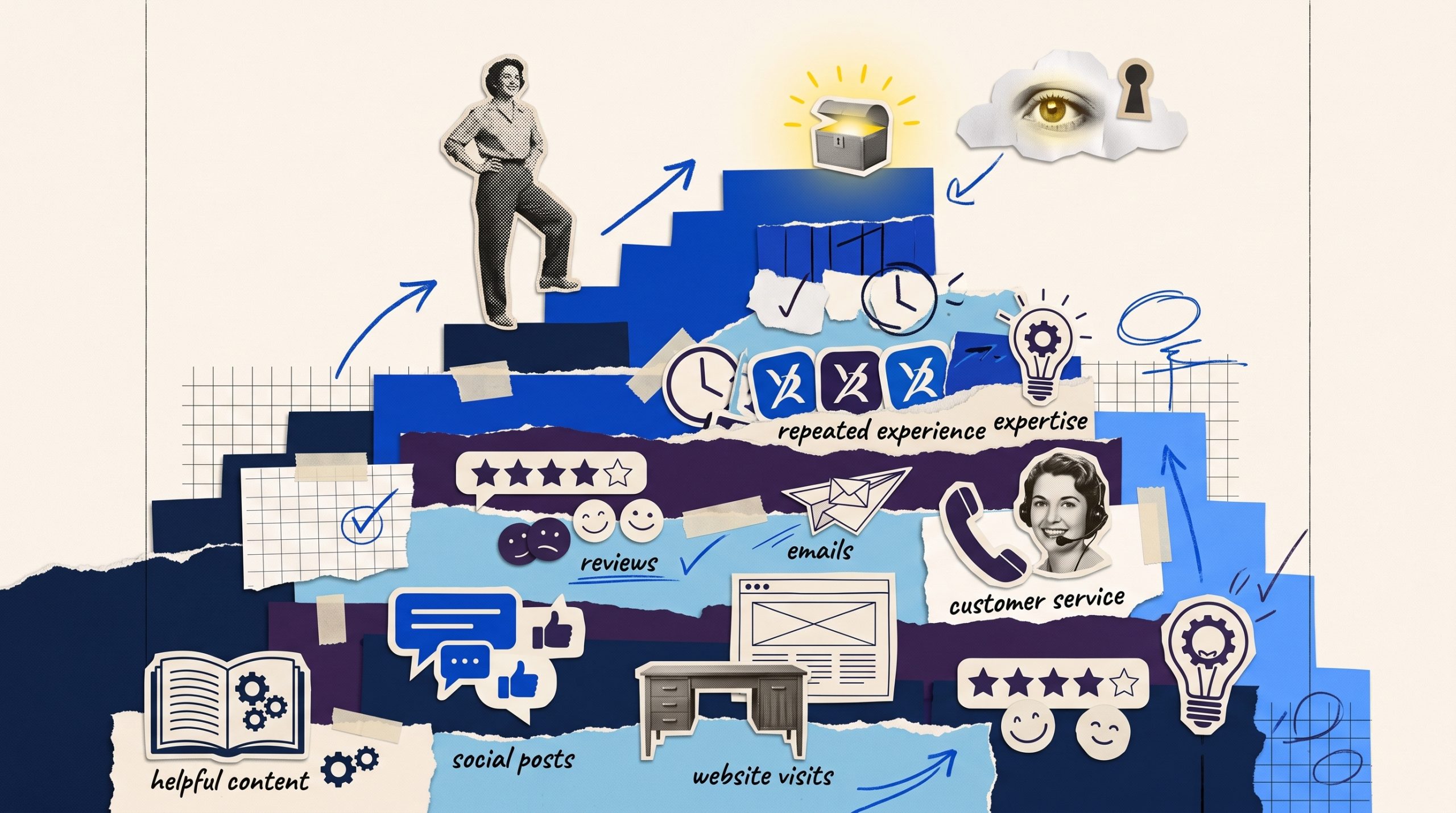
Have you ever visited a company’s website that looked polished, only to find outdated social media pages or inconsistent messaging elsewhere?
It feels disconnected.
Customers notice these details more than businesses realize.
Brand consistency does not mean saying the same thing repeatedly. Maintaining brand consistency across your website, social media, and marketing materials helps customers recognize your business wherever they find you. We’ll explore practical ways to achieve this in our upcoming guide on brand consistency.
Whether someone discovers your business through Google, LinkedIn, Instagram, or a referral, the experience should feel familiar.
Over time, that familiarity becomes trust.
A Quick Brand Consistency Check
Ask yourself these questions:
| Question | Why It Matters |
| Does your website reflect your current business? | First impressions often happen online. |
| Are your logo, colors, and messaging consistent? | Consistency improves brand recognition. |
| Do your social media platforms sound like the same company? | Customers expect one clear identity. |
| Would your employees describe your brand the same way? | Internal clarity creates external consistency. |
If you answered “no” to more than one of these, it may be time to revisit your branding strategy.
Trust Is Built Long Before Someone Becomes a Customer
Customers rarely buy from a business the first time they discover it. Trust is built gradually through helpful content, consistent communication, and positive experiences that demonstrate expertise over time.
Think about the last major purchase you made.
You probably didn’t decide immediately. You researched. Compared options. Read reviews.
Visited websites.
That same behavior applies to your customers.
Every blog post, social media update, email, and client interaction either builds confidence or creates doubt.
That is why branding and content marketing work so well together.
Publishing educational content consistently strengthens brand awareness while helping potential customers understand your expertise before they ever reach out.
When businesses consistently educate instead of constantly selling, they position themselves as trusted experts instead of just another option.
This is one reason BSD places so much importance on educational content. Every helpful article becomes another opportunity to build credibility before the first conversation ever happens.

Personal Brands Are Changing How Businesses Grow
People connect with people before they connect with companies. Businesses that combine a strong corporate brand with authentic leadership often build trust faster and create stronger customer relationships.
One of the biggest branding trends over the past few years is the rise of personal branding.
Customers increasingly want to know the people behind the business.
Who started the company? What do they believe in? What experience do they bring?
For many businesses, especially service-based companies, the founder’s reputation becomes part of the overall business identity.
That does not mean every business owner needs to become an influencer.
It simply means showing the human side of your company.
Sharing insights. Celebrating milestones. Talking about lessons learned.
People relate to stories much more than slogans.
Forbes Communications Council recently noted that strong personal brands often strengthen business brands because they create authenticity, something customers value more than polished marketing alone.
Branding Is Never Finished
Building a brand is an ongoing process. As your business grows, your messaging, positioning, and customer expectations evolve too. Regular brand reviews help ensure your business continues to stay relevant.
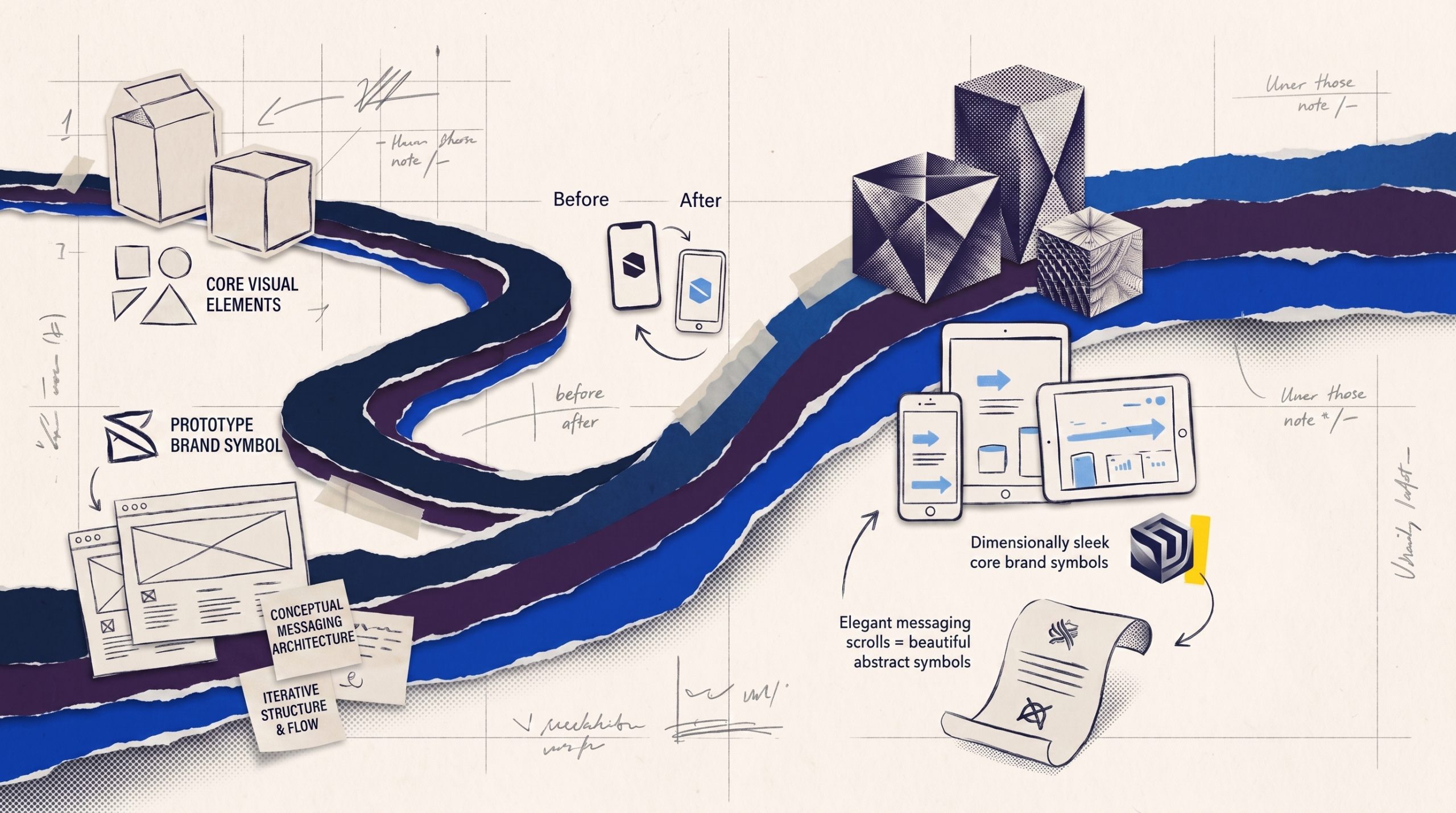
One common misconception is that branding is a one-time project.
Design the logo. Launch the website. Done.
In reality, brands grow alongside businesses.
Your audience changes. Your services evolve. Markets become more competitive.
What worked five years ago may no longer reflect who you are today.
That is why successful businesses regularly review their brand positioning.
Sometimes that means refreshing visual assets.
Sometimes it means refining messaging.
Sometimes it means completely rethinking how the company communicates its value.
The goal is not to change your identity every year.
The goal is to make sure your brand continues reflecting where your business is heading.
Is Your Brand Working As Hard As You Are?
A growing business should regularly evaluate whether its brand still supports its goals. A simple brand audit can reveal opportunities to improve customer perception, strengthen messaging, and create a more consistent experience.
 Before investing in another marketing campaign, take a step back and ask yourself:
✓ Can someone understand what makes my business different within the first few seconds of visiting my website?
✓ Does my messaging sound consistent across every platform?
✓ Does my visual identity still reflect the quality of my business today?
✓ Are we known for something beyond the products or services we sell?
✓ Would our customers describe our brand the way we want them to?
If several of those questions made you pause, your next investment may not be more advertising.
It may be building a stronger brand.
Key Takeaway
Marketing gets people to notice your business.
Branding gives them a reason to remember it.
BSD Perspective
At Brightsand Designs, we’ve worked with businesses across different industries, from construction and professional services to retail and healthcare.
One thing we’ve consistently observed is that businesses rarely struggle because they lack expertise.
More often, they struggle because they have not communicated that expertise clearly.
We’ve seen companies invest heavily in advertising while overlooking the foundation that makes marketing effective in the first place.
A clear brand gives every marketing effort more direction.
When customers understand who you are, what you stand for, and why your business is different, every campaign becomes more effective because you’re reinforcing trust instead of trying to create it from scratch.
Marketing performs better when branding comes first.
Build Something People Remember
Products change.
Markets evolve.
Competitors come and go.
A strong brand is one of the few business assets that continues growing over time.
When customers recognize your business, trust your expertise, and remember the experience you create, every future marketing effort becomes more effective.
That is why the goal should never be to simply grow a business.
The goal is to build a brand that people trust, recommend, and choose with confidence.
The businesses that thrive over the next decade will not necessarily be the ones spending the most on advertising.
They will be the ones who consistently communicate who they are, what they believe in, and why they matter.
If your business can do that well, growth becomes much easier to sustain.

Related Posts

When Is It Time to Rebrand? 7 Signs Your Business Has Outgrown Its Brand
Your business can grow faster than its brand. Learn seven signs it may be time…

How to Tell a Brand Story People Actually Remember
A strong brand story gives people a reason to care and remember. Learn how to…

What Makes a Brand Memorable? 7 Elements That Help You Stand Out
Memorable brands are easier to recognize and trust. Explore seven elements that…
[…] business branding works best when every decision supports the bigger picture. To build a stronger brand, your purpose, identity, messaging, and customer experience need to work […]
[…] content first, visit your website later, then read an email or speak with your team. If you want to build a stronger brand, those moments should feel […]
[…] works best when it supports the bigger picture. To build a stronger brand, your palette should work with your purpose, message, personality, and customer […]
[…] you are building a stronger brand, expertise is one of the most valuable things you can make visible. When people can see how you […]
[…] you want to build a stronger brand, you do not need to be louder than everyone else. You need to be easier to know and […]
[…] you want to build a stronger brand, your story should support the same purpose, message, and experience people see everywhere […]
[…] strong brand should grow with the business. If you have been working to build a stronger brand, a rebrand may be the next step when the old identity no longer supports where you are […]