

Some brands are easy to spot before you see the name.
A color can do it. A shape can do it too. Even a certain tone can bring one brand to mind.
That kind of recall is not luck.
A memorable brand gives people clear cues. It repeats them often enough to feel familiar. It also gives those cues a clear meaning.
If you want to build a stronger brand, you do not need to be louder than everyone else. You need to be easier to know and remember.
So, what makes a brand memorable? These seven elements matter most.
1. Clear Positioning Gives People One Strong Idea
A memorable brand is clear about who it helps and why it matters. People should not have to work hard to understand your value. Give them one strong idea they can link to your name. That idea becomes the base for your message, visuals, and content.

Start with a simple question.
What should a person remember after a short visit to your site?
Maybe you make a hard service feel simple. Maybe you are known for care, speed, or deep skill. Maybe you serve one group better than most.
A smaller business does not need to say everything. It needs to make the right thing clear.
Clear positioning also helps the rest of the brand stay focused. It guides your message, offers, visual choices, and content.
2. Distinctive Brand Assets Make You Easier to Spot
Brand assets are the cues people link to your business. Your logo is one. Your colors, type, shapes, icons, photo style, or even a sound can help too. The best assets make your brand easier to spot before a person reads every word.
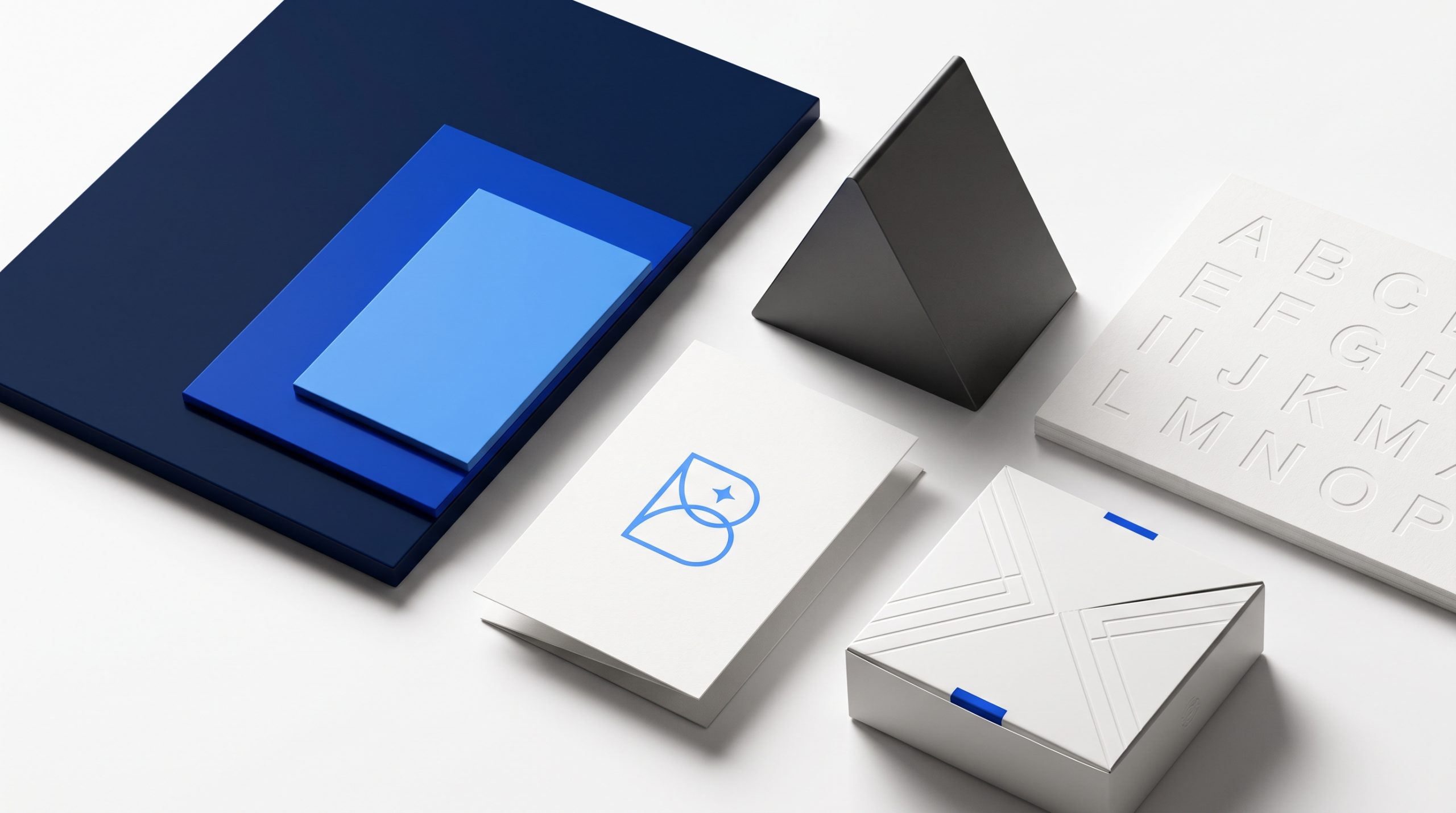 The goal is not to use more design. The goal is to own a few cues clearly.
A blue brand is not distinct just because it uses blue. Many brands may use the same color.
What matters is how the color works with the rest of the system.
A strong brand identity brings these pieces together. It gives each cue a clear job. Over time, people learn to link those cues to your business.
Ipsos has studied how distinctive assets help brands get noticed and recalled. The lesson is simple. Strong cues work best when people can link them to one brand.
Try a quick test.
Hide the logo from one of your posts. Would anything else still point back to your brand?
If the answer is yes, your other brand assets are doing useful work.
3. A Clear Brand Voice Adds Personality
People remember how a brand sounds as well as how it looks. A clear voice makes your message feel more human. It also helps your website, social posts, emails, and sales material feel like they come from the same business.
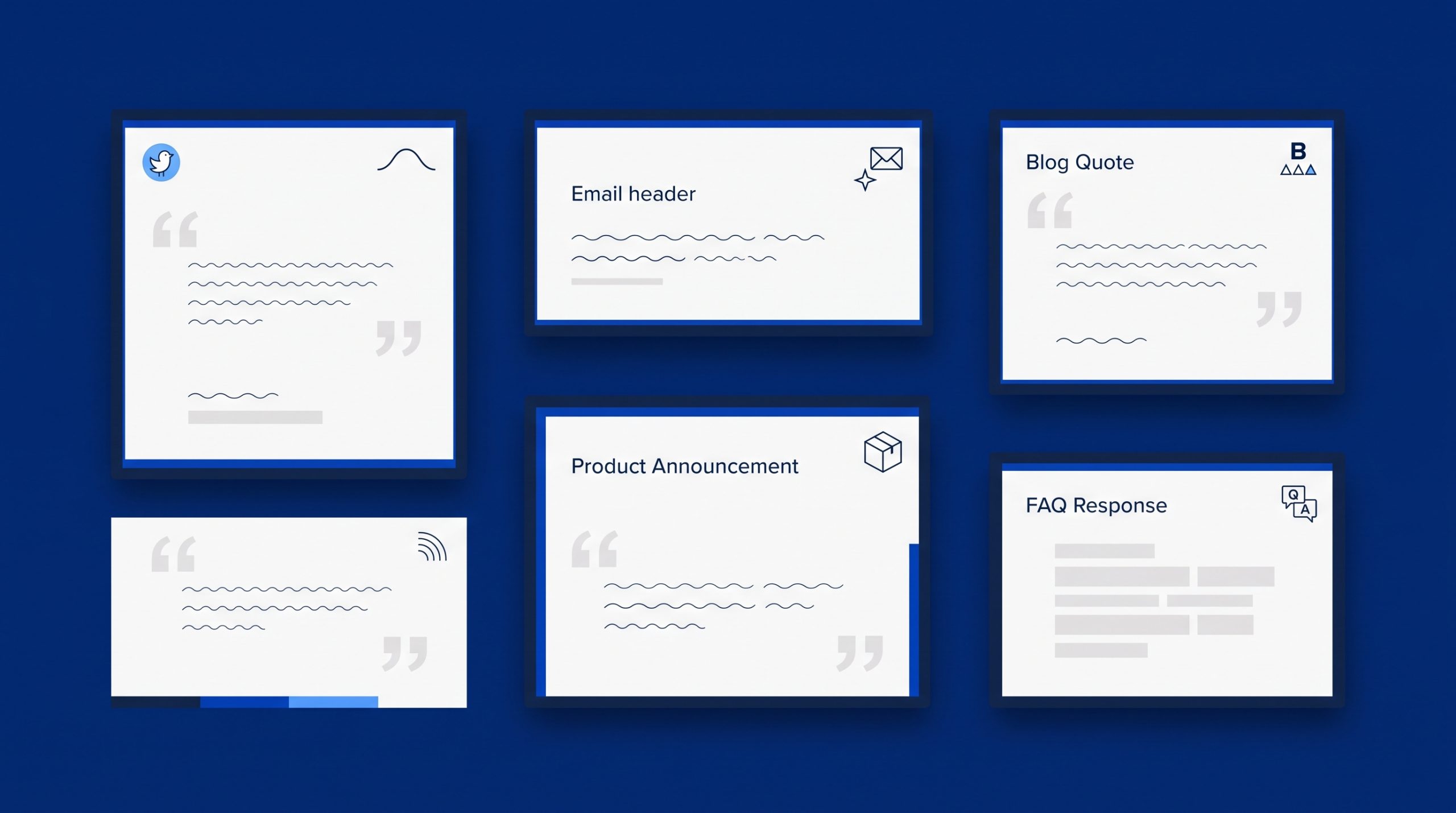
One brand may sound warm and helpful. Another may sound sharp and expert. A third may sound fun and direct.
None of these is always better. The best voice fits your brand and your audience.
The problem starts when the voice changes all the time.
A calm website and random social posts can feel like two brands. So can formal emails and very casual sales pages.
You do not need clever lines in every post.
You need a clear way of speaking that people can know as yours.
4. Consistency Helps the Brand Stick
People remember what they see and hear more than once. That is why brand consistency matters. The same core colors, tone, message, and visual cues should show up again and again. They can change by format, but they should still feel linked.

A strong campaign may get attention once.
A strong brand links one moment to the next.
Your site, social posts, emails, proposals, and service should feel related. They do not need to look the same. They do need to feel like the same business.
Your website design may use more space and detail than a social post. That is fine. Keep the same core colors, tone, style, and message.
The same rule applies to your social media strategy. Formats can change. The brand should still be easy to spot.
Kantar often describes brand cues as mental shortcuts. Repeated use helps people link those cues to your brand.
So do not change your best cues just because you are tired of them.
You see your brand every day. Your audience does not.
5. Emotion Gives People a Reason to Care
A brand can be easy to spot and still be easy to forget. People also need a reason to care. That reason is often a feeling. It may be trust, joy, calm, pride, ease, or confidence.
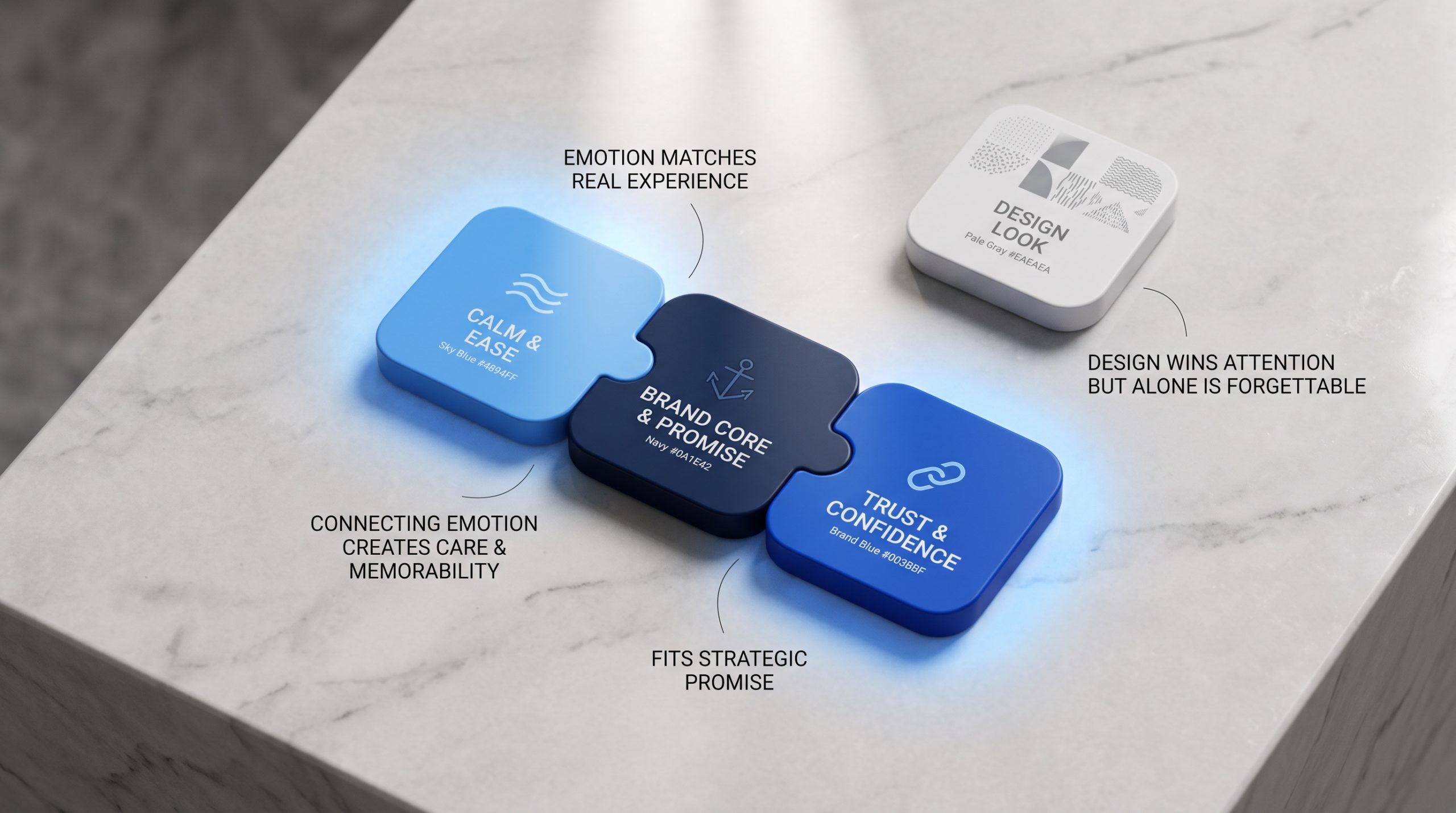 The feeling does not need to be dramatic.
A finance brand may want people to feel safe. A kids brand may want them to feel joy. A service firm may want clients to feel calm and sure.
The emotion should fit the promise. It should also match the real experience.
This is why good branding is more than design.
A strong look can win attention. A clear feeling can help the brand stay in mind.
6. The Experience Must Match the Promise
Your brand makes a promise before a customer buys. The real experience needs to support it. If you say your service is simple, helpful, premium, or fast, customers should feel that when they deal with you.

If you say your service is simple, the process should feel simple.
If you say you are helpful, replies should feel helpful.
If you look premium, the service should feel polished too.
A gap between the promise and the experience can hurt trust. It can also leave the wrong memory.
Think about the full path. Check the website, buying steps, replies, service, and follow-up.
Qualtrics treats brand experience as the sum of what people notice and feel across their contact with a business. That matters because every small moment can support or weaken the brand.
Ask two questions.
Does this look like our brand?
Does this feel like our brand?
When both answers are yes, the brand feels more real.
7. Repeat the Core, Then Let the Brand Evolve
Memorable brands repeat their best cues for a long time. That is how people learn them. Still, a brand should not feel frozen. You can try new ideas without changing the whole identity each time a trend appears.
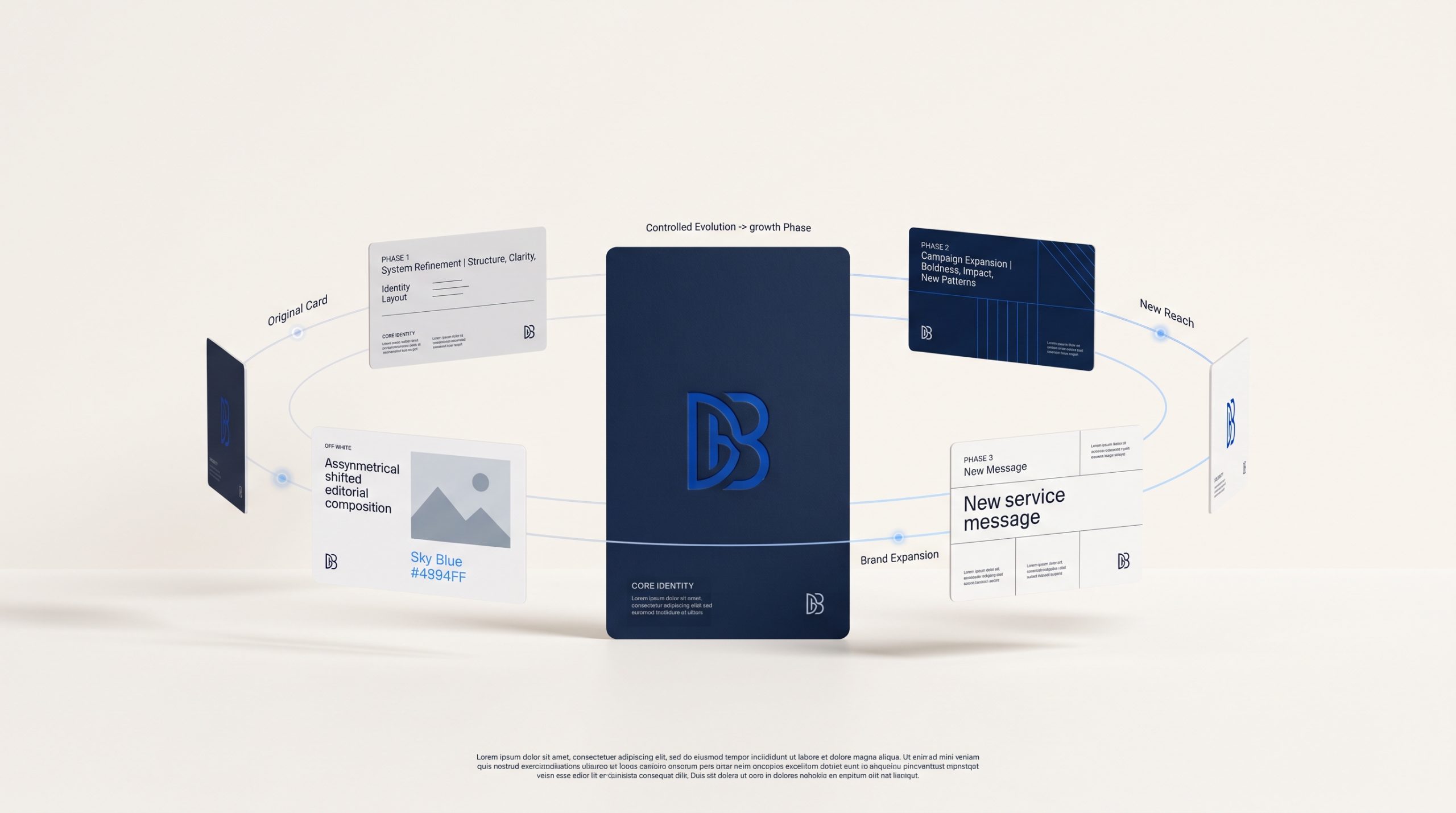
Keep the core cues steady. Then change the parts around them.
A campaign can be bolder. A photo style can shift. A new service may need a fresh message.
The key is to keep enough familiar cues in place. People should still know who is speaking.
A memorable brand can grow. It just should not make people relearn it each year.
A Quick Test: Would People Know Your Brand Without the Logo?
One simple way to test brand recall is to remove the most obvious cue. Look at a post, email, page, or package without the logo. If the color, voice, message, and overall feel still point back to you, your brand system is doing more of the work.
Try the test with your latest material.
Would the same personality come through?
Would the colors feel familiar?
Would the message sound like your business?
Would the experience match your promise?
If not, you may not need a full redesign.
You may need clearer cues and more steady use of what already works.
BSD Perspective
At BSD, we see brand recall as the result of many small choices working together. A logo can start recognition, but it cannot do the whole job. The message, look, content, and customer experience need to keep supporting the same core idea.
A common mistake is trying to make every campaign feel brand new.
Fresh ideas matter. But every piece should not feel like it came from a new company.
A clear system gives you room to create. It keeps the brand steady while the work stays fresh.
That balance helps a business stand out without becoming inconsistent.
Be Easier to Remember, Not Just Harder to Ignore
What makes a brand memorable is not one perfect logo or ad. It is a clear idea supported by strong cues, a clear voice, steady use, the right feeling, and an experience that matches the promise.
Attention is useful. Recognition is stronger.
Be clear about what you stand for.
Use assets people can learn.
Build a voice that feels like you.
Stay consistent.
Create the right feeling.
Match the promise with the real experience.
Then evolve without losing the core.
The goal is simple. Make it easy for people to know when something comes from you.

Related Posts

When Is It Time to Rebrand? 7 Signs Your Business Has Outgrown Its Brand
Your business can grow faster than its brand. Learn seven signs it may be time…

How to Tell a Brand Story People Actually Remember
A strong brand story gives people a reason to care and remember. Learn how to…

Positioning Your Expertise: The Key to Attracting Clients
Positioning your expertise helps potential clients understand your value before…