

When Is It Time to Rebrand? 7 Signs Your Business Has Outgrown Its Brand
When Is It Time to Rebrand?
A business can change a lot in a few years.
You may add new services. Enter a new market. Raise your prices. Hire a bigger team. Serve a different type of client.
But sometimes the brand stays where it started.
That creates a gap. The business has moved forward, but the way it looks and speaks still tells the old story.
A rebrand can close that gap. But it should solve a real business problem. It should not happen just because the logo feels boring.
A strong brand should grow with the business. If you have been working to build a stronger brand, a rebrand may be the next step when the old identity no longer supports where you are going.
So, when is it time to rebrand? Start with these seven signs.
 First, Do You Need a Rebrand or a Brand Refresh?
A brand refresh updates selected parts of your brand, such as colors, type, images, or messaging. A rebrand goes deeper. It may change your positioning, identity, name, or the way the business is presented. The right choice depends on what is no longer working.
If the core brand still fits, a refresh may be enough.
You might modernize the look. Tighten the message. Update old templates. Create clearer brand guidelines.
A full rebrand makes more sense when the problem sits deeper.
Maybe the business serves a new market. Maybe the old name limits growth. Maybe the brand promise no longer matches the company you have become.
Start with the problem. Then decide how much needs to change.
1. Your Business Has Changed, but the Brand Has Not
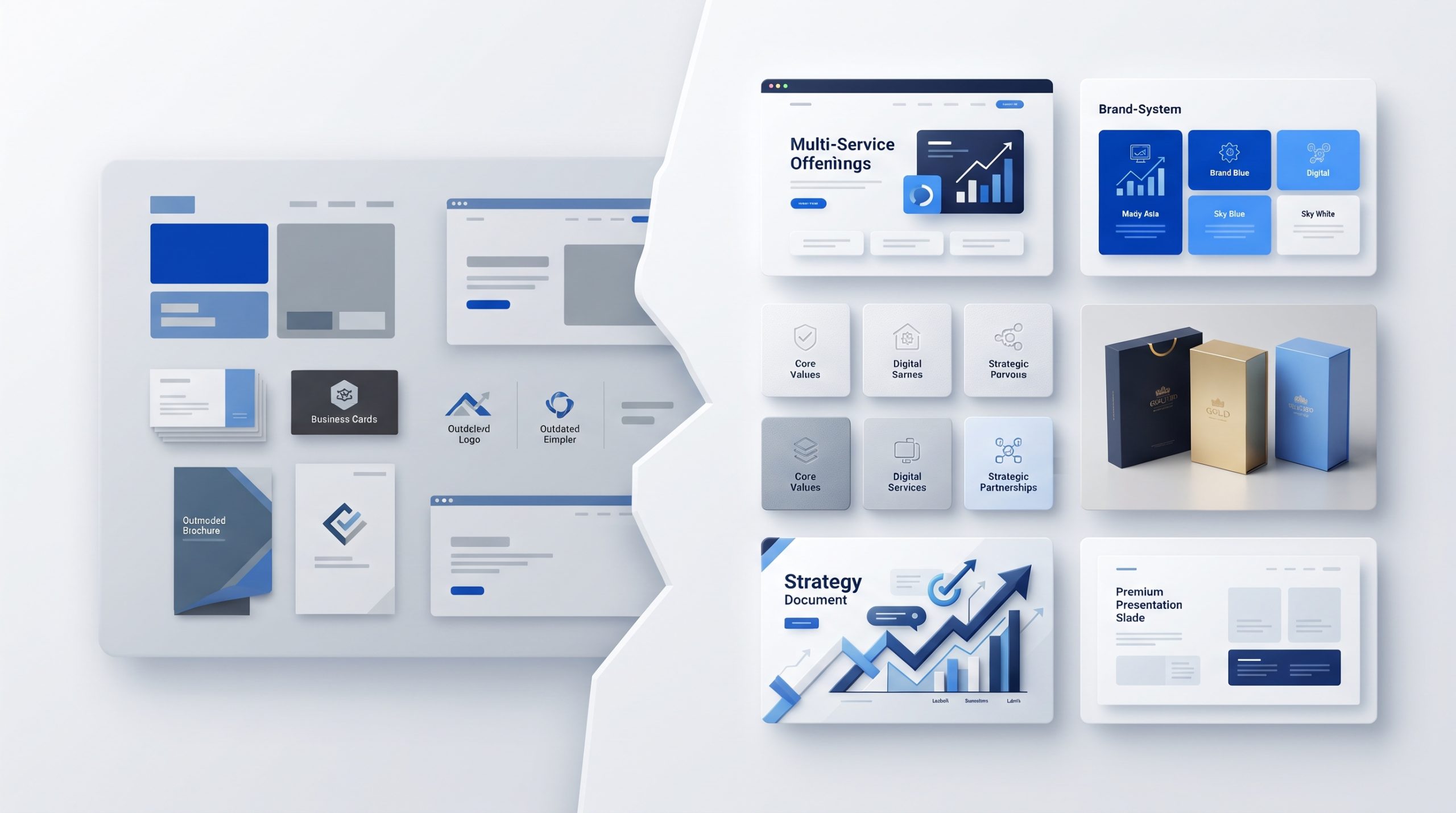
It may be time to rebrand when your services, market, size, or business model have changed but your brand still reflects an older version of the company. Customers should be able to look at your brand today and understand the business you are now.
 This is one of the clearest signs.
A company may start with one service, then grow into a much wider offer. A local business may begin serving clients across the country. A low-cost offer may grow into a premium service.
The old brand may still be familiar. But familiarity is not useful if it gives people the wrong idea.
Look at your homepage, sales deck, social profiles, and proposal.
Do they describe the business you have today?
If not, the brand may be holding on to a past version of the company.
2. You Are Trying to Reach a Different Audience
A rebrand may be needed when the people you want to reach are no longer the same people your current brand was built for. A new audience can have different needs, goals, expectations, and buying habits. Your brand should make the right people feel that you understand them.
Growth often changes the target market.
You may move from small clients to larger firms. You may enter a new age group, region, or industry. You may start selling to businesses instead of consumers.
The old brand may still work for the people who knew you before. But it may not speak clearly to the people you want next.
This is why small business branding should start with a clear view of who you serve. When the audience changes, the message and identity may need to change with it.
Do not redesign first.
Learn what the new audience cares about. Then decide what the brand needs to say, show, and prove.
3. Your Brand Looks Behind the Quality of Your Business
Your brand may need an update when the business has become more capable, polished, or premium, but the visual identity still feels basic or dated. Customers often meet the brand before they meet the team, so the outside should support the quality of what you now deliver.
 This does not mean chasing every design trend.
It means checking whether the brand still feels credible for your current level.
Maybe the logo was made when the business first opened. The website may use old photos. The color system may be hard to use. The sales deck may not match the price you now charge.
A visual gap can create doubt before a customer sees the real quality of the work.
A clear brand identity should support the position you want to hold. If the business has moved up, the identity should not make it look stuck.
4. Customers Do Not Understand What Makes You Different
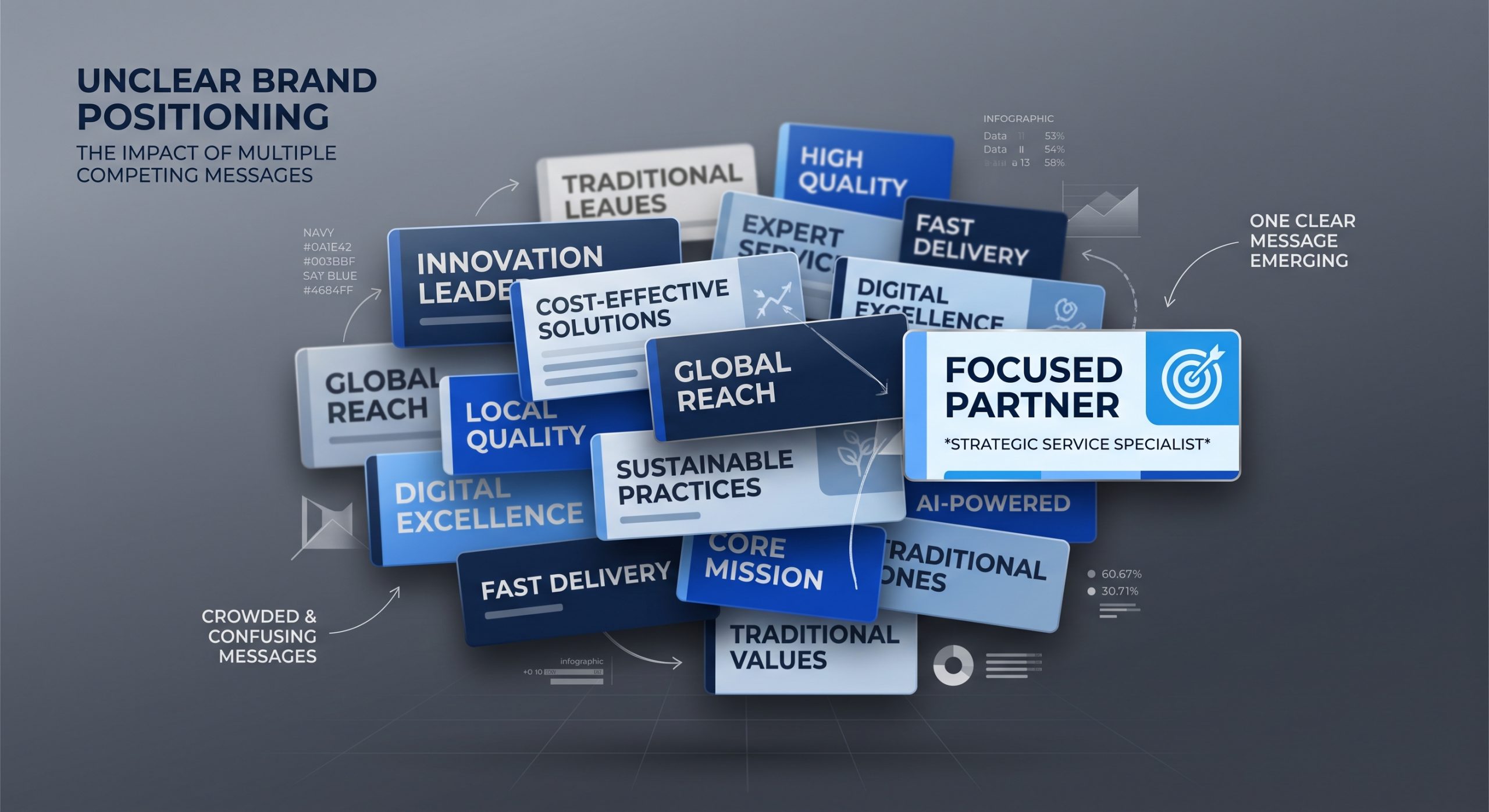
It may be time to rebrand when customers can see what you sell but cannot explain why they should choose you. Strong branding makes your value easier to understand. If your message sounds like every competitor, the problem may be deeper than a new tagline or campaign.
 A brand can look good and still be unclear.
This often happens as a business grows. New services get added. New messages get layered on. Different teams describe the company in different ways.
Soon, the brand says many things but owns none of them.
Ask customers or team members one question:
What are we known for?
If the answers are all different, your positioning may need work.
A rebrand can help bring the business back to one clear idea. That idea should guide the message, visuals, offers, and customer experience.
5. Your Brand Has Become Hard to Keep Consistent
Brand inconsistency can be a sign that the current system no longer fits the business. If teams keep making new versions of the logo, colors, templates, tone, or message, you may need clearer rules. In some cases, the brand itself may need to be rebuilt.
Not every consistency problem needs a rebrand.
Sometimes the fix is simple. Clean up the files. Create better templates. Write clear brand rules. Give the team one source of truth.
A consistent brand is easier to manage when the system is clear and useful.
But if people keep working around the brand because it no longer meets their needs, that is a different signal.
Maybe the palette does not work well online. Maybe the tone feels wrong for the new audience. Maybe the old logo does not fit new products or formats.
When the system creates more problems than it solves, a bigger change may be worth it.
6. You Blend In With Competitors
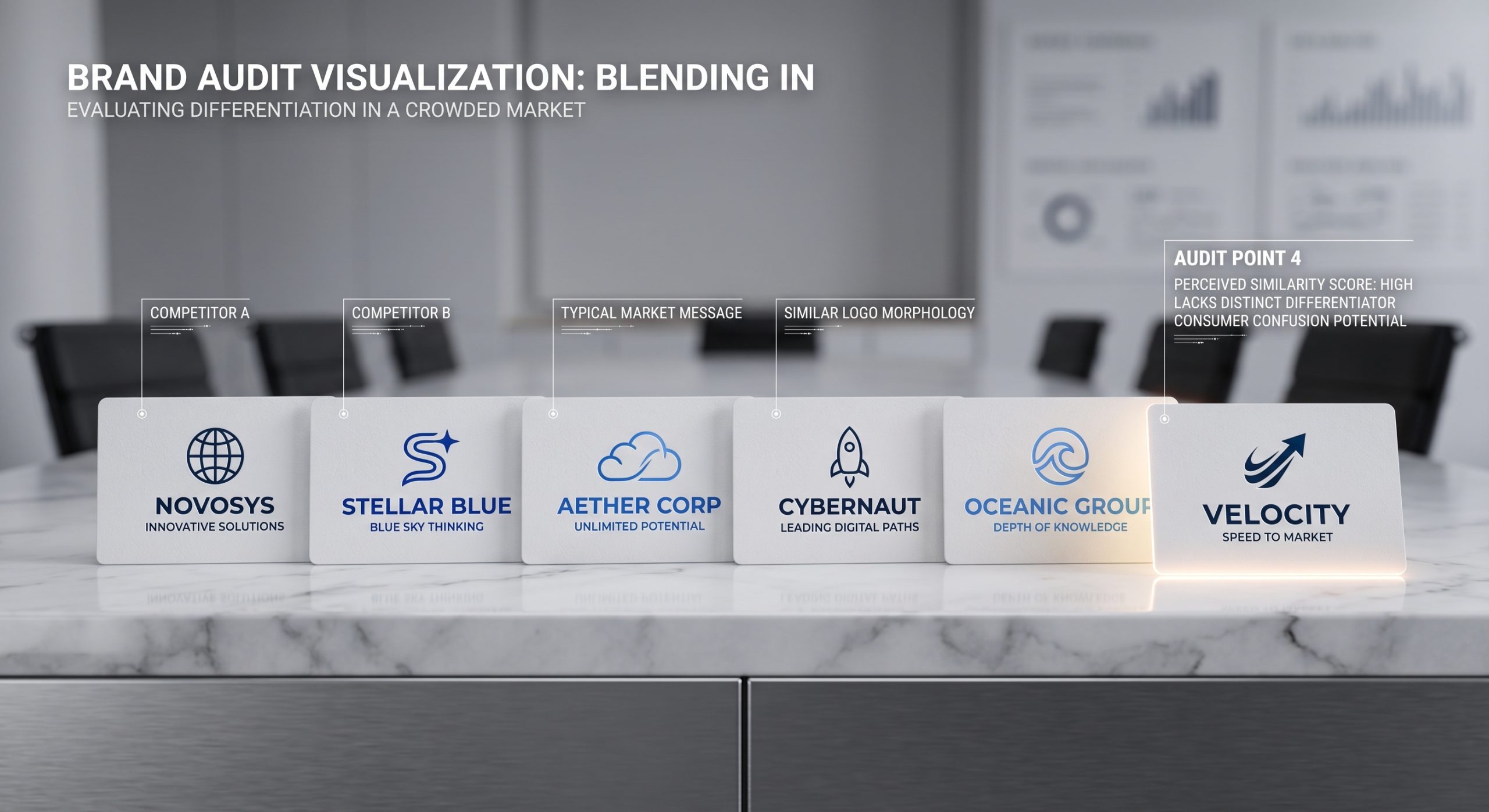
A brand may have outgrown its position when it looks, sounds, and feels too much like everyone else in the market. Customers need clear cues that help them tell one business from another. If your brand is easy to confuse with competitors, it is harder to remember.
 Markets change.
A look that felt fresh five years ago may now be common. A message that once sounded different may now appear on every competitor site.
Do a simple audit.
Place your website, logo, colors, and key message beside five competitors.
What feels clearly yours?
If the answer is very little, the brand may need stronger points of difference.
That does not mean choosing strange colors or a louder logo just to be different.
Good differentiation starts with strategy. The visual identity should make that difference easier to notice.
7. The Brand Is Making Growth Harder
The strongest sign is simple: the brand starts getting in the way. It may limit new offers, confuse buyers, weaken trust, or make sales harder. A brand should support growth. If your team keeps having to explain around it, the problem deserves a closer look.
A weak fit can show up in small ways.
Sales calls spend too much time explaining what the company really does.
New services feel awkward under the current name.
Recruiting feels harder because the brand does not reflect the culture.
Premium pricing feels difficult to defend.
Teams avoid using old assets because they no longer feel right.
One issue alone may not mean you need a rebrand.
But several together can point to the same problem: the business has moved forward, and the brand has not.
Before You Rebrand, Run a Brand Audit
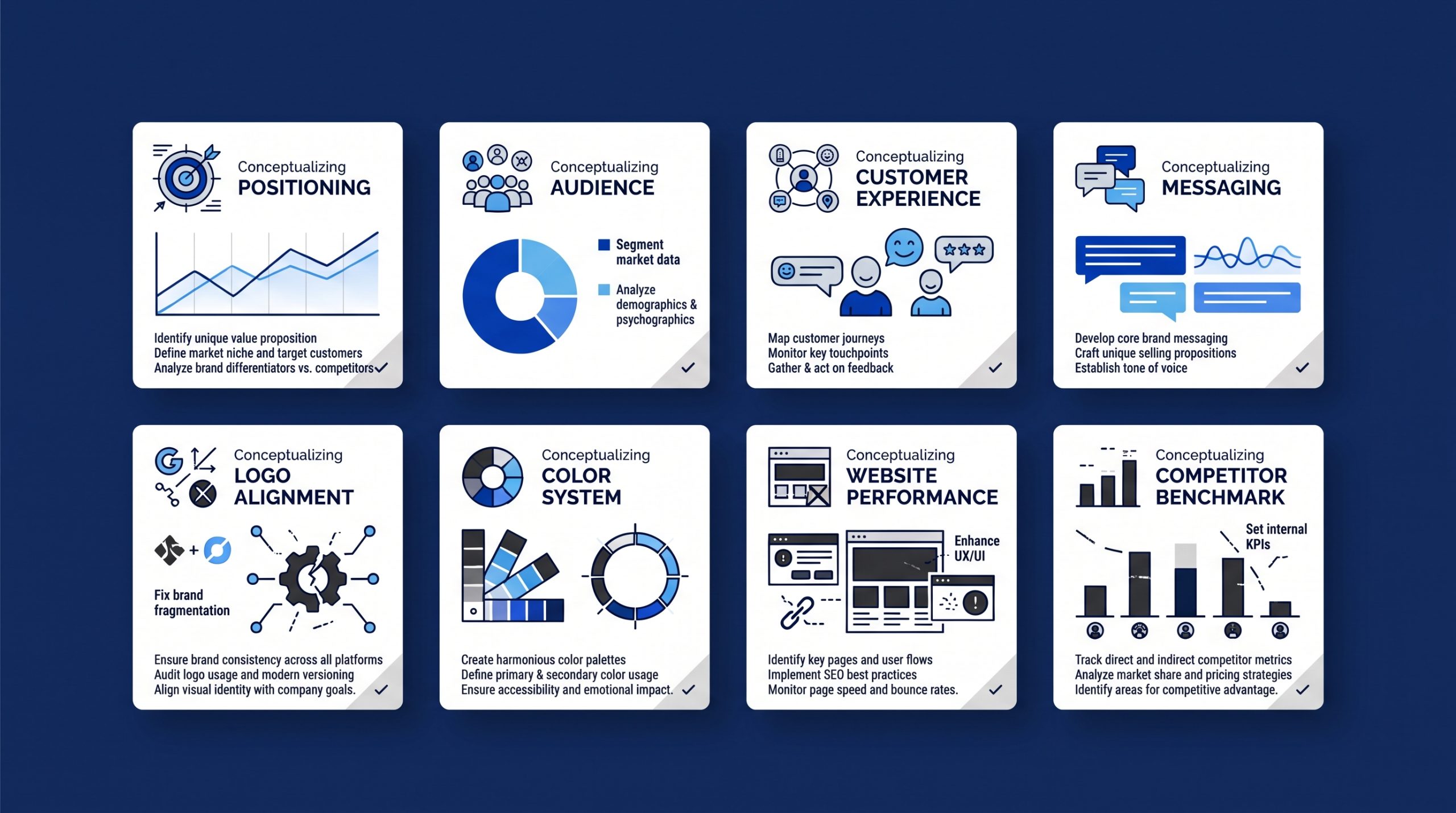
A rebrand should start with evidence, not taste. Review how the brand performs today. Look at customer feedback, sales conversations, competitor changes, website behavior, internal use, and the parts of the identity people still value. Keep what works. Change what blocks growth.
 A brand audit can stop you from changing too much.
List the parts that still have value.
Which colors do customers know? Which phrases still feel true? Which services are linked strongly to the current name? Which parts of the experience already build trust?
Then list the gaps.
What feels outdated? What's confusing? What is hard to use? What no longer supports the next stage of the business?
This helps you see whether you need a refresh or a full rebrand.
It also helps protect the brand value you have already built.
BSD Perspective
At BSD, we see rebranding as a business decision before it becomes a design project. The goal is not to make a company look new for the sake of it. The goal is to make the brand fit the business, audience, and direction more clearly.
A rebrand works best when the reason is clear.
Maybe the business has grown. Maybe the audience has changed. Maybe the old identity no longer reflects the level of work being delivered.
Once the reason is clear, design becomes easier.
You know what needs to stay. You know what needs to change. You can build a system that supports the next stage instead of starting from taste alone.
Rebrand Because the Business Changed, Not Because You Got Bored
When is it time to rebrand? The answer is usually not tied to the age of your logo. It is time to look closer when the brand no longer reflects the business, audience, position, or experience you want to build. That is a strategy problem first.
You may not need a full rebrand.
A refresh may solve the gap.
But if the old identity keeps making growth harder, the cost of doing nothing can become larger than the cost of change.
Start with a brand audit.
Find the real problem.
Protect what still works.
Then change only what the business has truly outgrown.

How to Tell a Brand Story People Actually Remember
How to Tell a Brand Story People Actually Remember
 Every business has a story.
The hard part is knowing which parts are worth telling.
A brand story is not a long company history. It is not a list of milestones either.
It is the clear story behind why your business exists, who it helps, what it believes, and what changed because of the work you do.
Good brand storytelling makes that story easier to understand and easier to remember.
If you want to build a stronger brand, your story should support the same purpose, message, and experience people see everywhere else.
The goal is not to make your business sound dramatic.
The goal is to make it feel human, clear, and true.
What Brand Storytelling Really Means
Brand storytelling is the way a business uses real people, purpose, problems, change, and proof to explain what the brand stands for. A strong story gives customers context. It helps them understand why the business exists and why its work should matter to them.
Your story can include how the business started.
But the starting point is only one part of it.
The stronger question is: what belief or problem has stayed important as the business grew?
Maybe you started because customers were being ignored.
Maybe an industry process felt harder than it needed to be.
Maybe you saw a better way to deliver a service.
That idea can become the thread that connects your past, present, and future.
Research on narrative transportation helps explain why stories can be useful in marketing. A review looked at 95 peer-reviewed studies. It found that being drawn into a story can shape how people respond to marketing messages.
That does not mean every brand needs a dramatic plot.
It means a clear story can give facts more meaning.
Start With the Truth Behind the Business
The best brand stories begin with something real. Start with the reason the business exists, the problem you wanted to solve, or the belief that shaped your approach. A true starting point is easier to explain and easier to support with real actions.
 Do not begin by asking, "How can we make this sound impressive?"
Ask, "What is actually true about us?"
Think about the early choices that still matter today.
Why did you choose this work?
What frustrated you about the old way?
What did you want customers to experience instead?
The answer does not need to be heroic.
Simple stories can be strong when they are specific.
A founder may have started a company after seeing clients struggle with slow service. A family business may have grown around one promise: make the process easier to understand.
Those ideas should also connect with your brand identity. The story, visuals, voice, and values should point in the same direction.
If the story says one thing and the brand feels like another, people may not know what to believe.
Make the Customer Part of the Story
Your business can start the story, but the customer should have a clear place in it. Show the problem they face, the change they want, and how your business helps them move forward. This keeps the story useful instead of making it only about the company.
Many brand stories focus too much on the founder.
We started here. We won this. We grew this much.
Those facts can matter. But customers are usually asking a different question.
"What does this mean for me?"
A useful brand story connects your reason for existing with the change the customer wants.
For example, a design studio may have started because too many good businesses looked unclear online.
The customer story is the other half.
A growing business wants to look as strong as the work it already delivers.
Now the story has a problem, a person, and a reason to care.
Current storytelling guidance from HubSpot also recommends making the customer the main character while the brand acts as a guide.
That shift can make the story feel more relevant and less self-focused.
Give the Story a Clear Before and After
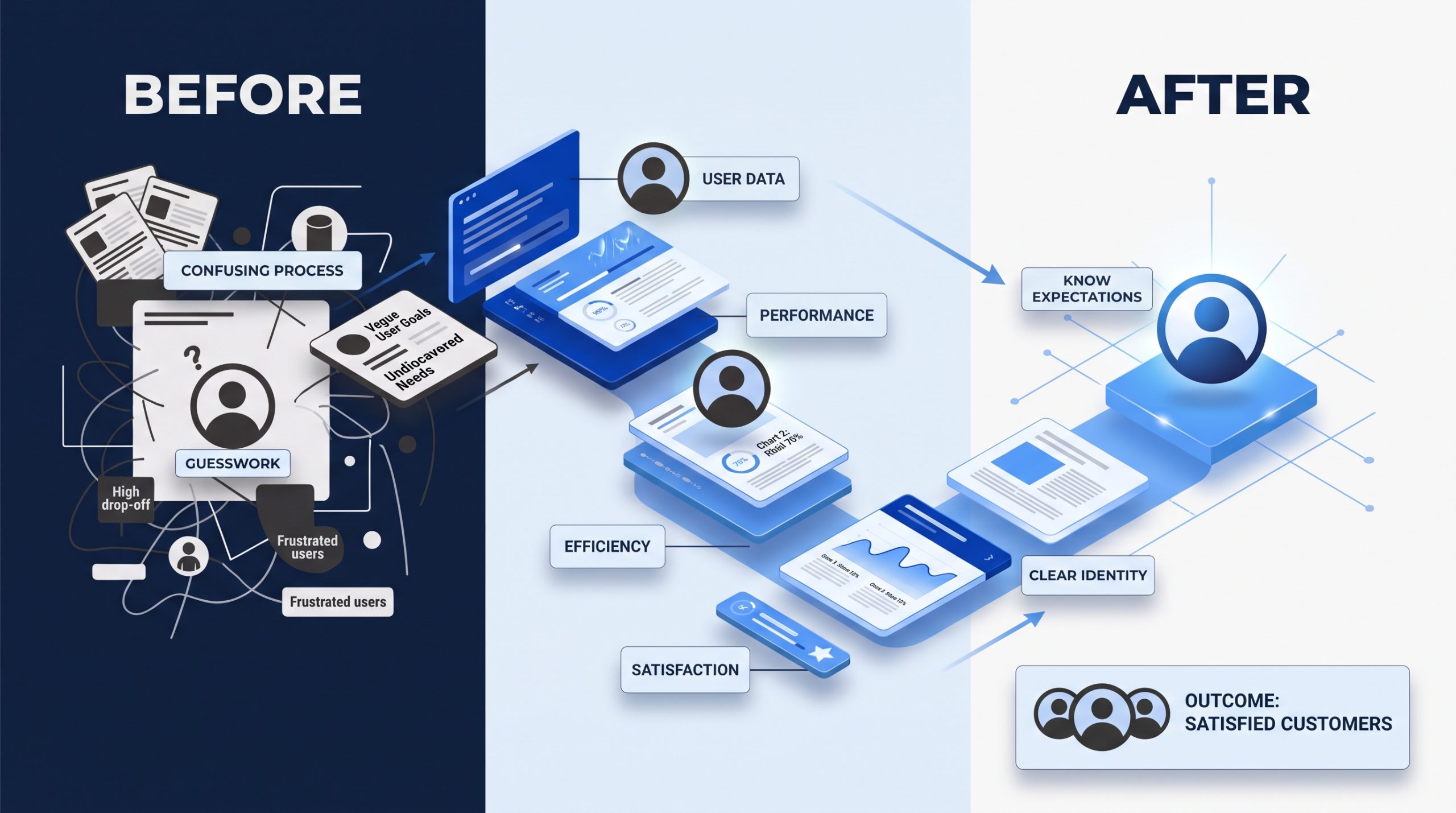
Stories become easier to follow when something changes. Show what the customer, business, or industry looked like before. Then show what became possible after a better choice, new idea, or different approach. The change gives the story shape and makes the value easier to see.
 You do not need to force drama.
You only need a clear contrast.
Before, the process was confusing. Now it feels simple.
Before, the brand looked like everyone else. Now it has a clear identity.
Before, customers had to guess. Now they know what to expect.
This is where proof matters.
Use real examples, customer stories, process details, results, or lessons.
A claim like "we care about customers" is easy to say.
A story about changing your process because customers kept facing the same problem is much stronger.
Specific details make the message easier to picture.
They also give the story something people can believe.
Use a Voice That Sounds Like the Brand
A strong brand story should sound like the same business people meet everywhere else. Keep the tone clear and natural. Use the words your team would really use. A story loses trust when it feels too polished, too dramatic, or far removed from the real brand.
Brand voice matters because the story is not only about what you say.
It is also about how you say it.
A premium firm may sound calm and precise.
A youth brand may sound lively and direct.
A technical company may still be clear without sounding cold.
Do not add emotion just to make the copy feel more like a story.
Let the real details carry the feeling.
A good rule is simple.
If the story would sound strange when spoken by someone on your team, rewrite it.
The goal is not perfect prose.
It is a voice people can connect with and recognize.
Repeat One Core Story Across Different Touchpoints
Your brand story should stay consistent even when the format changes. A website may tell the full version. Social media may share one moment. A case study may show proof. An email may focus on one lesson. Each piece should still support the same core idea.
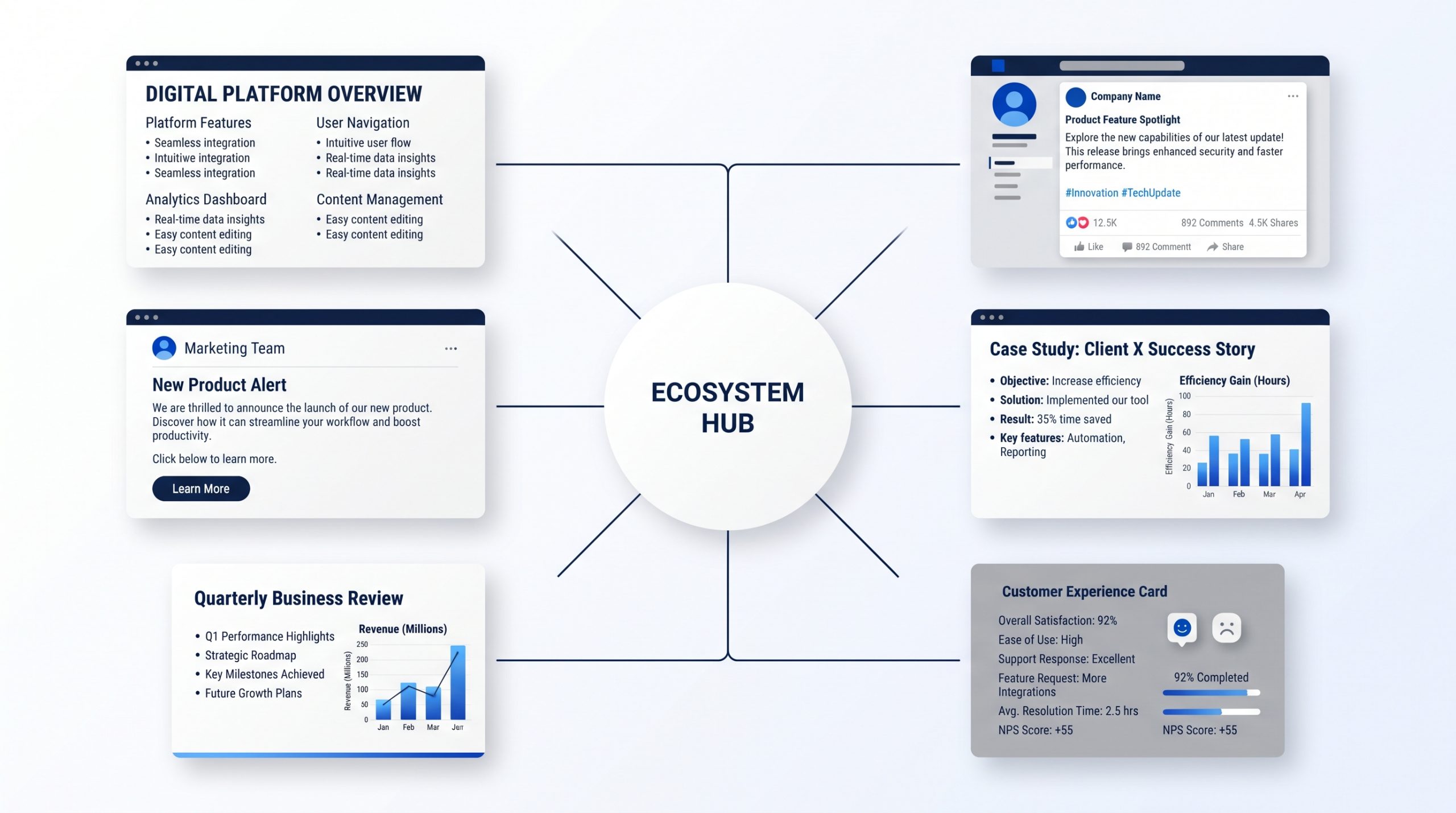 This is where brand consistency matters. A story becomes easier to remember when people meet the same values, message, and personality across different channels.
You do not need to copy the same paragraph everywhere.
Instead, give each channel a job.
Your About page can explain the full story.
Your homepage can show the main promise.
Social posts can share lessons, people, or moments from the story.
Case studies can show the change in real life.
Your website design can bring those pieces together through copy, visuals, structure, and customer proof.
The format can change.
The meaning should not.
Let the Story Grow Without Losing the Core
Your brand story can change as the business grows. New services, markets, people, and lessons can add new chapters. The core idea should stay clear. This helps the brand feel current without making customers relearn what the business stands for.
A company story should not be frozen in the year it started.
The business may be very different now.
That is fine.
Keep the parts that still explain who you are.
Add the moments that show how the business has grown.
You may have new client stories.
You may have learned a better way to solve the problem.
You may have expanded the mission.
The story should reflect that change.
But do not rewrite the brand every time something new happens.
Think of the core story as the thread.
The details can grow around it.
A Simple Brand Story Framework
If your business story feels too broad, reduce it to four parts: the problem you saw, the belief that guided you, the change you help create, and the proof that shows the story is true. This gives your team a simple base for future content.
Try finishing these four lines:
We saw...
We believed...
So we built...
Now our customers can...
Then add proof.
That proof can come from customer feedback, case studies, real results, team habits, or the way your process works.
This simple version can become the base for your About page, sales deck, social content, and company introduction.
It does not need to tell every detail.
It only needs to make the most important idea clear.
BSD Perspective
At BSD, we see brand storytelling as a way to make strategy easier to understand. The story should explain the thinking behind the brand, not cover weak positioning with better words. When the business, message, identity, and customer experience support the same idea, the story feels more believable.
A business often has more story than it realizes.
It shows up in why the founders started.
It shows up in the problems the team refuses to ignore.
It shows up in how clients are treated and how decisions are made.
The work is not to invent a better story.
The work is to find the real one, make it clear, and tell it with enough consistency that people remember it.
Tell the Story People Need to Remember
Brand storytelling works best when it turns a real business story into one clear idea people can carry with them. Start with truth. Make the customer part of it. Show change. Use proof. Keep the voice natural. Then repeat the same core story across the brand.
Your business story does not need to sound like a movie.
It needs to sound like you.
Choose the parts that explain why the business matters.
Connect them to the people you serve.
Then make sure the experience supports what the story says.
That is how a business story becomes part of a brand.
And that is how a brand becomes easier to remember.

What Makes a Brand Memorable? 7 Elements That Help You Stand Out
Some brands are easy to spot before you see the name.
A color can do it. A shape can do it too. Even a certain tone can bring one brand to mind.
That kind of recall is not luck.
A memorable brand gives people clear cues. It repeats them often enough to feel familiar. It also gives those cues a clear meaning.
If you want to build a stronger brand, you do not need to be louder than everyone else. You need to be easier to know and remember.
So, what makes a brand memorable? These seven elements matter most.
1. Clear Positioning Gives People One Strong Idea
A memorable brand is clear about who it helps and why it matters. People should not have to work hard to understand your value. Give them one strong idea they can link to your name. That idea becomes the base for your message, visuals, and content.
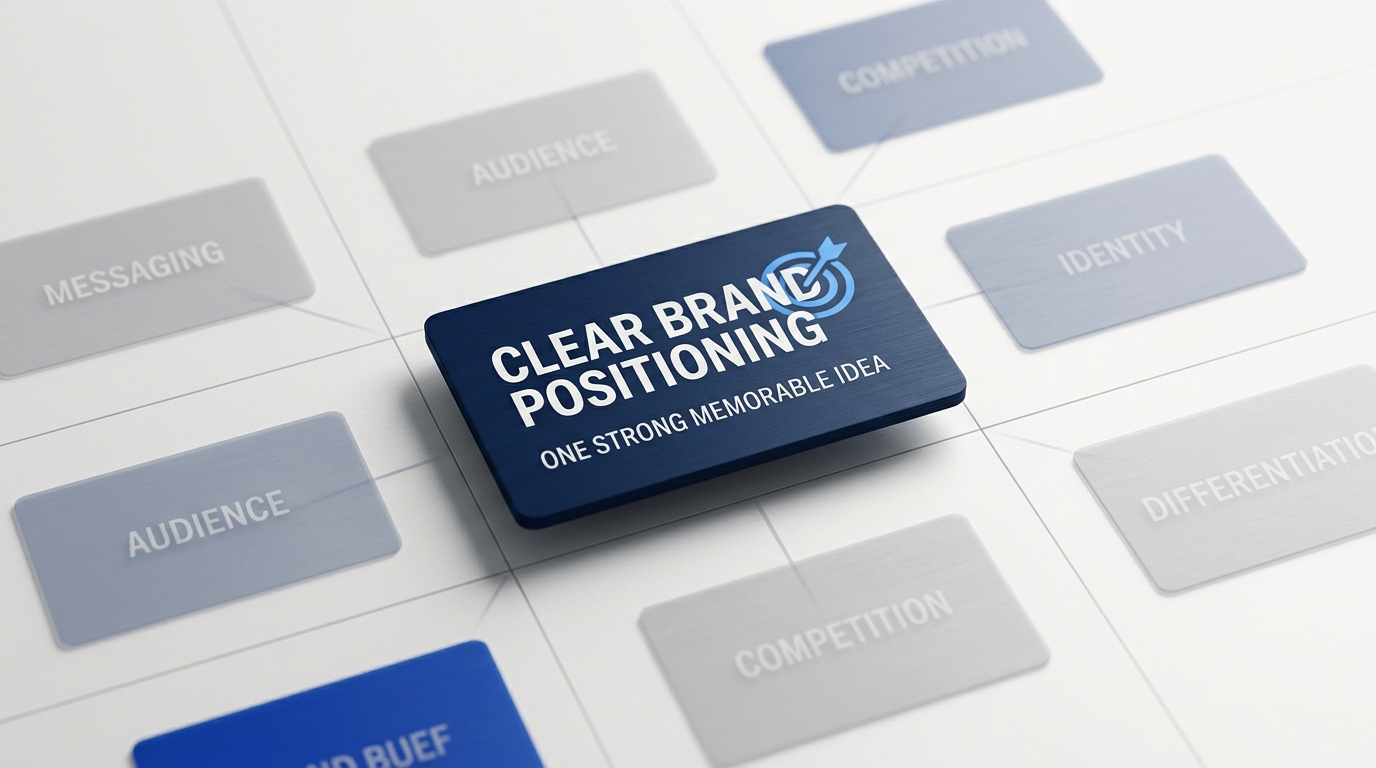
Start with a simple question.
What should a person remember after a short visit to your site?
Maybe you make a hard service feel simple. Maybe you are known for care, speed, or deep skill. Maybe you serve one group better than most.
A smaller business does not need to say everything. It needs to make the right thing clear.
Clear positioning also helps the rest of the brand stay focused. It guides your message, offers, visual choices, and content.
2. Distinctive Brand Assets Make You Easier to Spot
Brand assets are the cues people link to your business. Your logo is one. Your colors, type, shapes, icons, photo style, or even a sound can help too. The best assets make your brand easier to spot before a person reads every word.
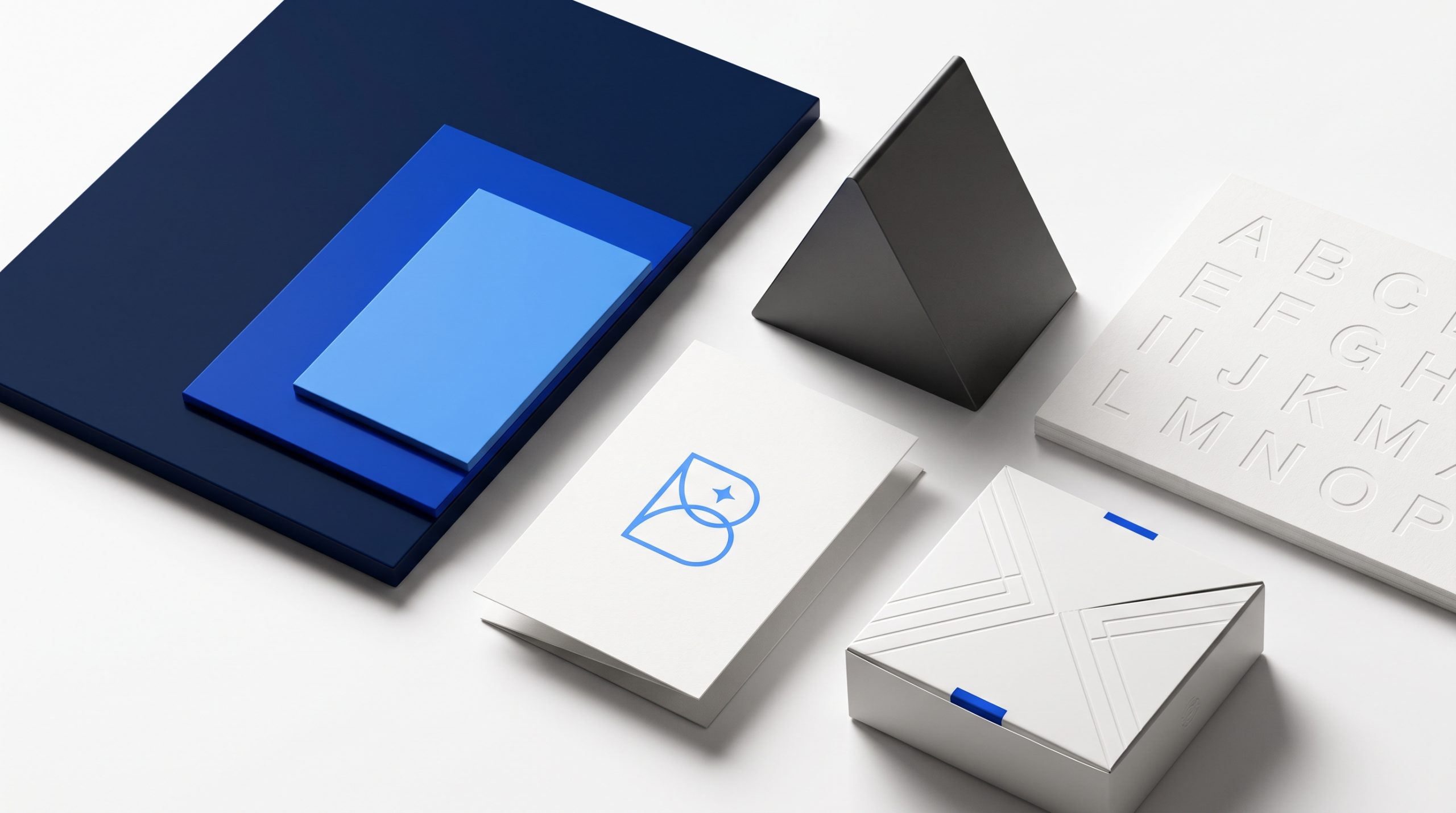 The goal is not to use more design. The goal is to own a few cues clearly.
A blue brand is not distinct just because it uses blue. Many brands may use the same color.
What matters is how the color works with the rest of the system.
A strong brand identity brings these pieces together. It gives each cue a clear job. Over time, people learn to link those cues to your business.
Ipsos has studied how distinctive assets help brands get noticed and recalled. The lesson is simple. Strong cues work best when people can link them to one brand.
Try a quick test.
Hide the logo from one of your posts. Would anything else still point back to your brand?
If the answer is yes, your other brand assets are doing useful work.
3. A Clear Brand Voice Adds Personality
People remember how a brand sounds as well as how it looks. A clear voice makes your message feel more human. It also helps your website, social posts, emails, and sales material feel like they come from the same business.
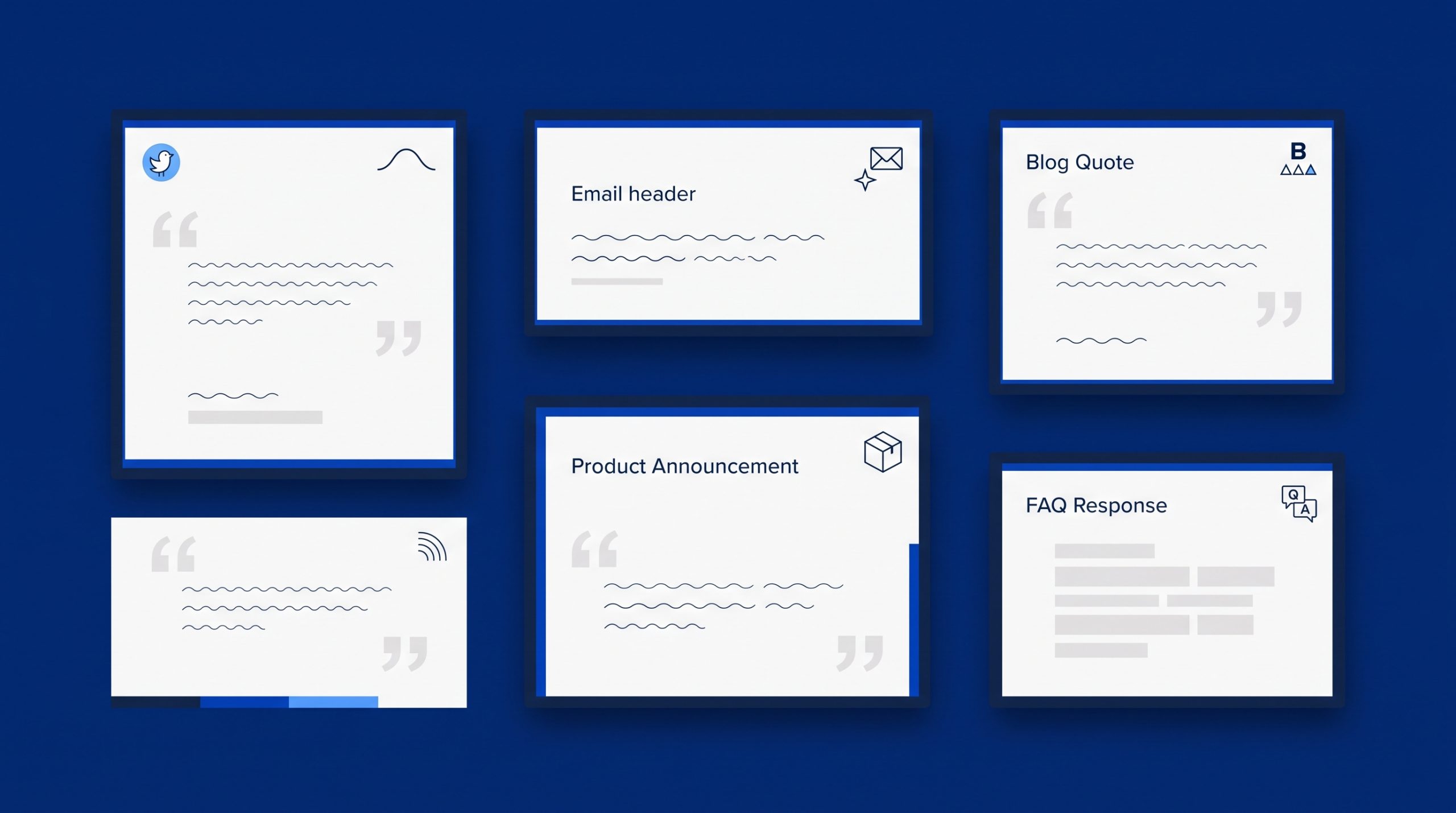
One brand may sound warm and helpful. Another may sound sharp and expert. A third may sound fun and direct.
None of these is always better. The best voice fits your brand and your audience.
The problem starts when the voice changes all the time.
A calm website and random social posts can feel like two brands. So can formal emails and very casual sales pages.
You do not need clever lines in every post.
You need a clear way of speaking that people can know as yours.
4. Consistency Helps the Brand Stick
People remember what they see and hear more than once. That is why brand consistency matters. The same core colors, tone, message, and visual cues should show up again and again. They can change by format, but they should still feel linked.
A strong campaign may get attention once.
A strong brand links one moment to the next.
Your site, social posts, emails, proposals, and service should feel related. They do not need to look the same. They do need to feel like the same business.
Your website design may use more space and detail than a social post. That is fine. Keep the same core colors, tone, style, and message.
The same rule applies to your social media strategy. Formats can change. The brand should still be easy to spot.
Kantar often describes brand cues as mental shortcuts. Repeated use helps people link those cues to your brand.
So do not change your best cues just because you are tired of them.
You see your brand every day. Your audience does not.
5. Emotion Gives People a Reason to Care
A brand can be easy to spot and still be easy to forget. People also need a reason to care. That reason is often a feeling. It may be trust, joy, calm, pride, ease, or confidence.
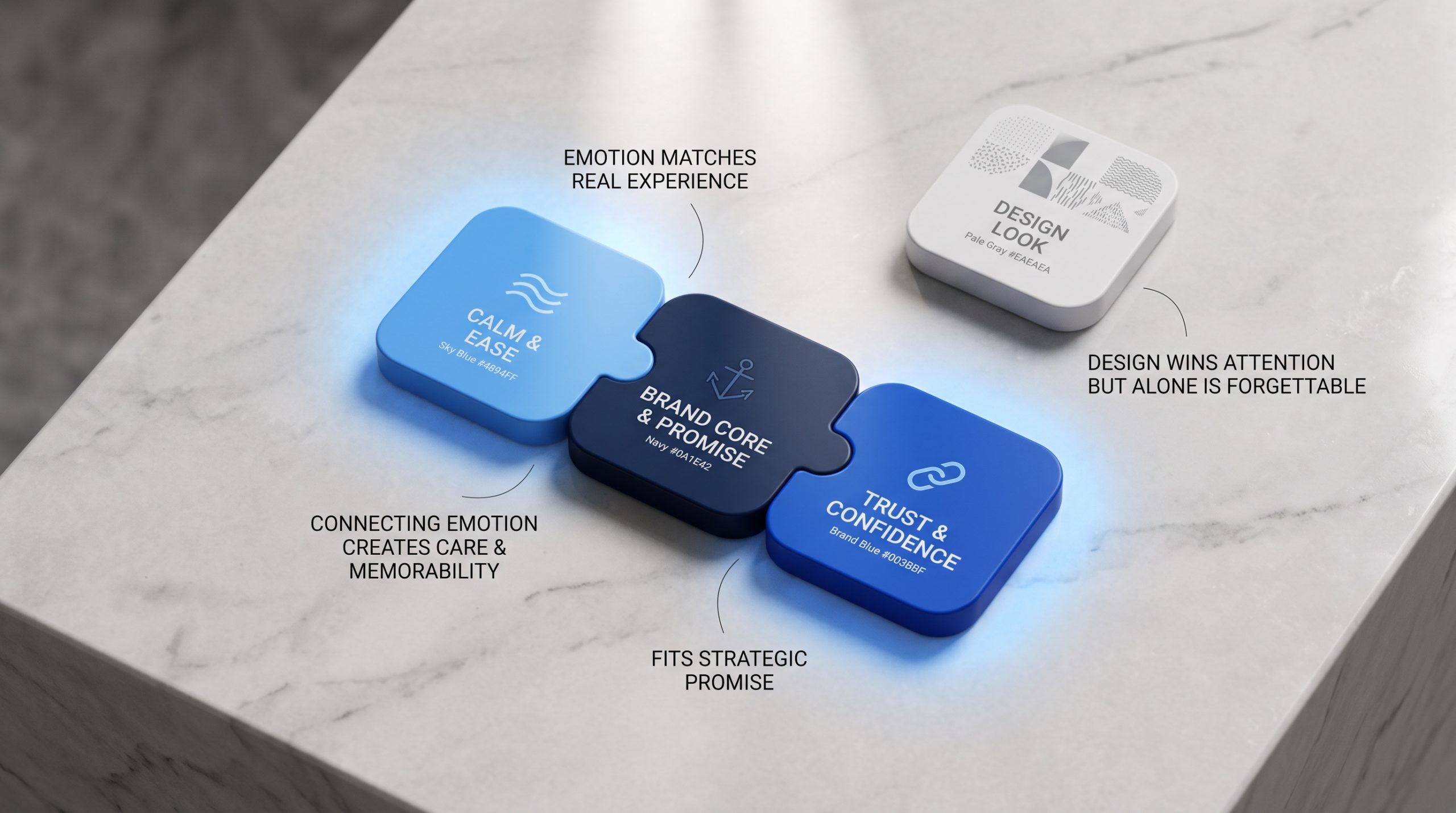 The feeling does not need to be dramatic.
A finance brand may want people to feel safe. A kids brand may want them to feel joy. A service firm may want clients to feel calm and sure.
The emotion should fit the promise. It should also match the real experience.
This is why good branding is more than design.
A strong look can win attention. A clear feeling can help the brand stay in mind.
6. The Experience Must Match the Promise
Your brand makes a promise before a customer buys. The real experience needs to support it. If you say your service is simple, helpful, premium, or fast, customers should feel that when they deal with you.
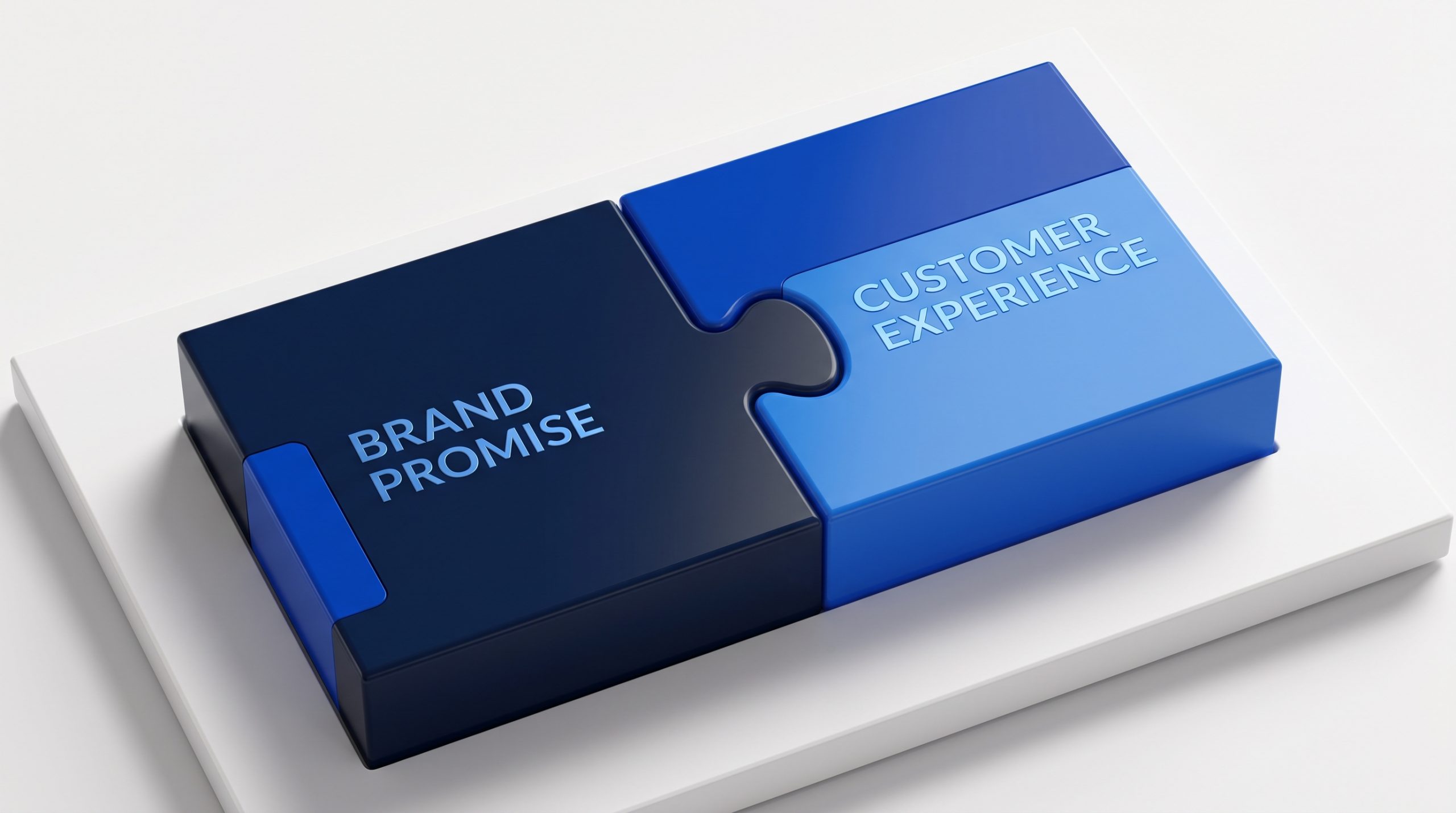
If you say your service is simple, the process should feel simple.
If you say you are helpful, replies should feel helpful.
If you look premium, the service should feel polished too.
A gap between the promise and the experience can hurt trust. It can also leave the wrong memory.
Think about the full path. Check the website, buying steps, replies, service, and follow-up.
Qualtrics treats brand experience as the sum of what people notice and feel across their contact with a business. That matters because every small moment can support or weaken the brand.
Ask two questions.
Does this look like our brand?
Does this feel like our brand?
When both answers are yes, the brand feels more real.
7. Repeat the Core, Then Let the Brand Evolve
Memorable brands repeat their best cues for a long time. That is how people learn them. Still, a brand should not feel frozen. You can try new ideas without changing the whole identity each time a trend appears.
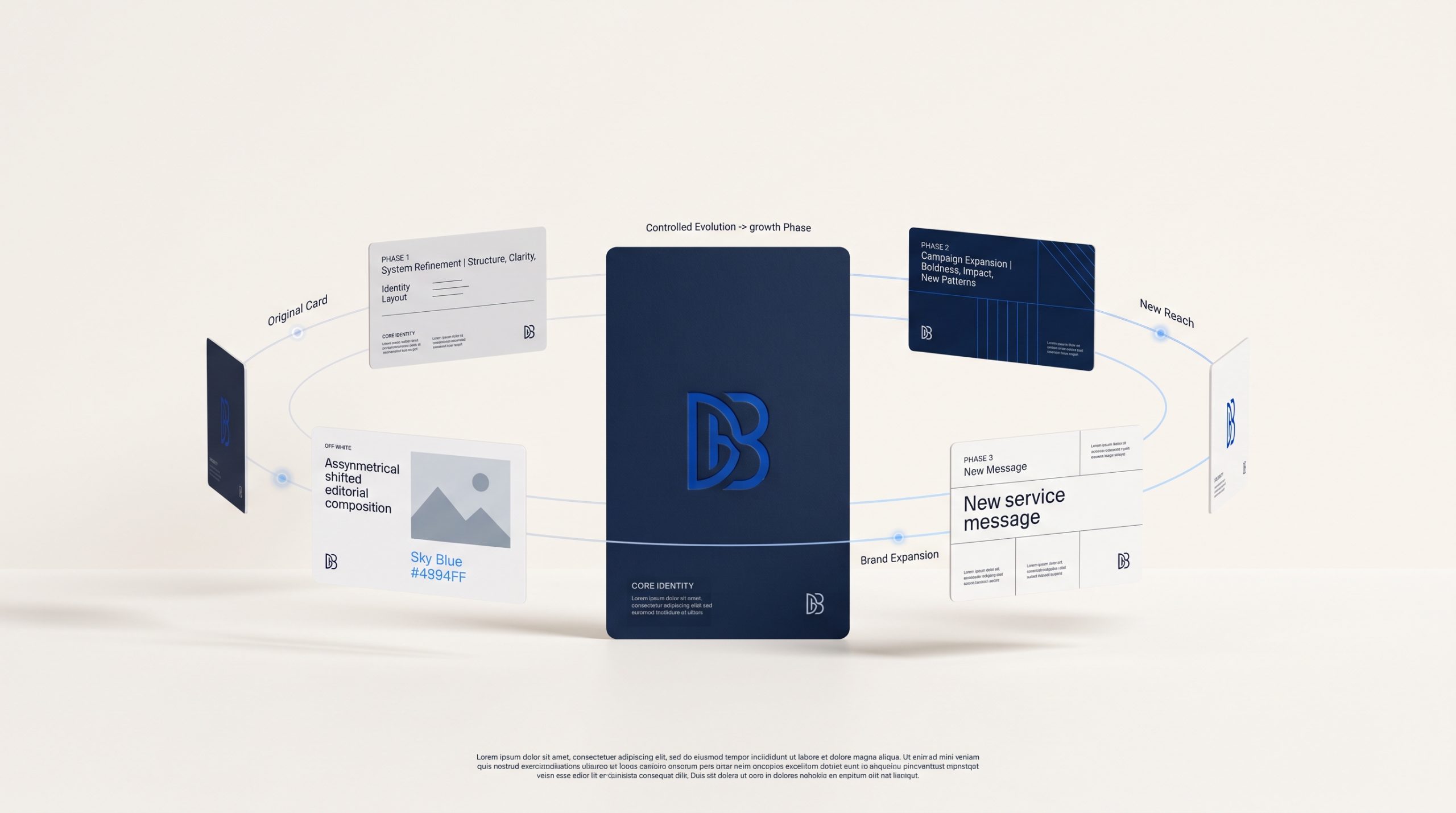
Keep the core cues steady. Then change the parts around them.
A campaign can be bolder. A photo style can shift. A new service may need a fresh message.
The key is to keep enough familiar cues in place. People should still know who is speaking.
A memorable brand can grow. It just should not make people relearn it each year.
A Quick Test: Would People Know Your Brand Without the Logo?
One simple way to test brand recall is to remove the most obvious cue. Look at a post, email, page, or package without the logo. If the color, voice, message, and overall feel still point back to you, your brand system is doing more of the work.
Try the test with your latest material.
Would the same personality come through?
Would the colors feel familiar?
Would the message sound like your business?
Would the experience match your promise?
If not, you may not need a full redesign.
You may need clearer cues and more steady use of what already works.
BSD Perspective
At BSD, we see brand recall as the result of many small choices working together. A logo can start recognition, but it cannot do the whole job. The message, look, content, and customer experience need to keep supporting the same core idea.
A common mistake is trying to make every campaign feel brand new.
Fresh ideas matter. But every piece should not feel like it came from a new company.
A clear system gives you room to create. It keeps the brand steady while the work stays fresh.
That balance helps a business stand out without becoming inconsistent.
Be Easier to Remember, Not Just Harder to Ignore
What makes a brand memorable is not one perfect logo or ad. It is a clear idea supported by strong cues, a clear voice, steady use, the right feeling, and an experience that matches the promise.
Attention is useful. Recognition is stronger.
Be clear about what you stand for.
Use assets people can learn.
Build a voice that feels like you.
Stay consistent.
Create the right feeling.
Match the promise with the real experience.
Then evolve without losing the core.
The goal is simple. Make it easy for people to know when something comes from you.

Positioning Your Expertise: The Key to Attracting Clients
Every business has competitors.
Some compete on price. Others compete on convenience. The businesses that stand out often compete on something harder to copy: expertise.
Think about the last time you hired a service provider. You probably did not choose on price alone. You looked for someone who understood the problem, explained the process clearly, and made you feel confident in the next step.
That's what positioning your expertise does. It helps potential clients see your business as a trusted authority instead of just another option in the market.
If you are building a stronger brand, expertise is one of the most valuable things you can make visible. When people can see how you think, explain, and solve problems, trust can start before the first conversation.

Why Expertise Is Your Biggest Competitive Advantage
Positioning your expertise helps customers see the value behind your services before they ever contact you. When people recognize your knowledge and experience, they are more likely to trust your business and choose you over competitors.
Imagine two businesses offering the same service.
The first simply lists what they do and asks visitors to request a quote.
The second explains the process, answers common questions, shares practical advice, and demonstrates a deep understanding of customer challenges.
Which business would you trust more?
People often trust businesses that teach, explain, and answer questions instead of only advertising.
Expertise reduces uncertainty. It gives potential clients confidence that they're making the right decision before they even reach out.
That matters even more when customers are making a large purchase or a long-term decision.
Expertise Is More Than Years of Experience
Experience matters. But expertise is shown through clear advice, problem-solving, and the ability to make hard topics easier to understand. Customers do not only want years of experience. They want confidence.
Many businesses proudly say they've been operating for 20 years.
That's impressive.
But customers also want to know what those 20 years have taught you.
Consider the difference.
| Experience | Expertise |
| Years in business | Explains why decisions matter |
| Completed projects | Shares lessons learned |
| Technical skills | Makes complex topics easy to understand |
| Portfolio | Educates customers before they buy |
Experience tells people you've done the work.
Expertise shows them why they should trust you to do it again.
The businesses that consistently attract quality clients are often the ones willing to share what they know instead of keeping it behind closed doors.
Show Your Expertise Before the First Conversation
Your expertise should be visible long before a sales meeting. Educational content, helpful resources, and clear communication allow potential clients to experience your knowledge before becoming customers.
Today's buyers research before they buy.
They read blogs.
Watch videos.
Compare websites and how clearly each business explains its value.
Browse LinkedIn.
Read reviews.
Every piece of content becomes an opportunity to answer questions and build trust.
Imagine you're looking for a construction company.
One website says:
"We build quality homes."
Another explains budgeting, project timelines, common construction mistakes, and what homeowners should ask before hiring a contractor.
The second business immediately feels more trustworthy because it demonstrates expertise instead of simply claiming it.
Helpful content also works long after it's published. A blog, guide, or FAQ can continue answering customer questions for months or even years.
That's why businesses that invest in educational content often build stronger relationships before the first conversation ever happens.
Position Yourself for the Clients You Want
Trying to appeal to everyone can weaken your message. Focus your expertise on a clear audience or problem. This makes it easier to attract clients who are a better fit.

One of the biggest mistakes businesses make is being too broad.
Instead of saying:
We provide marketing services.
Consider saying:
We help professional service businesses generate qualified leads through strategic digital marketing.
The second statement immediately tells people:
- Who you help
- What problem you solve
- Why your expertise matters
Clear positioning makes it easier for ideal clients to recognize that your business is right for them.
It also makes your marketing more focused because every piece of content reinforces the same message.
Clear positioning starts with a strong brand identity. When your audience, value, and message are clear, it becomes much easier to show why your expertise is different.
Consistency Reinforces Your Expertise
Expertise becomes more believable when your messaging stays consistent across every customer touchpoint. A clear and recognizable brand builds familiarity, and familiarity strengthens trust.
Imagine reading insightful articles on a company's website only to find outdated information on its social media pages.
The inconsistency creates doubt.
Your expertise should be reflected everywhere customers interact with your business.
That includes your website, email, presentations, and social media. Each channel can use a different format, but the level of clarity and professionalism should stay consistent.
That includes your:
| Customer Touchpoint | Opportunity to Demonstrate Expertise |
| Website | Educational content and clear messaging |
| Blog | Helpful articles and industry insights |
| Social media | Practical tips and consistent communication |
| Email newsletters | Valuable updates and advice |
| Client presentations | Clear recommendations and solutions |
When every interaction communicates the same level of professionalism, customers begin to associate your business with credibility.
A consistent brand makes your expertise easier to recognize across every touchpoint. The visuals, tone, and message can change by platform, but the business behind them should still feel the same.
BSD Perspective
One thing we've noticed while working with growing businesses is that a lack of expertise is rarely the problem.
Visibility is.
Many businesses have years of knowledge, valuable experience, and proven results. The challenge is that none of it is clearly reflected in their branding, website, or content.
Potential clients can't appreciate expertise they never see.
Positioning your expertise means making your knowledge visible through clear messaging, educational content, and a consistent brand identity that reflects the value your business provides.
Final Thoughts
Positioning your expertise isn't about proving you're the smartest business in the room.
It's about helping people feel confident that you understand their challenges and can guide them toward the right solution.
Every article you publish, every question you answer, and every interaction you have contributes to how people perceive your business.
Over time, those consistent actions build credibility, strengthen trust, and attract clients who value your expertise instead of simply comparing prices.
When your knowledge becomes part of your brand, attracting the right clients becomes much easier.

How to Select the Perfect Color for Your Brand
Learn Colour Psychology: How to Select the Perfect Color for Your Brand
Why do some brands feel calm, bold, playful, or premium before you read a single word?
Color often plays a part.
People notice visual cues fast. Your palette can shape a first impression before someone reads your headline, checks your services, or learns your story.
Still, color is not a shortcut to trust. A blue logo does not make a business reliable. A black palette does not make a brand premium.
The real value of brand colour psychology is using color with purpose.
Color works best when it supports the bigger picture. To build a stronger brand, your palette should work with your purpose, message, personality, and customer experience.
Why Brand Colour Psychology Matters
Brand colour psychology looks at how color can shape feelings and expectations. It can help a business choose a palette that supports its personality and message. Color does not control what people think, but it can make the right first impression easier to understand and remember.
People often connect colors with certain ideas.
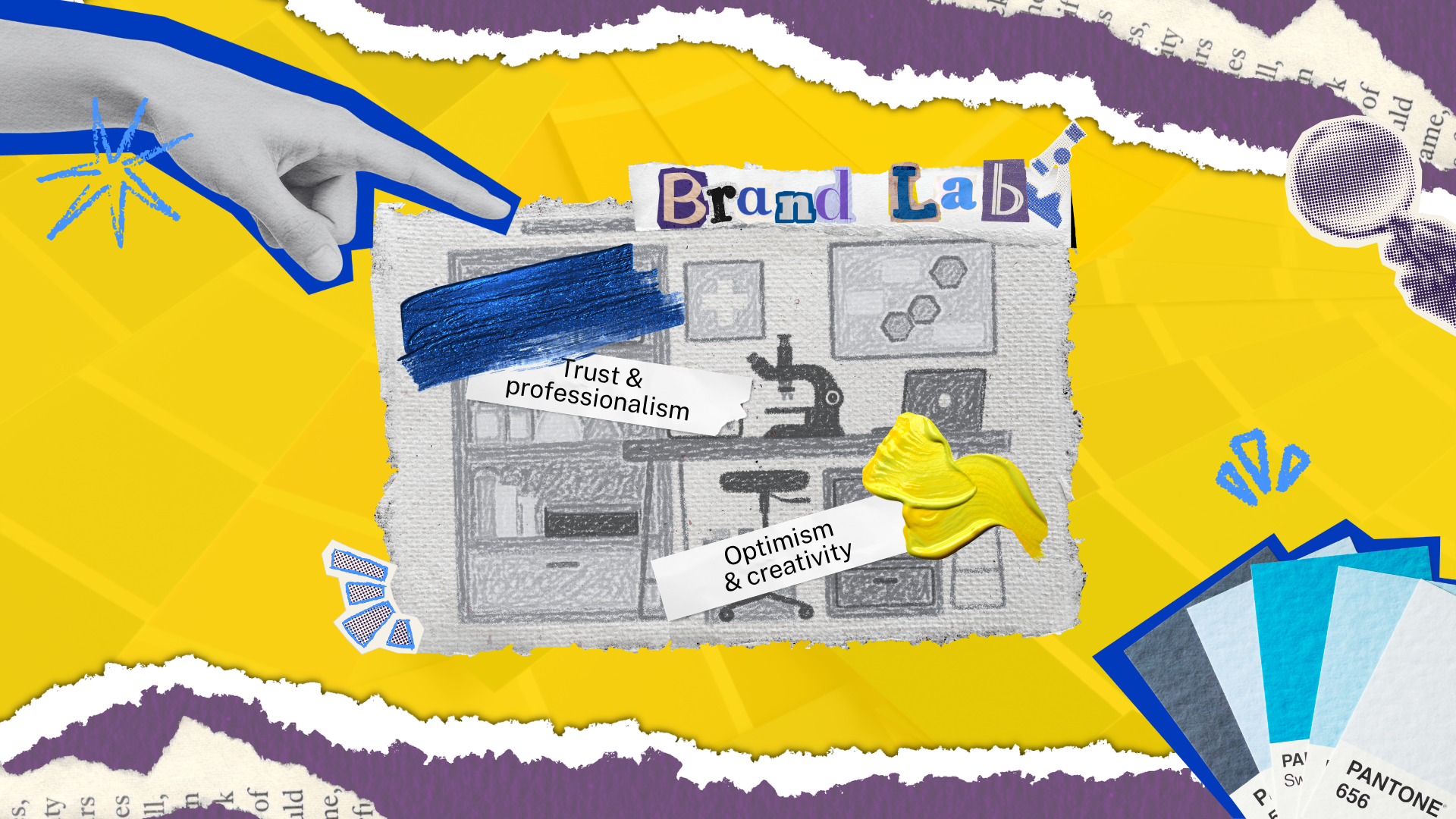
Blue can feel calm or professional. Green may suggest growth, health, or nature. Red can feel active or urgent. Yellow often feels bright and optimistic.
But those meanings are not fixed.
Culture, industry, context, and personal taste all change how color is read. The same shade can feel playful in one brand and serious in another.
That is why color associations should be used as a guide, not a formula.
Start with the experience you want to create. Then choose colors that support it.
| Color | Common Association |
| Blue | Trust, calm, professionalism |
| Green | Growth, health, nature |
| Red | Energy, action, urgency |
| Yellow | Optimism, warmth, creativity |
| Black | Confidence, luxury, sophistication |
| Orange | Energy, friendliness, confidence |
Match Your Colors to Your Brand Personality
The best palette reflects the brand you want people to experience. Start with your values, audience, and personality before looking at trends. A color may look attractive on its own, but it should also make sense beside your message, service, and the people you want to reach.

Before choosing a palette, ask a few simple questions.
How should customers feel when they meet our brand?
What do we want to be known for?
Which qualities should the brand communicate?
What would feel wrong for our audience or industry?
A financial firm may lean toward calm blues and clear neutrals. A children's activity brand may use brighter tones. A luxury service may choose a more restrained palette.
None of those choices is automatic. The right answer depends on the brand.
A clear brand identity brings color, typography, logo design, imagery, and messaging into one system. Your palette should support that system, not compete with it.
For small business branding, a simple and clear palette is often more useful than a complex one. It is easier to use well and easier for customers to learn.
Build a Simple Color Palette
A practical brand palette does not need many colors. Most businesses can work with a small set that covers the main brand color, a supporting color, useful neutrals, and one accent. Fewer choices make it easier to create a clear and repeatable visual system.
A simple palette can include:
| Role | How It Is Used |
| Primary color | The main color people connect with the brand |
| Secondary color | A supporting color for variety and balance |
| Neutral colors | Backgrounds, text, space, and structure |
| Accent color | Buttons, highlights, or small points of focus |
You do not need to use every color in every design.
Think about hierarchy instead.
Which color should lead? Which colors should support? Which one should only appear when you need attention?
That makes the palette easier to control.
It also helps the brand feel more intentional.
Keep Your Brand Colors Consistent
Color becomes more useful when people see it in a steady way. Use the same core palette across your website, social content, email, print, and other brand materials. Repetition helps customers connect those visual cues with your business over time.
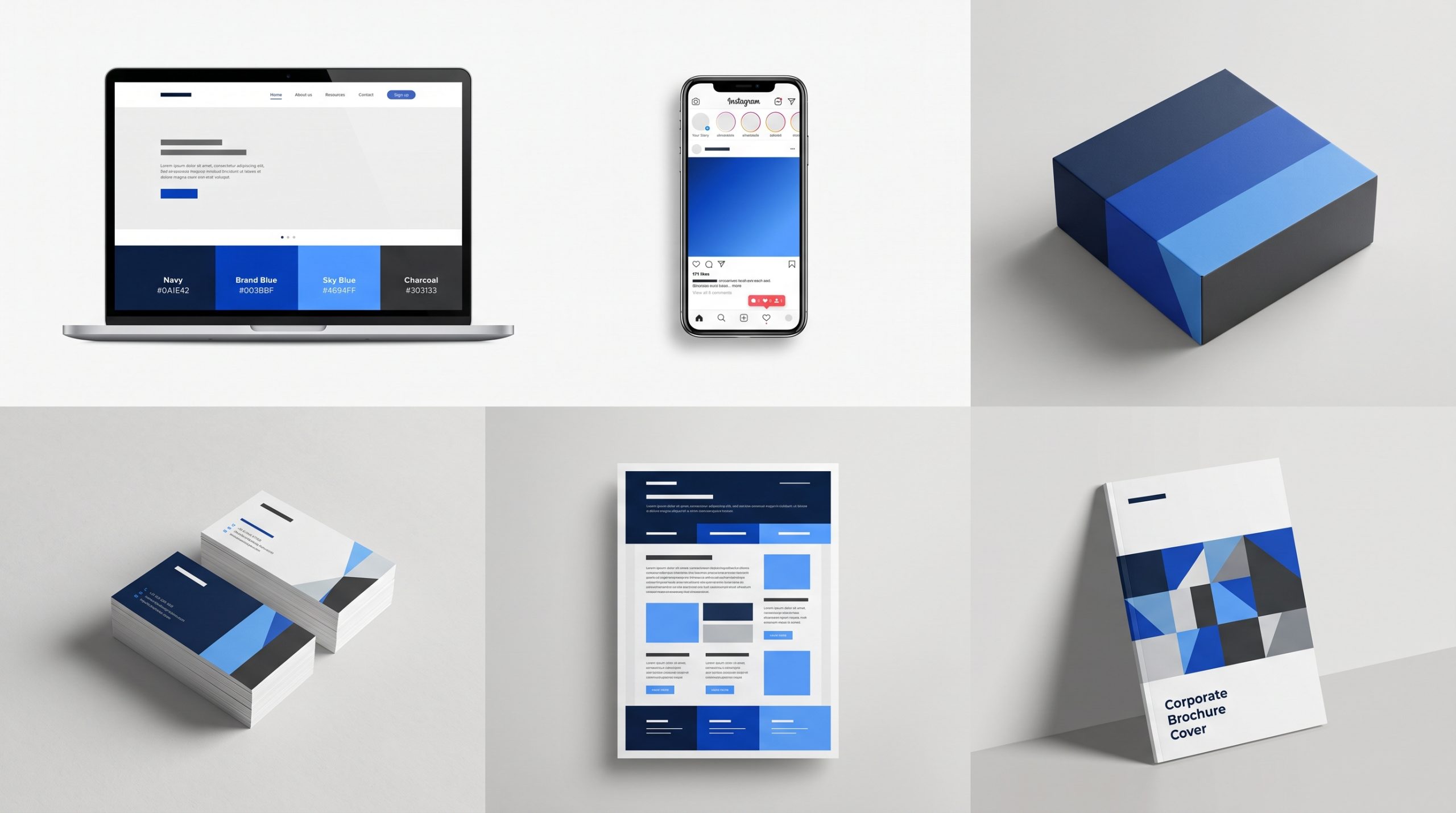 Consistency does not mean every design needs the same layout.
It means the same visual system should still be easy to spot.
Use the correct color codes. Keep the same role for each color. Give your team clear files and templates.
A consistent brand should feel familiar wherever customers find it. The layout may change, but the visual cues should still point back to the same business.
This matters on your website too.
Your website design is often where your full palette has to work hardest. Colors need to support readability, navigation, calls to action, and the overall brand feel.
If a color looks good but makes text hard to read, it is not doing its job.
Good branding should be recognizable and usable.
Do Not Choose Colors Based on Trends Alone
Trends can give you ideas, but they should not decide your brand palette. A popular color may look current now and feel dated later. Choose colors that fit your brand first. Then use trends in smaller ways that are easier to update.
It is easy to save a trendy palette and want the same look for your own brand.
The problem is that your competitors may be doing the same thing.
If everyone in your category follows one visual trend, it becomes harder to stand out.
Use trends for inspiration, not direction.
Your main palette should still make sense when the trend passes.
That gives you more room to evolve without rebuilding the visual identity every year.
BSD Perspective
At Brightsand Designs, we see color as one part of a larger brand system. A good palette should support the message, make key actions easier to see, and stay useful across different formats. The goal is not to choose the prettiest colors. It is to choose the right ones.
A strong palette makes design decisions easier.
Your team knows what to use. Your materials feel more connected. Customers see the same visual cues again and again.
Color can help a brand feel more recognizable.
But it works best when the rest of the identity supports the same idea.
Choose Colors That Make the Brand Clearer
The right brand colors should make your identity easier to understand, not more complicated. Start with your personality and audience. Use color associations as a guide. Build a simple palette. Then apply it with enough consistency for people to learn and recognize it.
There is no perfect color for every business.
There is only a palette that makes sense for yours.
Choose it with purpose.
Use it with care.
Then let repetition do the rest.

How To Keep Your Brand Consistent And Why You Need To
How To Keep Your Brand Consistent And Why You Need To

Brand inconsistency rarely happens all at once.
It starts with small things. One social post uses the wrong shade of blue. A sales deck still has an old logo. An email sounds nothing like the website. A team member creates a new template because they cannot find the approved one.
Each change may seem minor. Together, they can make the brand feel less clear.
That matters because customers meet your business in many places. They may see your social content first, visit your website later, then read an email or speak with your team. If you want to build a stronger brand, those moments should feel connected.
Brand consistency does not mean making every platform look the same. It means keeping the same identity, message, and standard wherever people find you.
What Brand Consistency Really Means
Brand consistency means presenting the same core identity, message, and experience wherever people meet your business. Your website, social posts, emails, sales materials, and customer service do not need to look identical, but they should clearly feel like they come from the same brand.
Think of consistency as a set of familiar signals.
Your logo is one signal.
Your colors and typography are others.
So are your tone of voice, the way you explain your services, and the level of care customers receive.
A clear brand identity gives those signals a system. It helps people understand what belongs to the brand and what does not.
Consistency also leaves room for context.
A LinkedIn post can sound more professional than an Instagram Reel. A proposal can be more detailed than a caption. The format changes, but the personality and message should still feel familiar.
Mailchimp describes brand consistency as keeping the way a company presents itself aligned across its marketing channels. That includes both the image people see and the message they receive. Read the Mailchimp overview.

Why Brand Consistency Builds Recognition and Trust
Consistent branding makes your business easier to recognize and easier to trust. When customers keep seeing the same visual style, voice, and message, they spend less time figuring out who you are. Familiarity grows, and each positive interaction can reinforce the one before it.
Imagine finding a business through Instagram.
The post feels polished and clear. You visit the website, but the colors are different. The message sounds more formal. Then the contact email feels like it came from another company.
Nothing may be technically wrong. The experience simply feels disconnected.
This is especially important for small business branding. Smaller businesses often have fewer chances to make an impression, so each touchpoint needs to reinforce the same identity.
Recognition is built through repetition, but trust is built through repetition plus delivery. Your brand promises one experience. Your business needs to follow through on it.
Create Brand Guidelines People Can Actually Use
Brand guidelines are most useful when they make everyday decisions easier. A practical guide should show people how to use your logo, colors, type, images, tone, and key messages. The goal is not a long rulebook. It is a clear system your team can follow.

A beautiful brand guide is not enough if nobody opens it.
Keep the rules simple. Show the approved logo versions. List the exact color codes. Define the main fonts. Give examples of the tone you want and the tone you do not want.
Then add the pieces people use most often.
| Brand Area | What the Guide Should Clarify |
| Visual identity | Logo use, colors, typography, image style |
| Messaging | Core message, key phrases, value proposition |
| Tone of voice | How the brand should sound in different situations |
| Templates | Approved layouts for common marketing materials |
| Assets | Where the latest files and versions are stored |
The most useful guidelines also explain what can change.
A social post may need more energy than a formal proposal. A campaign may introduce a new visual idea. The brand can flex, but the core identity should stay intact.
This is where templates help. They give people room to create without forcing them to rebuild the brand from scratch every time.
Keep the Brand Consistent Across Every Touchpoint
A brand can look polished on one channel and still feel inconsistent overall. Review the places customers actually use, from your website and social media to emails, proposals, packaging, and customer service. The goal is to make the experience feel connected from one step to the next.
Your website design is often one of the most complete expressions of the brand. The layout, copy, colors, imagery, and user experience should all support the same promise.
Your social channels need the same foundation. A clear social media strategy helps your team adapt content to each platform without losing the brand's voice or purpose.
The same applies to email, sales materials, printed pieces, and customer conversations.
One useful test is to remove the logo.
Would the page, post, or email still feel like your business?
If the answer is no, the brand may be relying too heavily on the logo instead of a full identity system.
Bitly's 2026 guidance on brand consistency across channels makes a similar point. Modern brands appear across many different formats, so teams need shared rules and assets to keep the experience aligned.
A shared content plan can help too. When your team knows the main themes, formats, and goals in advance, it becomes easier to create on-brand work consistently instead of making each post from scratch.
That is one reason social media content planning is useful beyond scheduling. It gives the brand a more repeatable rhythm.
Review Your Brand Without Reinventing It
Brand consistency does not mean freezing your identity forever. Businesses change, audiences change, and old materials become outdated. Regular reviews help you spot where the brand has drifted, update what no longer fits, and protect the parts that customers already recognize and trust.
A brand review does not need to become a full rebrand.
Start with the places people see most often: your homepage, main social profiles, recent email campaigns, sales deck, proposals, and customer-facing documents.
Then ask a few simple questions.
Does the same core message appear everywhere? Does the tone sound like one company? Are the current logo, colors, and fonts being used? Are old templates still circulating? Does the customer experience match what the brand promises?
You may find that the brand itself is still strong. The system around it simply needs an update.
That might mean replacing old templates. It might mean making a shared asset folder easier to use. It might mean tightening the tone of voice or updating a few key messages.
Change what needs to change. Keep what still works.

BSD Perspective
Brand inconsistency is often a systems problem, not a creativity problem. Teams usually know what the brand should look and sound like. The trouble starts when files, templates, messages, and responsibilities are scattered. A simple shared system makes consistency much easier to protect as the business grows.
At Brightsand Designs, we see consistency as part of the foundation, not the finishing touch.
A strong brand should make marketing easier. Your team should not have to debate the same design or messaging decisions every time a new campaign starts.
When the identity is clear, people can move faster. Content is easier to approve. New materials feel connected. Customers get a more familiar experience.
The goal is not to control every creative choice.
The goal is to give the brand enough structure that creativity still feels like it belongs.
Keep the Brand Familiar, Not Frozen
The strongest brand consistency comes from clarity, not repetition. Keep the parts that make your business recognizable, then adapt them thoughtfully across different channels and moments. When your visuals, message, and customer experience support one another, your brand becomes easier to remember and easier to trust.
Your brand will keep changing as the business grows.
That is normal.
What matters is that the change feels intentional.
Keep the core identity clear. Give your team practical guidelines. Use current templates and assets. Review the customer experience from time to time.
Consistency is not about making everything look the same.
It is about making sure everything still feels like you.
How to Build a Brand, Not Just a Business
Imagine you're looking for a marketing agency.
You open two websites.
The first one lists its services, shows a few stock photos, and tells you they've been in business for years.
The second one immediately communicates who they are, what they believe in, how they solve problems, and why clients trust them.
Both companies may offer the same services.
So why does one instantly feel more credible?
Because one has built a business.
The other has built a brand.
Today, customers don't just compare products or prices. They compare experiences, credibility, and trust. Before someone fills out your contact form or walks into your store, they've already started forming an opinion about your business.
That's why building a brand is no longer optional. It's one of the smartest investments you can make if you want long-term business growth.
 What Does It Mean to Build a Brand?
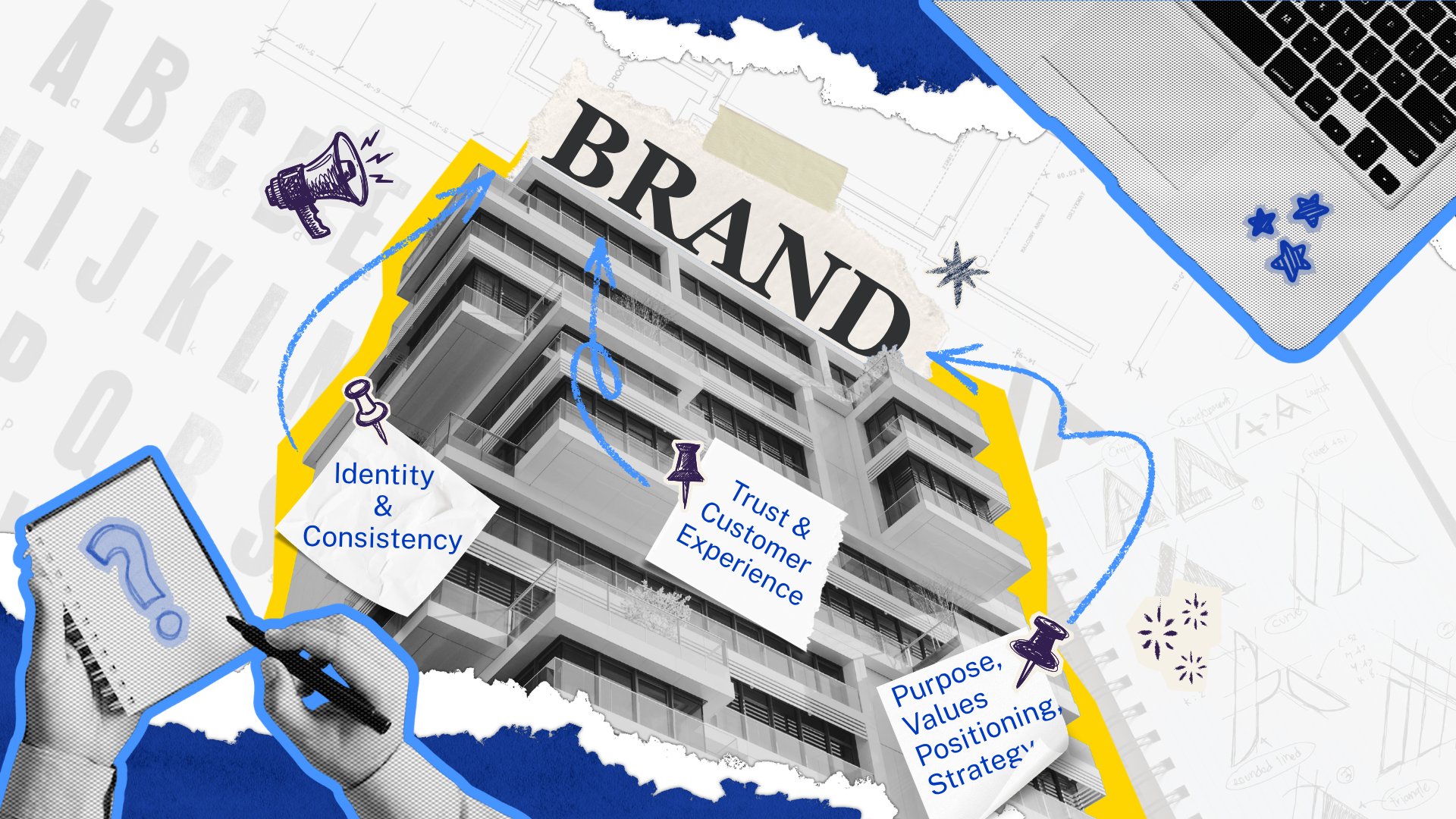
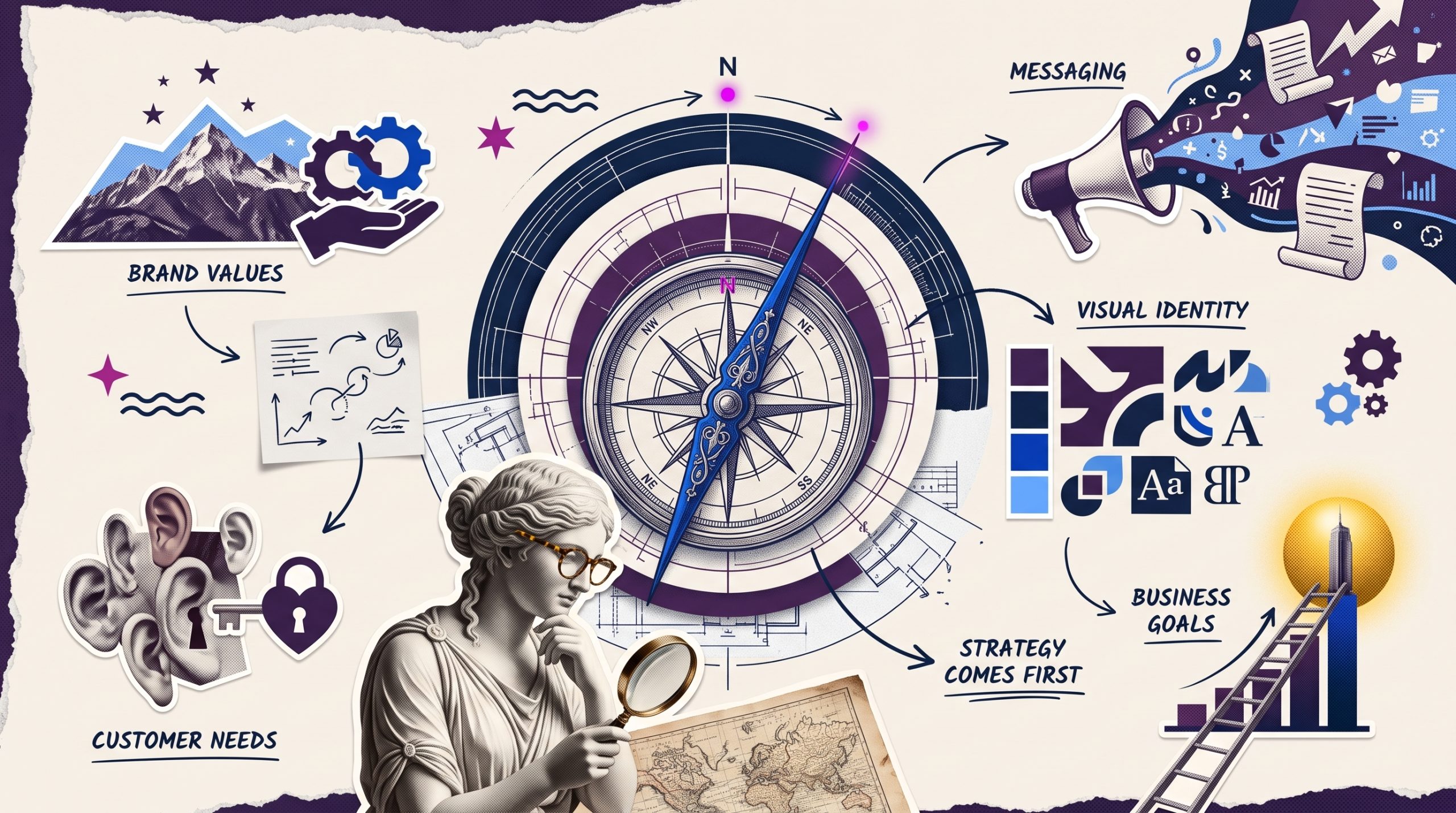
To build a brand means creating a clear identity that helps customers recognize, trust, and remember your business. A strong brand combines your purpose, messaging, visuals, customer experience, and reputation into something that makes your business stand out in a competitive market.
Many people confuse branding with design.
A logo. A color palette. A website.
Those are important pieces of your brand identity, but they are only the visible layer.
Your brand is really the impression people have after interacting with your business.
It is what customers expect before they buy.
It is the reason someone chooses your company over another that offers almost the same thing.
Think about the brands you trust.
Chances are, you remember how they made you feel long before you remember the details of what they sold.
That is the power of business branding.
Quick Reality Check
If someone removed your logo today, would customers still recognize your business by your messaging, tone, and customer experience alone?
A Business Generates Sales. A Brand Creates Loyalty.
Businesses focus on selling products or services. Brands focus on creating trust, loyalty, and emotional connection. The strongest companies understand that long-term success comes from building relationships, not just completing transactions.
Here's a simple comparison.
| Business | Brand |
| Sells products or services | Builds trust and recognition |
| Focuses on transactions | Focuses on relationships |
| Competes on price | Competes on value |
| Generates customers | Creates loyal advocates |
| Can be copied | Difficult to replicate |
Think about your own buying habits.
When you need a new phone, a favorite coffee, or even a marketing agency, you probably don't start by comparing prices.
You start with the businesses you already know.
That familiarity didn't happen by accident.
It came from consistent brand awareness, clear messaging, and positive experiences over time.
Customers don't become loyal because a company has the lowest price.
They become loyal because they know what to expect.
Why Branding Matters More Than Ever
Strong branding helps businesses stand out, build credibility, and earn customer trust before a conversation even begins. As competition continues to grow across almost every industry, a clear brand strategy becomes one of your biggest competitive advantages.
The way people buy has changed.
Most customers will visit your website before they contact you.
They'll browse your social media pages, read reviews, and compare you with competitors.
Your website design is often the first place people experience your brand strategy in action. From its layout and messaging to the overall user experience, every detail shapes how visitors perceive your business.
By the time they reach out, they've already formed an opinion about your business.
That means your brand is often working before your sales team ever does.
According to Forbes Business Council, businesses that focus on long-term brand strategy rather than short-term promotion often build stronger customer loyalty by consistently reinforcing what their business stands for, not just what it sells.
Branding influences everything from customer perception to employee recruitment and even pricing power.
When people trust your brand, they're often willing to pay more because they believe they're receiving greater value.
Did You Know?
Customers are far more likely to purchase from businesses they recognize than from businesses they've never heard of. Brand familiarity reduces uncertainty, making buying decisions easier and faster.
Great Brands Start With Purpose
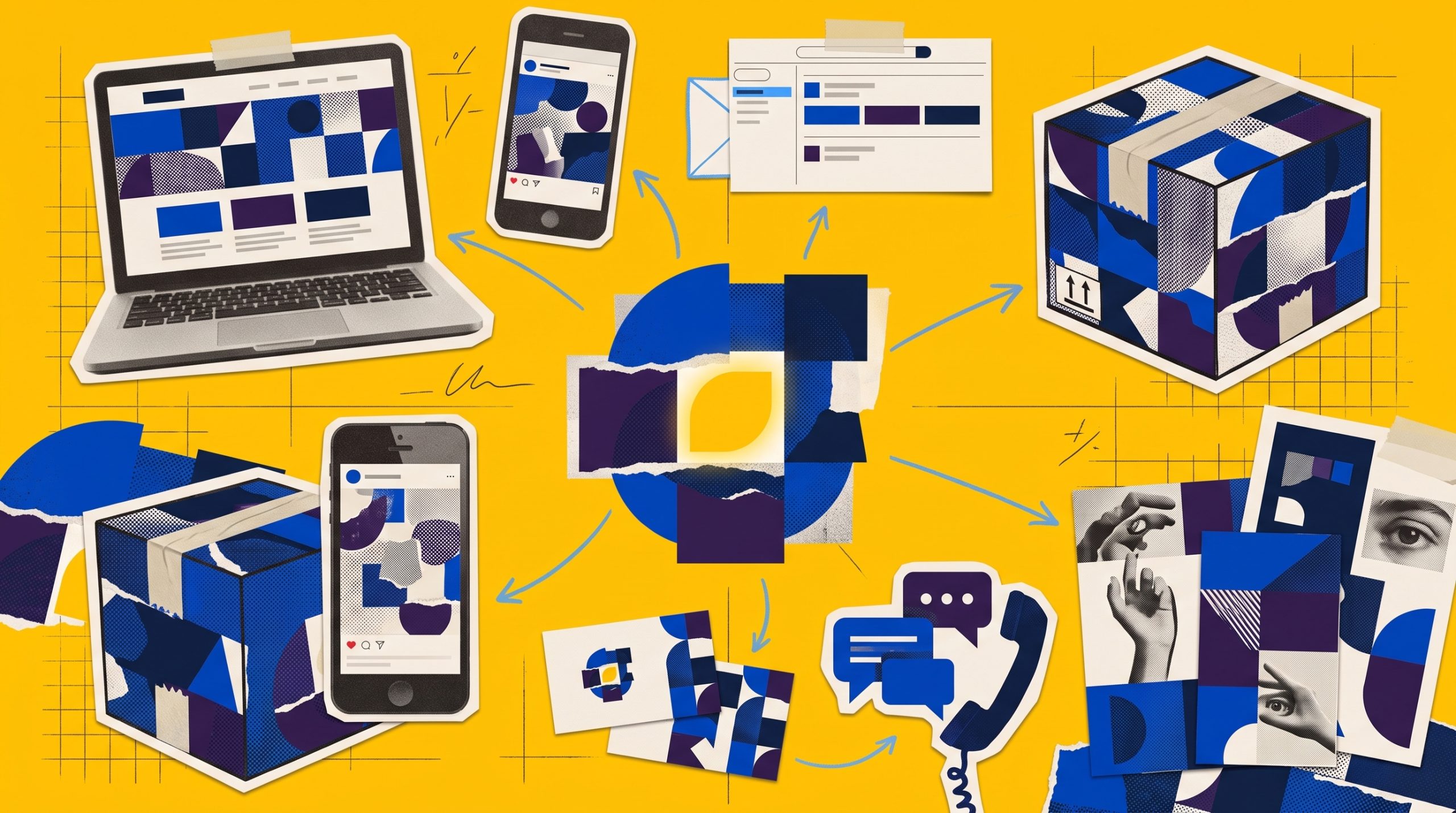
Every memorable brand is built around a clear purpose. Customers connect more deeply with businesses that communicate why they exist, not just what they sell. Purpose gives your brand positioning direction and gives customers something meaningful to remember.
Ask yourself one question.
If your products disappeared tomorrow, what would people still remember about your business?
Would they remember your customer service?
Your expertise?
Your innovation?
Your commitment to sustainability?
Or would they remember another company selling the same thing as everyone else?
Purpose is what separates memorable brands from forgettable businesses.
It becomes the foundation for your messaging, your customer experience, and your brand positioning.
Forbes recently highlighted that companies built around a mission often outperform those built around products alone because customers naturally connect with businesses that stand for something bigger than sales.
Purpose gives people a reason to care.
And people remember businesses they care about.
The strongest brands make that purpose visible from the beginning, whether it's through their story, company values, or the experience they create for customers.
Your Brand Lives in Every Customer Interaction
Your brand identity extends far beyond visual design. Every interaction, from your website and social media to customer service and emails, shapes how people experience and remember your business.
This is where many businesses unintentionally create inconsistency.
Their website feels polished.
Their social media feels completely different.
Customer emails sound formal.
Sales presentations sound casual.
None of these things are necessarily wrong.
But together, they create a confusing experience.
A strong brand identity creates consistency across every touchpoint.
| Touchpoint | What It Communicates |
| Website | Professionalism |
| Social media | Personality |
| Customer service | Trustworthiness |
| Email communication | Reliability |
| Visual identity | Recognition |
Customers rarely judge your business based on one interaction.
They remember the overall experience.
The more consistent that experience feels, the stronger your brand recognition becomes.
Consistency Is What Turns Recognition Into Trust
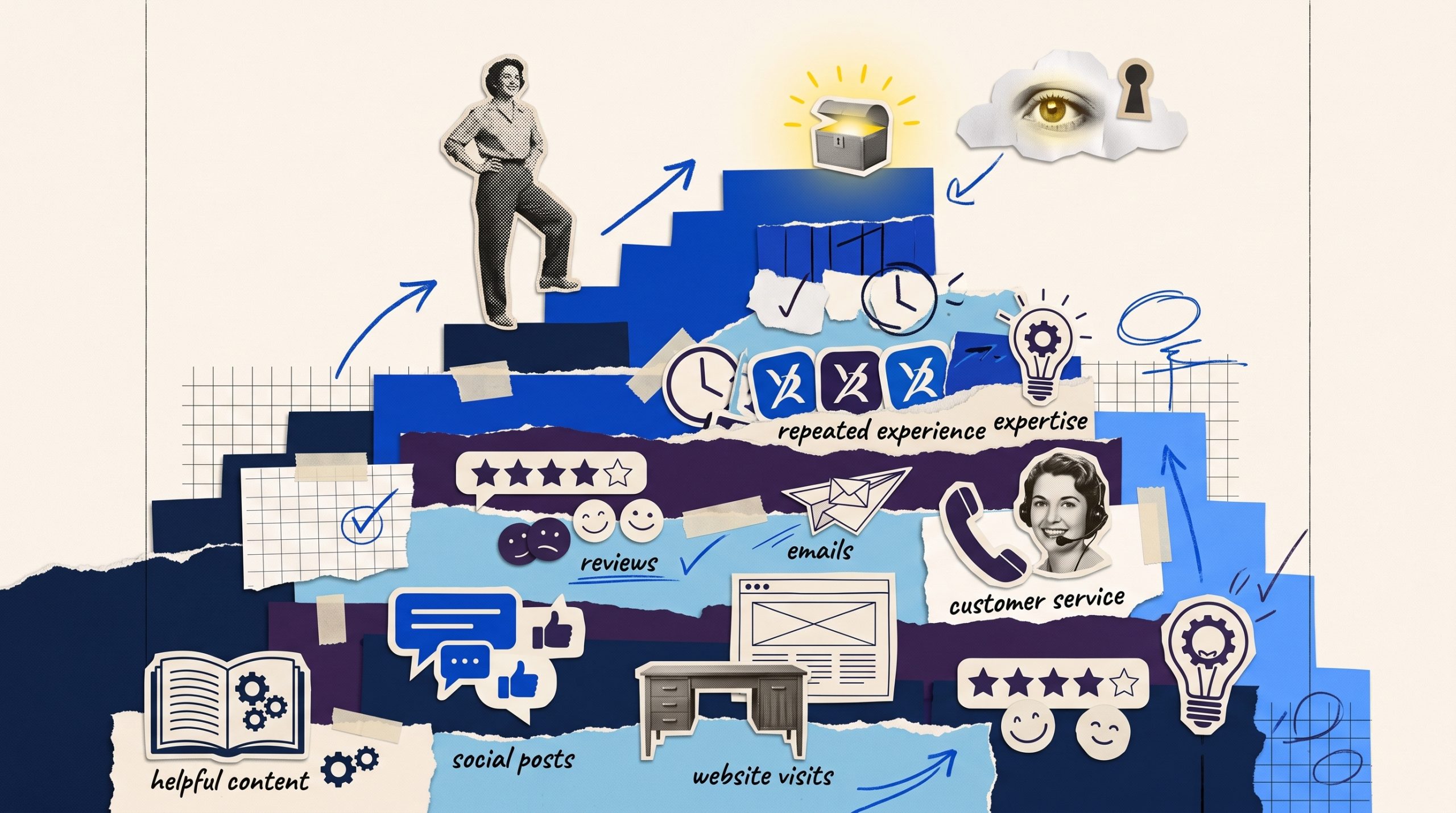
A consistent brand helps customers know what to expect every time they interact with your business. From your visual identity to your tone of voice, consistency strengthens trust and makes your business easier to remember.
Have you ever visited a company's website that looked polished, only to find outdated social media pages or inconsistent messaging elsewhere?
It feels disconnected.
Customers notice these details more than businesses realize.
Brand consistency does not mean saying the same thing repeatedly. Maintaining brand consistency across your website, social media, and marketing materials helps customers recognize your business wherever they find you. We'll explore practical ways to achieve this in our upcoming guide on brand consistency.
Whether someone discovers your business through Google, LinkedIn, Instagram, or a referral, the experience should feel familiar.
Over time, that familiarity becomes trust.
A Quick Brand Consistency Check
Ask yourself these questions:
| Question | Why It Matters |
| Does your website reflect your current business? | First impressions often happen online. |
| Are your logo, colors, and messaging consistent? | Consistency improves brand recognition. |
| Do your social media platforms sound like the same company? | Customers expect one clear identity. |
| Would your employees describe your brand the same way? | Internal clarity creates external consistency. |
If you answered "no" to more than one of these, it may be time to revisit your branding strategy.
Trust Is Built Long Before Someone Becomes a Customer
Customers rarely buy from a business the first time they discover it. Trust is built gradually through helpful content, consistent communication, and positive experiences that demonstrate expertise over time.
Think about the last major purchase you made.
You probably didn't decide immediately. You researched. Compared options. Read reviews.
Visited websites.
That same behavior applies to your customers.
Every blog post, social media update, email, and client interaction either builds confidence or creates doubt.
That is why branding and content marketing work so well together.
Publishing educational content consistently strengthens brand awareness while helping potential customers understand your expertise before they ever reach out.
When businesses consistently educate instead of constantly selling, they position themselves as trusted experts instead of just another option.
This is one reason BSD places so much importance on educational content. Every helpful article becomes another opportunity to build credibility before the first conversation ever happens.

Personal Brands Are Changing How Businesses Grow
People connect with people before they connect with companies. Businesses that combine a strong corporate brand with authentic leadership often build trust faster and create stronger customer relationships.
One of the biggest branding trends over the past few years is the rise of personal branding.
Customers increasingly want to know the people behind the business.
Who started the company? What do they believe in? What experience do they bring?
For many businesses, especially service-based companies, the founder's reputation becomes part of the overall business identity.
That does not mean every business owner needs to become an influencer.
It simply means showing the human side of your company.
Sharing insights. Celebrating milestones. Talking about lessons learned.
People relate to stories much more than slogans.
Forbes Communications Council recently noted that strong personal brands often strengthen business brands because they create authenticity, something customers value more than polished marketing alone.
Branding Is Never Finished
Building a brand is an ongoing process. As your business grows, your messaging, positioning, and customer expectations evolve too. Regular brand reviews help ensure your business continues to stay relevant.
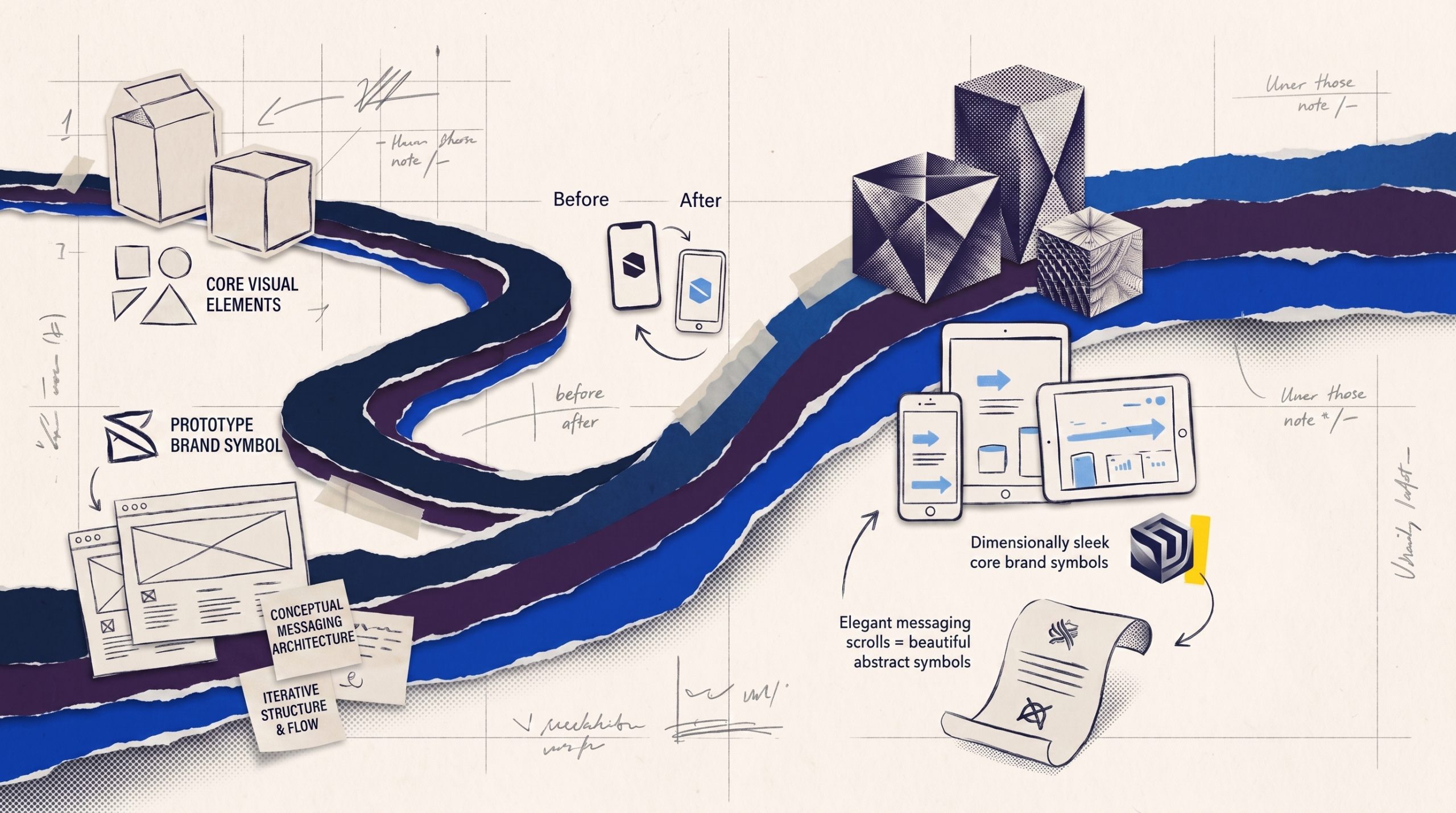
One common misconception is that branding is a one-time project.
Design the logo. Launch the website. Done.
In reality, brands grow alongside businesses.
Your audience changes. Your services evolve. Markets become more competitive.
What worked five years ago may no longer reflect who you are today.
That is why successful businesses regularly review their brand positioning.
Sometimes that means refreshing visual assets.
Sometimes it means refining messaging.
Sometimes it means completely rethinking how the company communicates its value.
The goal is not to change your identity every year.
The goal is to make sure your brand continues reflecting where your business is heading.
Is Your Brand Working As Hard As You Are?
A growing business should regularly evaluate whether its brand still supports its goals. A simple brand audit can reveal opportunities to improve customer perception, strengthen messaging, and create a more consistent experience.
 Before investing in another marketing campaign, take a step back and ask yourself:
✓ Can someone understand what makes my business different within the first few seconds of visiting my website?
✓ Does my messaging sound consistent across every platform?
✓ Does my visual identity still reflect the quality of my business today?
✓ Are we known for something beyond the products or services we sell?
✓ Would our customers describe our brand the way we want them to?
If several of those questions made you pause, your next investment may not be more advertising.
It may be building a stronger brand.
Key Takeaway
Marketing gets people to notice your business.
Branding gives them a reason to remember it.
BSD Perspective
At Brightsand Designs, we've worked with businesses across different industries, from construction and professional services to retail and healthcare.
One thing we've consistently observed is that businesses rarely struggle because they lack expertise.
More often, they struggle because they have not communicated that expertise clearly.
We've seen companies invest heavily in advertising while overlooking the foundation that makes marketing effective in the first place.
A clear brand gives every marketing effort more direction.
When customers understand who you are, what you stand for, and why your business is different, every campaign becomes more effective because you're reinforcing trust instead of trying to create it from scratch.
Marketing performs better when branding comes first.
Build Something People Remember
Products change.
Markets evolve.
Competitors come and go.
A strong brand is one of the few business assets that continues growing over time.
When customers recognize your business, trust your expertise, and remember the experience you create, every future marketing effort becomes more effective.
That is why the goal should never be to simply grow a business.
The goal is to build a brand that people trust, recommend, and choose with confidence.
The businesses that thrive over the next decade will not necessarily be the ones spending the most on advertising.
They will be the ones who consistently communicate who they are, what they believe in, and why they matter.
If your business can do that well, growth becomes much easier to sustain.

Exploring the Top 10 Fastest Growing Real Estate Markets in the United States
Real estate markets are anything but uniform.
While some regions stagnate, others flourish, offering a playground of potential for real estate brokers and agents. For those eager to capitalize on these burgeoning markets, understanding the top 10 fast-growing real estate hotspots is just the beginning. Equally critical is grasping the pivotal role that marketing plays in turning these opportunities into tangible success stories.
However, it's not just about recognizing these fertile grounds, it's about knowing how to harness their potential through the art of strategic marketing. Join us on a journey through the top 10 fast-growing real estate markets, where we'll not only unveil their allure but also chart a course for marketing success tailored to each unique locale.
1. Bend, Oregon: Savoring the Great Outdoors
With a high-octane lifestyle and picturesque surroundings, Bend, located in Central Oregon, is a testament to nature's beauty. Here, real estate professionals can tap into the spirit of adventure, capturing the hearts of those seeking a dynamic, outdoorsy existence. Marketing in Bend means crafting campaigns that resonate with outdoor enthusiasts, focusing on property features like proximity to hiking trails, riverfront access, and breathtaking vistas. Engage with local outdoor clubs, and sponsor events that align with the region's active lifestyle to cement your presence in this thriving market.
2. Frisco, Texas: Where Families Flourish
A stone's throw from Dallas lies Frisco, a city synonymous with family-friendly charm and economic prosperity. Marketing in Frisco revolves around understanding the needs of growing families. Highlighting the quality of schools, the abundance of parks, and the community spirit can be the cornerstone of your marketing strategy. Dive into local school events, support youth sports teams, and leverage social media platforms to engage with parents and capture their attention.
3. Charleston, South Carolina: Timeless Charm by the Coast
The historic charm of Charleston, South Carolina, and its neighboring gems like Mount Pleasant and Summerville beckon those seeking coastal elegance and cultural riches. Marketing in Charleston should encompass the city's cultural heritage. Leverage storytelling and visual content to showcase historic homes, cobblestone streets, and waterfront properties. Engage with the local arts scene, sponsor cultural events, and partner with historic preservation organizations to establish yourself as the go-to expert in this unique market.
4. Bozeman, Montana: Embracing Outdoor Serenity
Nestled in southwestern Montana, Bozeman is a sanctuary for outdoor enthusiasts and those in pursuit of a more relaxed lifestyle. Marketing in Bozeman is about celebrating the great outdoors. Showcase properties with easy access to hiking, skiing, and fishing. Create content that highlights the peace and tranquility of Montana living. Engage with local outdoor clubs, sponsor nature conservation efforts, and collaborate with adventure-focused influencers to resonate with this community.
5. Hoboken, New Jersey: The Urban Gateway
Hoboken, a vibrant city across the river from Manhattan, lures young professionals with its urban charm. Marketing in Hoboken is about connecting with the bustling urban crowd. Utilize social media and digital marketing to target city dwellers seeking a seamless urban-suburban blend. Engage with local businesses, support community events, and collaborate with city bloggers to position yourself as the real estate expert for those craving city living with a touch of tranquility.
6. Sarasota, Florida: Coastal Paradise & Retirement Haven
Sarasota, nestled along Florida's Gulf Coast, is celebrated for its cultural attractions, pristine beaches, and active retirement communities. Marketing in Sarasota should revolve around the coastal paradise lifestyle. Highlight waterfront properties, cultural events, and recreational activities. Engage with local retirement communities, sponsor beach clean-up initiatives, and partner with cultural institutions to become the go-to real estate professional for those seeking the Florida dream.
7. Bentonville, Arkansas: The Power of Economic Growth
Home to Walmart's headquarters, Bentonville has experienced remarkable growth. Marketing in Bentonville can be synonymous with economic empowerment. Showcase properties close to the corporate hub, engage with the business community, and become an advocate for local economic development. Partner with local entrepreneurs, support business networking events, and position yourself as the expert for those chasing professional growth in this thriving city.
8. Boulder, Colorado: The Spirit of the Rockies
Known for its outdoor adventures, cultural vibrancy, and eco-conscious living, Boulder attracts a diverse crowd. Marketing in Boulder means capturing the spirit of the Rockies. Emphasize properties that offer proximity to hiking trails, sustainable living, and cultural experiences. Engage with local environmental organizations, sponsor outdoor festivals, and collaborate with eco-conscious influencers to resonate with the Boulder community.
9. Provo, Utah: Academic Pursuits & Outdoor Joys
Provo, part of the Provo-Orem metropolitan area in Utah, is a haven for academics, outdoor enthusiasts, and tech-savvy professionals. Marketing in Provo involves a multi-faceted approach. Showcase properties near universities, outdoor amenities, and tech hubs. Engage with local educational institutions, sponsor outdoor adventure clubs, and connect with tech-focused communities to position yourself as the expert for those seeking academic pursuits and outdoor joys.
10. Asheville, North Carolina: Where Art Meets Nature
Nestled in the Blue Ridge Mountains, Asheville has become a magnet for art lovers, outdoor enthusiasts, and food connoisseurs. Marketing in Asheville is about celebrating the unique fusion of art and nature. Highlight properties with mountain views, proximity to cultural events, and access to hiking trails. Engage with local artists, support outdoor art festivals, and collaborate with food influencers to resonate with the Asheville community.
Each of these fast-growing real estate markets presents a unique tapestry of opportunities, and marketing is the thread that weaves success. By understanding the distinct characteristics of each locale and tailoring your marketing approach to its target audience, you can elevate your presence and thrive in these flourishing regions. So, let's embark on this marketing journey, where we'll not only explore the allure of each city but also chart a course to real estate success.


Why Is It Crucial To Redesign Branding For Your Business
A brand is more than just a logo. Your brand is an outward projection of what your customers think you do and how you make them feel. People tend to view a brand as a stamped design on the side of a product, but it's so much more than that.
Make it Make Sense.
Redesigning your logo is a restructuring of your current brand. The brand should tell a story about your values. If that story has or needs to change, you might want to consider a revamp. This can happen due to companies merging or the current brand no longer retaining the spirit it once had.
By redesigning your brand, you can update how your company looks. It's like holding up a mirror. Your brand is what you want to be reflected in when people see you. That said, is the current mirror image of your brand what you've been wanting to see?
Grow and Glow
Having a solid brand is one of your most significant assets! Your company should constantly be growing and building long-lasting customer relationships. When you redesign your brand, this gives your company a new voice. However, the tone of your brand should remain consistent with your mission and values. You want to bring your company into the future and not stay jaded.
You're redeveloping a strategy to achieve your business goals by updating your branding. When you evaluate where you currently are and where you want to go, working with the right marketing agency can help you reach your destination faster.
Depending on the type of business industry you're in, we recommend that existing businesses consider redesigning their brand should they encounter a gap between what their brand stands for and what their logo represents.
Businesses must be able to not only identify themselves accurately but also be able to significantly put their best foot forward with just the initial contact.
Ch-Ch-Changes
Why is change a good thing? Because it's necessary and one that is inevitable. The current economic shift and people's lives have changed dramatically. Recognizing the changing times, studying new trends, and adjusting your business accordingly is essential. Our goal is not to let your business get left behind during these crucial times.
BRIGHTSAND Designs can help you with this and more to promote your brand at a level that could bring you a new audience and keep your current customers' loyalty through strategic and practical solutions.