
When Is It Time to Rebrand?
A business can change a lot in a few years.
You may add new services. Enter a new market. Raise your prices. Hire a bigger team. Serve a different type of client.
But sometimes the brand stays where it started.
That creates a gap. The business has moved forward, but the way it looks and speaks still tells the old story.
A rebrand can close that gap. But it should solve a real business problem. It should not happen just because the logo feels boring.
A strong brand should grow with the business. If you have been working to build a stronger brand, a rebrand may be the next step when the old identity no longer supports where you are going.
So, when is it time to rebrand? Start with these seven signs.
 First, Do You Need a Rebrand or a Brand Refresh?
A brand refresh updates selected parts of your brand, such as colors, type, images, or messaging. A rebrand goes deeper. It may change your positioning, identity, name, or the way the business is presented. The right choice depends on what is no longer working.
If the core brand still fits, a refresh may be enough.
You might modernize the look. Tighten the message. Update old templates. Create clearer brand guidelines.
A full rebrand makes more sense when the problem sits deeper.
Maybe the business serves a new market. Maybe the old name limits growth. Maybe the brand promise no longer matches the company you have become.
Start with the problem. Then decide how much needs to change.
1. Your Business Has Changed, but the Brand Has Not
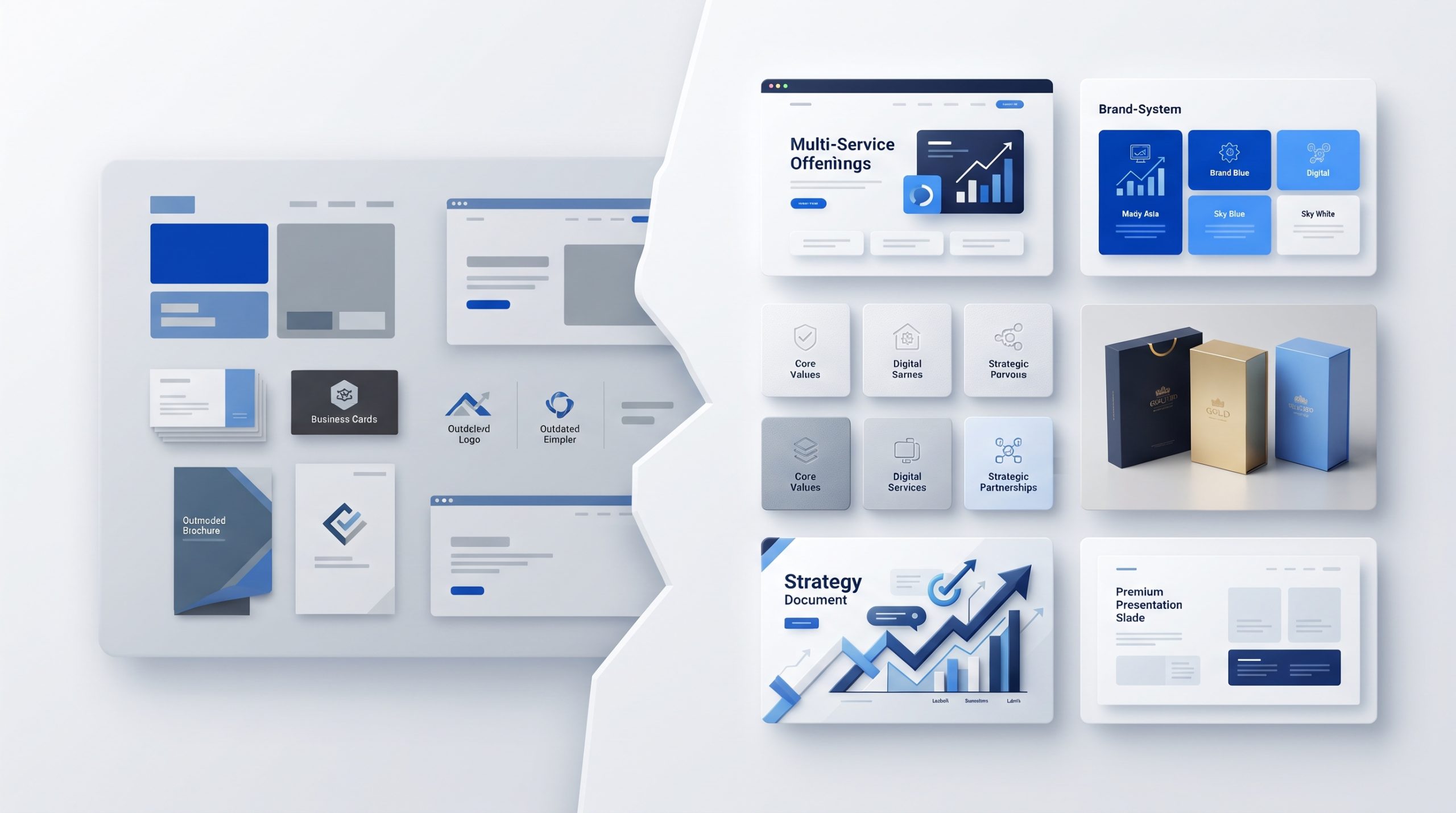
It may be time to rebrand when your services, market, size, or business model have changed but your brand still reflects an older version of the company. Customers should be able to look at your brand today and understand the business you are now.
 This is one of the clearest signs.
A company may start with one service, then grow into a much wider offer. A local business may begin serving clients across the country. A low-cost offer may grow into a premium service.
The old brand may still be familiar. But familiarity is not useful if it gives people the wrong idea.
Look at your homepage, sales deck, social profiles, and proposal.
Do they describe the business you have today?
If not, the brand may be holding on to a past version of the company.
2. You Are Trying to Reach a Different Audience
A rebrand may be needed when the people you want to reach are no longer the same people your current brand was built for. A new audience can have different needs, goals, expectations, and buying habits. Your brand should make the right people feel that you understand them.
Growth often changes the target market.
You may move from small clients to larger firms. You may enter a new age group, region, or industry. You may start selling to businesses instead of consumers.
The old brand may still work for the people who knew you before. But it may not speak clearly to the people you want next.
This is why small business branding should start with a clear view of who you serve. When the audience changes, the message and identity may need to change with it.
Do not redesign first.
Learn what the new audience cares about. Then decide what the brand needs to say, show, and prove.
3. Your Brand Looks Behind the Quality of Your Business
Your brand may need an update when the business has become more capable, polished, or premium, but the visual identity still feels basic or dated. Customers often meet the brand before they meet the team, so the outside should support the quality of what you now deliver.
 This does not mean chasing every design trend.
It means checking whether the brand still feels credible for your current level.
Maybe the logo was made when the business first opened. The website may use old photos. The color system may be hard to use. The sales deck may not match the price you now charge.
A visual gap can create doubt before a customer sees the real quality of the work.
A clear brand identity should support the position you want to hold. If the business has moved up, the identity should not make it look stuck.
4. Customers Do Not Understand What Makes You Different
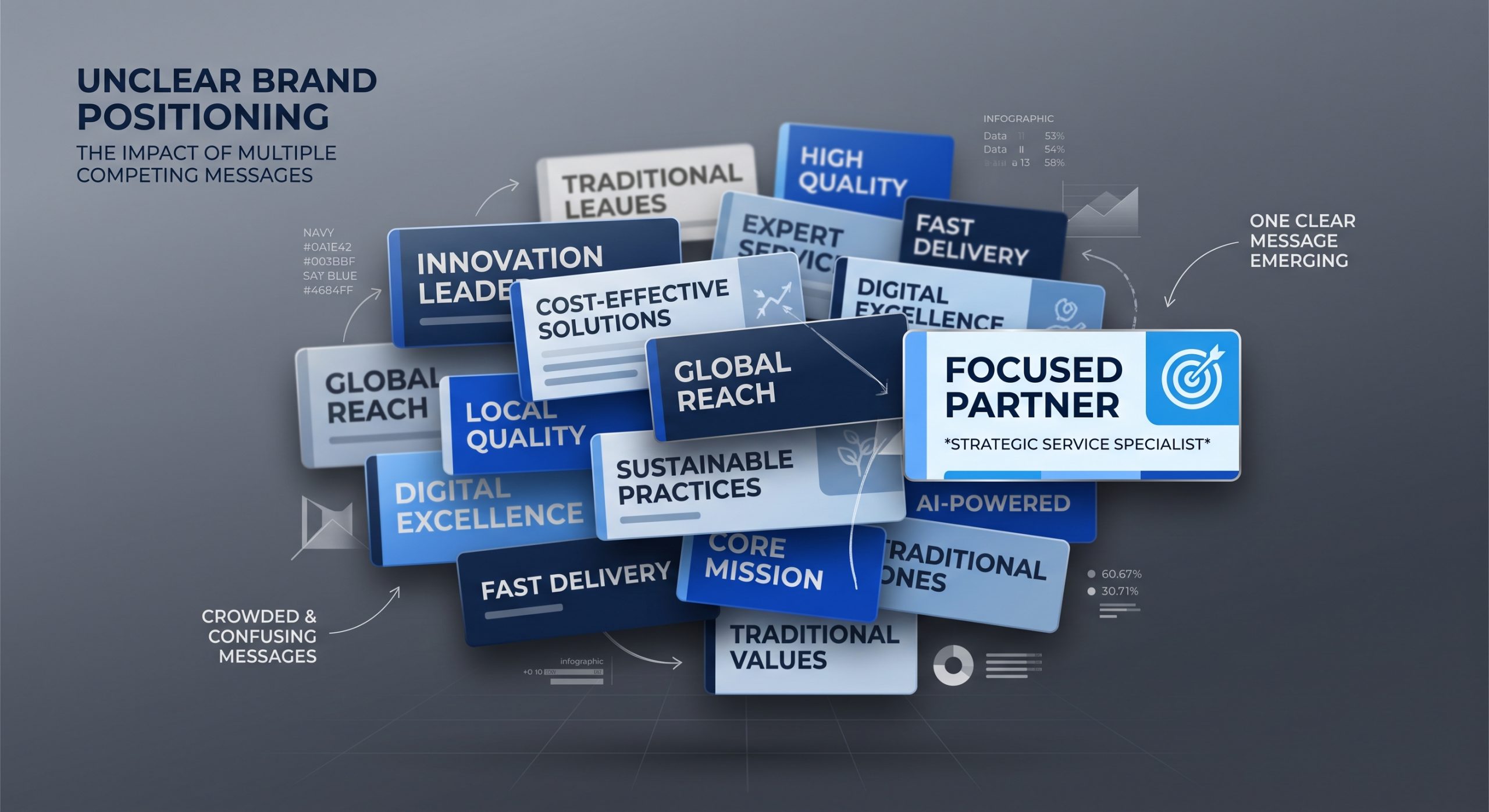
It may be time to rebrand when customers can see what you sell but cannot explain why they should choose you. Strong branding makes your value easier to understand. If your message sounds like every competitor, the problem may be deeper than a new tagline or campaign.
 A brand can look good and still be unclear.
This often happens as a business grows. New services get added. New messages get layered on. Different teams describe the company in different ways.
Soon, the brand says many things but owns none of them.
Ask customers or team members one question:
What are we known for?
If the answers are all different, your positioning may need work.
A rebrand can help bring the business back to one clear idea. That idea should guide the message, visuals, offers, and customer experience.
5. Your Brand Has Become Hard to Keep Consistent
Brand inconsistency can be a sign that the current system no longer fits the business. If teams keep making new versions of the logo, colors, templates, tone, or message, you may need clearer rules. In some cases, the brand itself may need to be rebuilt.
Not every consistency problem needs a rebrand.
Sometimes the fix is simple. Clean up the files. Create better templates. Write clear brand rules. Give the team one source of truth.
A consistent brand is easier to manage when the system is clear and useful.
But if people keep working around the brand because it no longer meets their needs, that is a different signal.
Maybe the palette does not work well online. Maybe the tone feels wrong for the new audience. Maybe the old logo does not fit new products or formats.
When the system creates more problems than it solves, a bigger change may be worth it.
6. You Blend In With Competitors
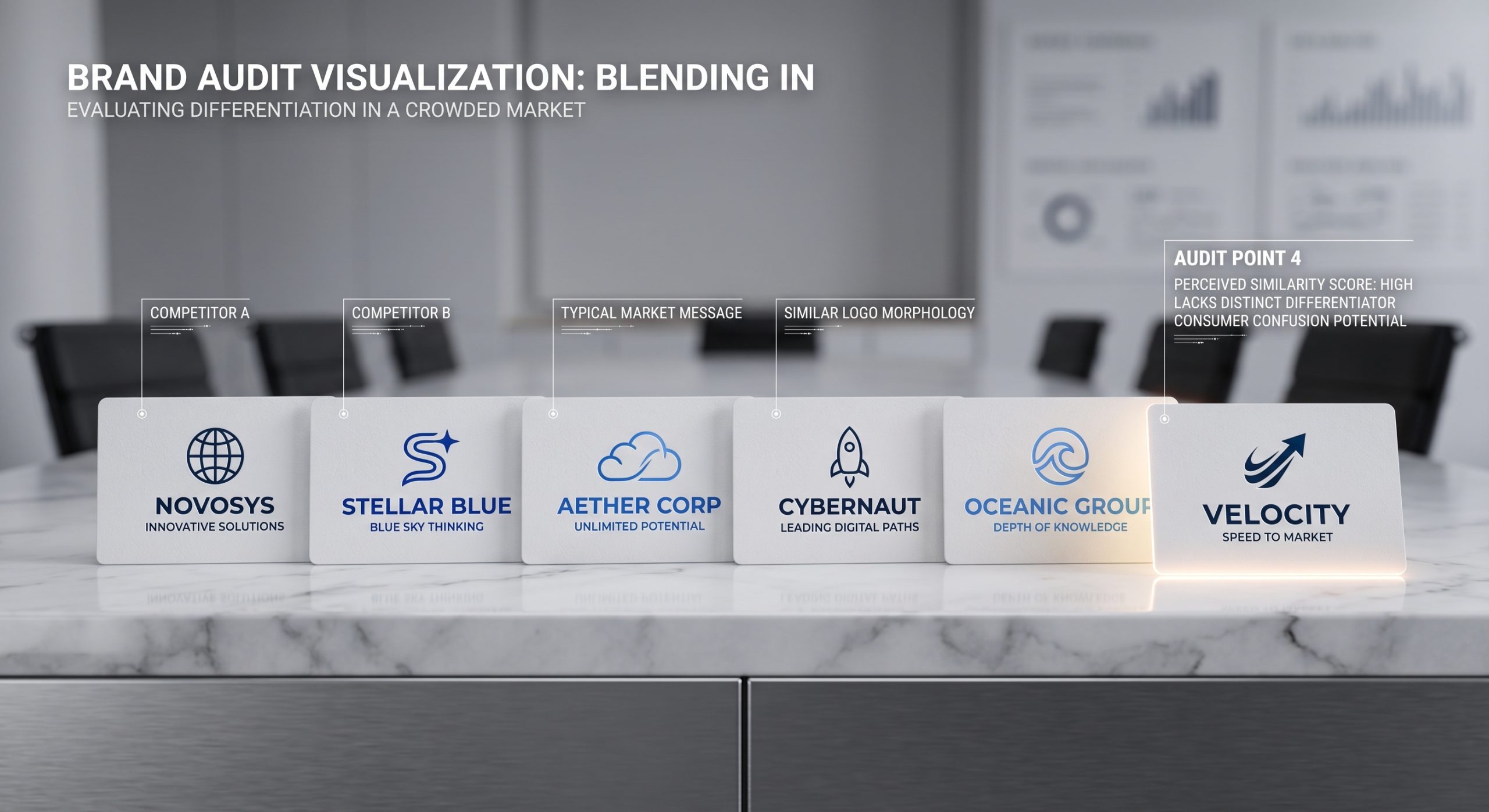
A brand may have outgrown its position when it looks, sounds, and feels too much like everyone else in the market. Customers need clear cues that help them tell one business from another. If your brand is easy to confuse with competitors, it is harder to remember.
 Markets change.
A look that felt fresh five years ago may now be common. A message that once sounded different may now appear on every competitor site.
Do a simple audit.
Place your website, logo, colors, and key message beside five competitors.
What feels clearly yours?
If the answer is very little, the brand may need stronger points of difference.
That does not mean choosing strange colors or a louder logo just to be different.
Good differentiation starts with strategy. The visual identity should make that difference easier to notice.
7. The Brand Is Making Growth Harder
The strongest sign is simple: the brand starts getting in the way. It may limit new offers, confuse buyers, weaken trust, or make sales harder. A brand should support growth. If your team keeps having to explain around it, the problem deserves a closer look.
A weak fit can show up in small ways.
Sales calls spend too much time explaining what the company really does.
New services feel awkward under the current name.
Recruiting feels harder because the brand does not reflect the culture.
Premium pricing feels difficult to defend.
Teams avoid using old assets because they no longer feel right.
One issue alone may not mean you need a rebrand.
But several together can point to the same problem: the business has moved forward, and the brand has not.
Before You Rebrand, Run a Brand Audit
A rebrand should start with evidence, not taste. Review how the brand performs today. Look at customer feedback, sales conversations, competitor changes, website behavior, internal use, and the parts of the identity people still value. Keep what works. Change what blocks growth.
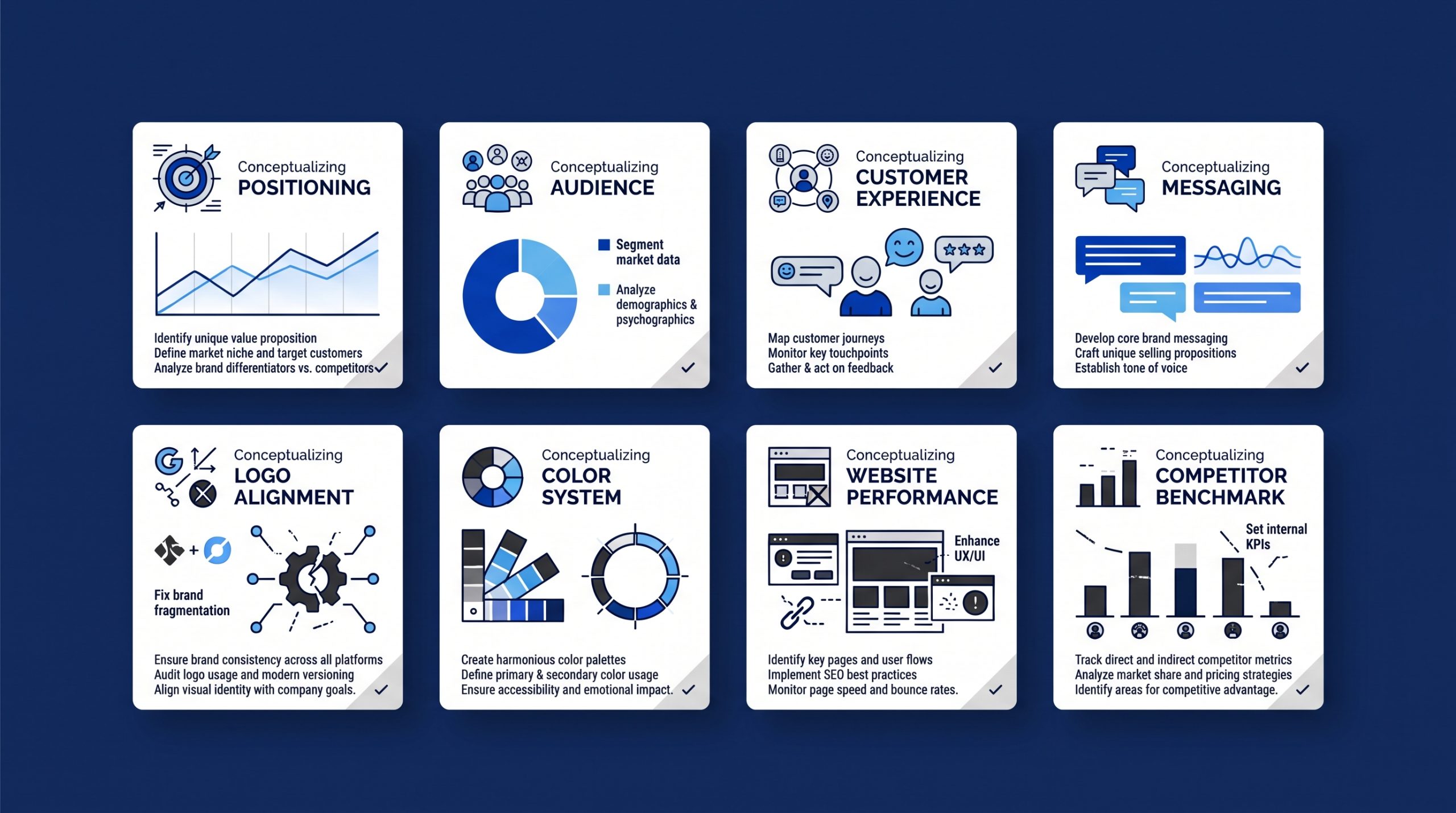 A brand audit can stop you from changing too much.
List the parts that still have value.
Which colors do customers know? Which phrases still feel true? Which services are linked strongly to the current name? Which parts of the experience already build trust?
Then list the gaps.
What feels outdated? What’s confusing? What is hard to use? What no longer supports the next stage of the business?
This helps you see whether you need a refresh or a full rebrand.
It also helps protect the brand value you have already built.
BSD Perspective
At BSD, we see rebranding as a business decision before it becomes a design project. The goal is not to make a company look new for the sake of it. The goal is to make the brand fit the business, audience, and direction more clearly.
A rebrand works best when the reason is clear.
Maybe the business has grown. Maybe the audience has changed. Maybe the old identity no longer reflects the level of work being delivered.
Once the reason is clear, design becomes easier.
You know what needs to stay. You know what needs to change. You can build a system that supports the next stage instead of starting from taste alone.
Rebrand Because the Business Changed, Not Because You Got Bored
When is it time to rebrand? The answer is usually not tied to the age of your logo. It is time to look closer when the brand no longer reflects the business, audience, position, or experience you want to build. That is a strategy problem first.
You may not need a full rebrand.
A refresh may solve the gap.
But if the old identity keeps making growth harder, the cost of doing nothing can become larger than the cost of change.
Start with a brand audit.
Find the real problem.
Protect what still works.
Then change only what the business has truly outgrown.

Related Posts

How to Tell a Brand Story People Actually Remember
A strong brand story gives people a reason to care and remember. Learn how to…


What Makes a Brand Memorable? 7 Elements That Help You Stand Out
Memorable brands are easier to recognize and trust. Explore seven elements that…

Positioning Your Expertise: The Key to Attracting Clients
Positioning your expertise helps potential clients understand your value before…