

Holiday Marketing for Small Businesses: How to Prepare for the 2026 Season
Holiday marketing has changed. Black Friday is no longer the true start of the season.
Many people plan gifts weeks before the big sale days. They compare prices. They watch creator posts. They send DMs. Some also use AI tools before they choose what to buy.
For a small business, that can sound like a lot to manage. It does not have to be.
The best advantage is simple: prepare early. Get your offer, product details, content, replies, and tracking ready before the rush. Then your team can spend less time fixing problems during the busiest weeks.
Meta’s 2026 Holiday Insights Center shows how social media, DMs, creators, AI, and shopping now connect. Many of its figures refer to people who use Meta platforms. Keep that in mind when reading the numbers.
Start Early and Build an Offer Worth Noticing
Holiday marketing for small businesses should start before the busiest sales days. Early planning gives you time to shape the offer and prepare your content. You can also test the buying process before feeds, inboxes, and ad space get crowded.
Attentive’s 2026 Consumer Pulse research found that 83% of consumers start planning holiday purchases before Black Friday. It also found that 71% expect to shop before Black Friday.
Basis found a similar pattern. Its 2026 Holiday Shopping and Advertising Trends report says 68% of consumers shop early to avoid delays. It also found that 57% look for deals throughout the year.
This does not mean you need Christmas posts in August. It means the plan should be ready early.
Start with one clear offer. What do customers get? Why does it matter? How long does it last? What should they do next?
You also do not need a huge discount. Small businesses can compete through ease and value. Try gift bundles, free local delivery, gift wrapping, seasonal packages, early booking perks, or simple pickup options.
Then test the message. Could a new customer understand the offer in a few seconds? If not, make it simpler.
Turn Social Media and DMs Into Your Holiday Storefront
Facebook, Instagram, and DMs can shape what customers do next. The final sale may still happen somewhere else. Keep your profiles current, make products easy to find, and plan for fast replies so shoppers can move forward with less effort.
Meta reports that 85% of shoppers who use its platforms have bought something in a physical store after seeing it on social media.
That means your profile is part of the shopping trip. It is not just a place to post.
Before the rush, check the basics. Are your holiday hours right? Does the bio link work? Can people find your address, products, booking page, or current offer quickly?
Your posts also need different jobs. A clear social media strategy can help you mix tips, product details, proof, reminders, and sales posts. This keeps the feed useful without making every post feel like an ad.
DMs matter too. Meta says 59% of shoppers who use its platforms message businesses during the holidays. It also says 33% use messages to find products. Another 26% use them to make payments.
A DM may come from someone who is already close to buying.
Prepare simple answers for common questions. Cover stock, sizing, shipping, pickup, hours, booking slots, payment methods, and return rules.
Meta Business Agent can answer some business questions and suggest products from a catalog. It may help with the first reply. Still, give customers a clear way to reach a person when they need more help.
Use Creators and AI to Help Shoppers Decide
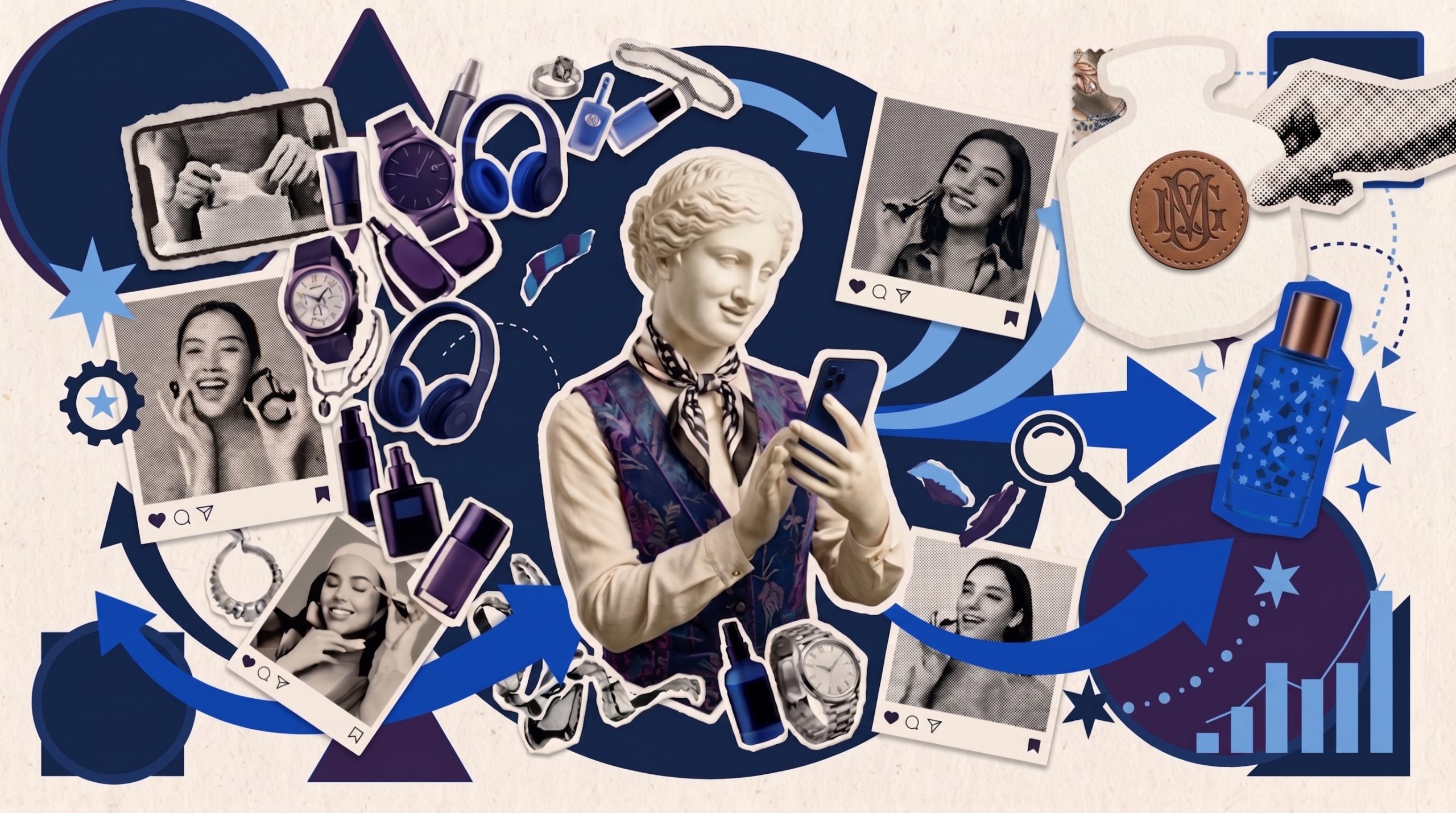
Holiday shopping does not follow one straight path. A shopper may see a creator post, ask AI for ideas, compare options on social media, and visit your site before buying. Clear product details help your business stay useful at each step.
Meta says 94% of shoppers who use its platforms look to creators for holiday shopping ideas. For a small business, that does not mean hiring a famous influencer.
A smaller creator may be a better fit. A local food creator can suit a nearby restaurant. A fitness creator may fit a wellness brand. A loyal customer with a trusted voice can also be useful.
AI is now part of gift research too. Meta says almost one in four global shoppers used AI during the last holiday season.
Google’s 2026 holiday shopping research adds more context. It found that shoppers who use AI notice more steps and sources during the buying process than shoppers who do not use AI.
The lesson is simple. Your product details need to be clear wherever people find them.
Use exact product names. Keep prices and stock up to date. Write plain descriptions. Add strong photos. Make shipping, booking, and return details easy to see.
AI may help a shopper find your business. Clear details can help them trust it.
Make Every Click Easier to Convert
Holiday marketing does not end when someone clicks a post or ad. Your website, mobile pages, checkout, booking flow, and tracking still need to work. Fixing small problems can be more useful than paying for more traffic.
Salesforce’s 2026 holiday retail outlook shows why. In Q2 2026, mobile made up about three-quarters of global online traffic. Social also sent more visits to online stores. Yet many shoppers still left without buying.
More traffic does not always mean more sales.
Test the full path on your own phone. Start with a social post. Open the link. Find the item. Add it to the cart or try to book. Check if delivery, pickup, fees, and deadlines are easy to understand.
Each unclear step gives the shopper one more reason to leave.
Paid ads need the same care. Meta’s holiday materials cite an average return of more than $4 for every $1 spent by advertisers. That is a broad platform average. It is not a promise for every business.
If your budget is small, good tracking matters even more. Check Meta Pixel and Conversions API before you raise spend. Decide which actions matter. Then make sure those actions can be tracked.
Once the campaign is live, use social media analytics to connect attention with results. Look at site visits, enquiries, bookings, and sales. The goal is not to spend more because it is the holidays. The goal is to see what is worth more budget.
Connect the Campaign, Measure What Matters, and Stay Flexible
Your holiday campaign should feel connected across social media, email, your website, ads, DMs, and the store. Keep the offer and key dates the same. Then use customer actions to adjust the plan while there is still time.
Each channel has a different job. Social media can introduce the offer. Creator content can build trust. DMs can answer questions. Your website can give full details. Email can bring people back before a deadline.
This is why social media and email marketing can work well together. One helps people find you. The other helps you stay in touch after they show interest.
September: Set the main goal. Choose the offer, key products, dates, stock limits, and what your team can handle.
October: Prepare the main creative, landing pages, emails, product details, auto replies, creator briefs, and tracking. Test them before demand rises.
November: Increase visibility. Watch the data. See which posts, products, emails, and ads lead to useful actions.
December: Make key details easy to find. Show shipping cutoffs, pickup options, stock, booking deadlines, and last-minute choices.
January: Review the campaign while it is still fresh. Save the best creative, common questions, sales patterns, and channel results for next year.
Do not track every number just because it is there. Focus on the numbers that help you make a choice.
If reach is high but profile visits are low, the content may not give people a reason to learn more. If product views are high but sales are weak, check price, shipping, trust, and checkout. If the same question keeps coming through DMs, add that answer to your public content.
The goal is not to be everywhere at once. It is to make the places where customers already find you work better together.
If you need help linking content, messages, ads, and tracking, BSD’s social media marketing can help turn those parts into one clear plan.
Start before the rush. Keep the message simple. Watch what customers do. Then improve the campaign while there is still time.

Related Posts
Social Media Analytics Made Easy
Social media analytics helps you understand what works, what needs to change,…

Social Media Content Planning: What Should Your Business Post?
Not sure what your business should post on social media? Use content pillars,…
Social Media and Email Marketing: Why You Need Both
Social media is great for discovery, but your audience should not live entirely…