

Ever wonder what all those likes, shares, and comments really mean? Social media analytics helps you understand how people respond to your content.
It turns everyday platform data into useful clues for your next marketing move!
Social media analytics plays a key role in modern marketing.
It can show how your audience behaves, what content gets a response, and whether campaigns support your goals. These insights can help brands improve both organic content and paid campaigns.
The key is context. Do not treat every increase as a win on its own.
Look at reach, interactions, profile activity, follows, views, traffic, and conversions together. This is an important part of learning to do digital marketing like a pro.

Social Media Analytics Unwrapped!
Social media analytics shows how people find, view, and respond to your content. It helps you see what works, what does not, and where your strategy may need to change.
It goes beyond likes and comments. You can use the data to understand your audience, spot patterns, and make better marketing choices.
Here are five types of social media analytics worth knowing:
- Performance Tracking: Shows how your posts and campaigns perform.
- Competitive Analysis: Compares your results with your competitors.
- Social Listening: Tracks conversations and mentions of your brand.
- Sentiment Analysis: Shows how people feel about your brand or content.
- Industry Benchmarking: Compares your results with industry standards.
You do not need to track everything at once.
Start with the metrics that match your goal. If you want more awareness, look at reach and views. If you want stronger engagement, focus on how people interact with your content.
Most importantly, do not read these numbers on their own.
Performance data tells you what happened. Social listening adds context by showing what people are saying.
Together, these insights give you a clearer picture of your audience and what to do next.
Why Digital Marketing Agencies are your Secret Sauce
Social media data is only useful when you know what it means. A digital marketing agency can help turn those numbers into clear actions for your content, campaigns, and overall strategy.
Think of an agency as an extra set of expert eyes.
Instead of simply telling you that reach went up or engagement dropped, they look at why it happened and what you should do next.
That can mean finding the content your audience responds to, spotting where ad spend works best, or seeing which platform deserves more attention.
Turning Numbers Into Next Steps
Analytics can help an agency answer practical questions:
What content is working?
Reach and engagement can show which topics and formats connect with your audience.
Where should your budget go?
Campaign data can show which audiences, ads, and platforms are producing better results.
What should you change?
Patterns in your reports can reveal what to keep, improve, or test next.
How do you compare?
Competitor and industry data can provide context, but your own goals should always come first.
The goal is not to make reports more complicated. It is to make the numbers easier to use.
This works best when your analytics connects to a social media strategy built around clear business goals.
What Social Media Analytics Looks Like in Practice
Social media results are easier to understand when you look at several metrics together. In this BSD client example, reach, interactions, profile visits, follows, and views all increased. Together, they show stronger visibility, audience response, and interest in the account.
One number rarely tells the whole story. These client results show why it helps to read social media metrics together.
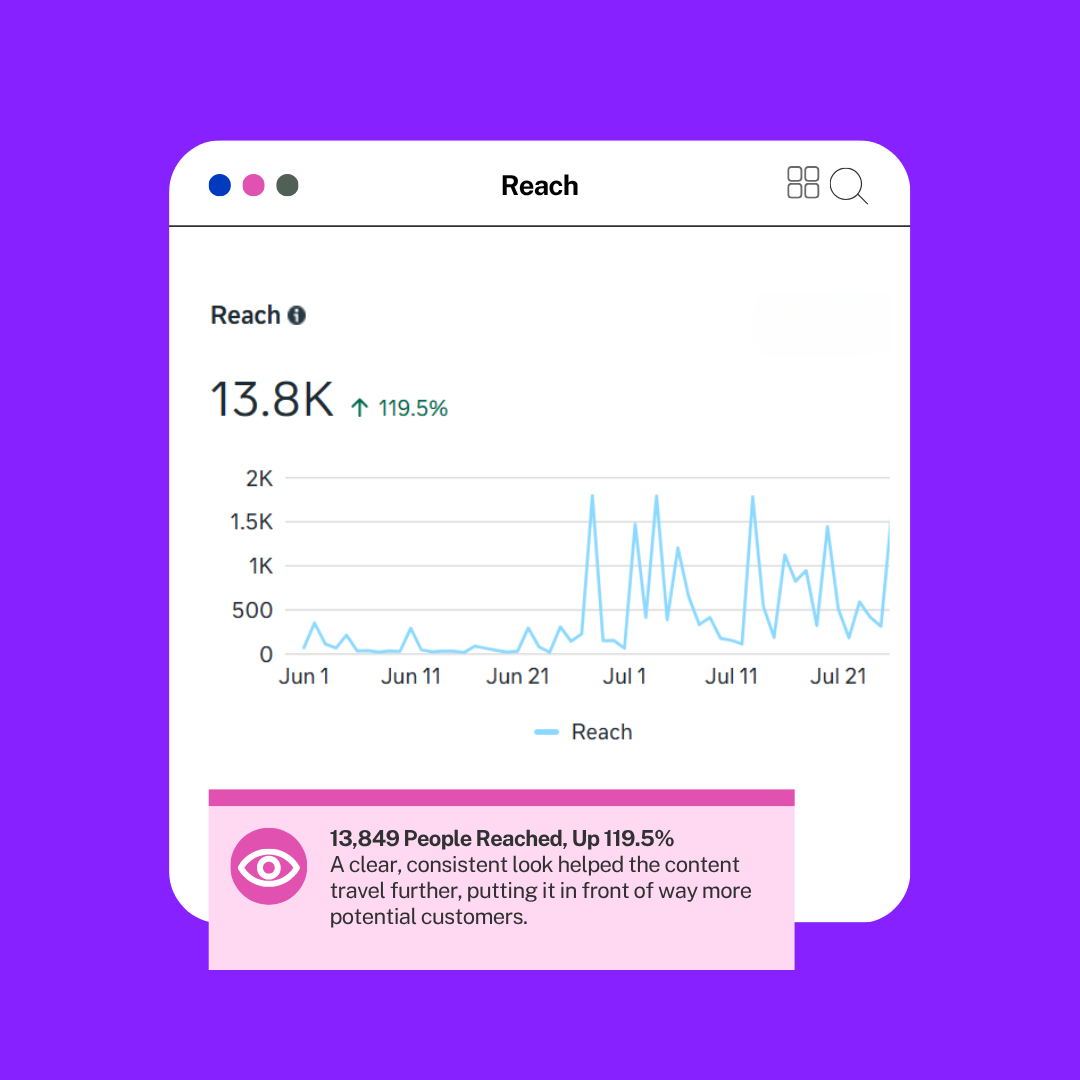
Reach answers a simple question: how many unique people saw the content? Here, reach grew by 119.5%. That is a strong sign of visibility. The next question is what those people did after they saw the content.
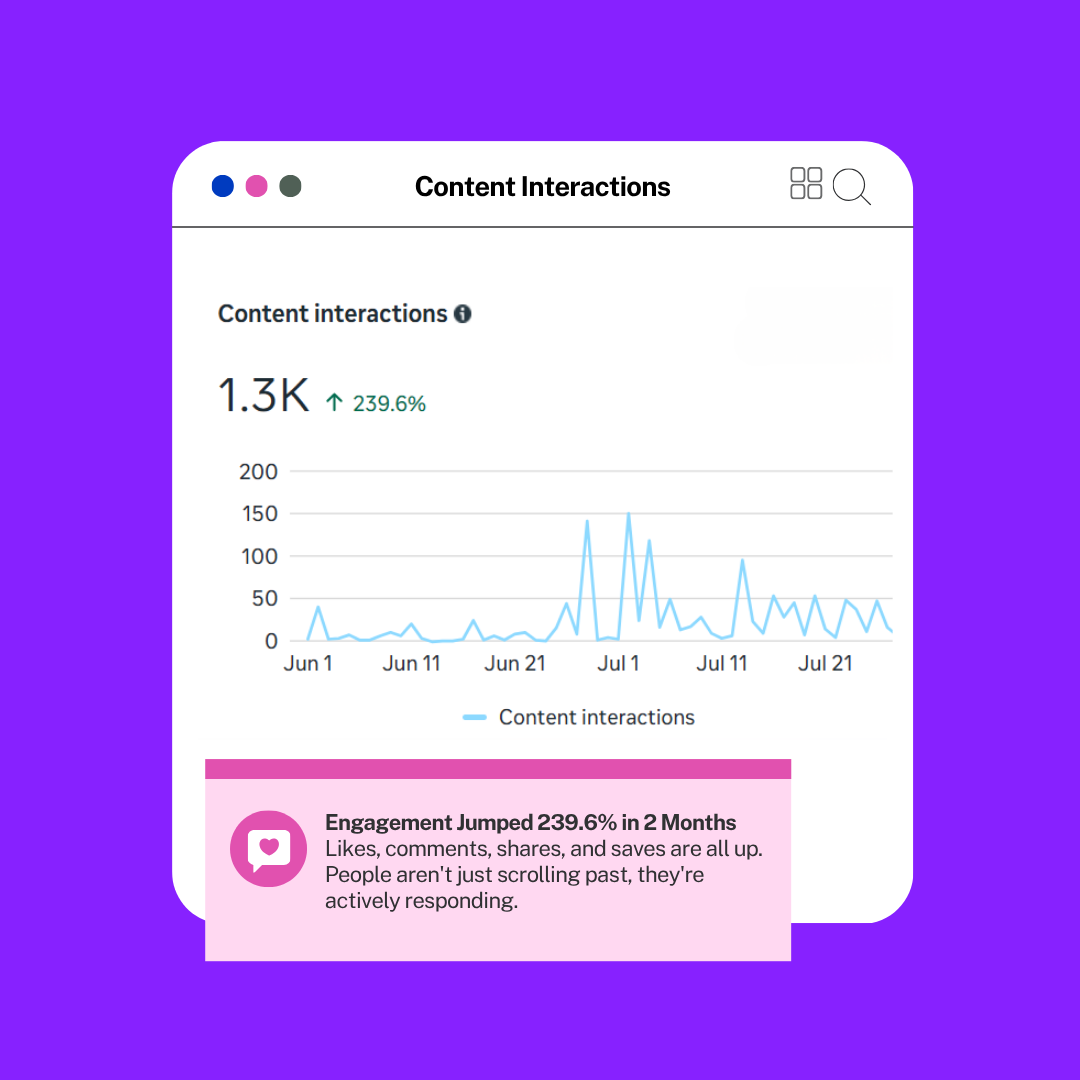
Content interactions add another layer. Here, interactions rose by 239.6%. The growth was not only about more people seeing the content. People also responded through likes, comments, shares, and saves.
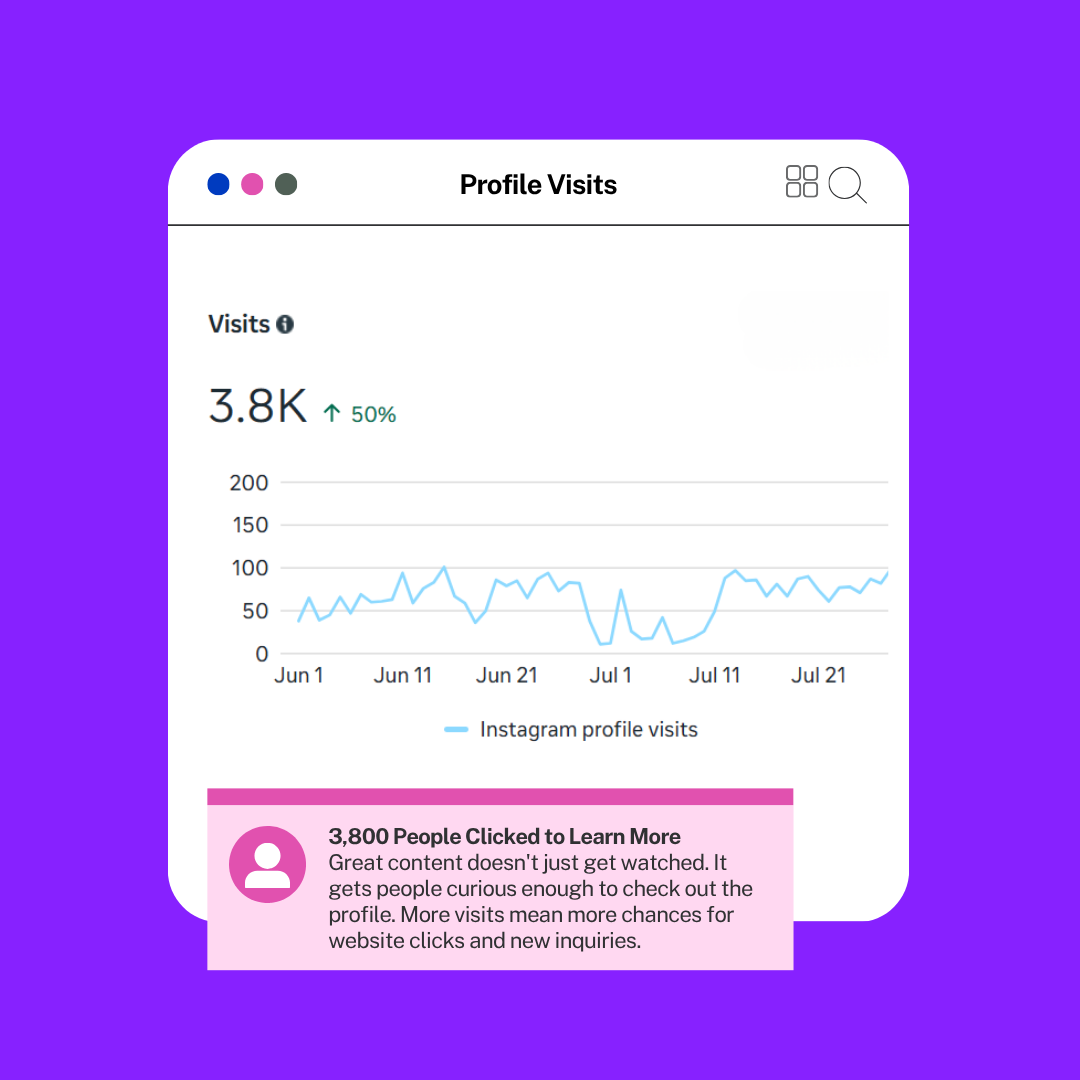
Profile visits can show curiosity. They are not the same as website visits, leads, or enquiries. Still, they show that people moved from seeing one post to checking the account itself.
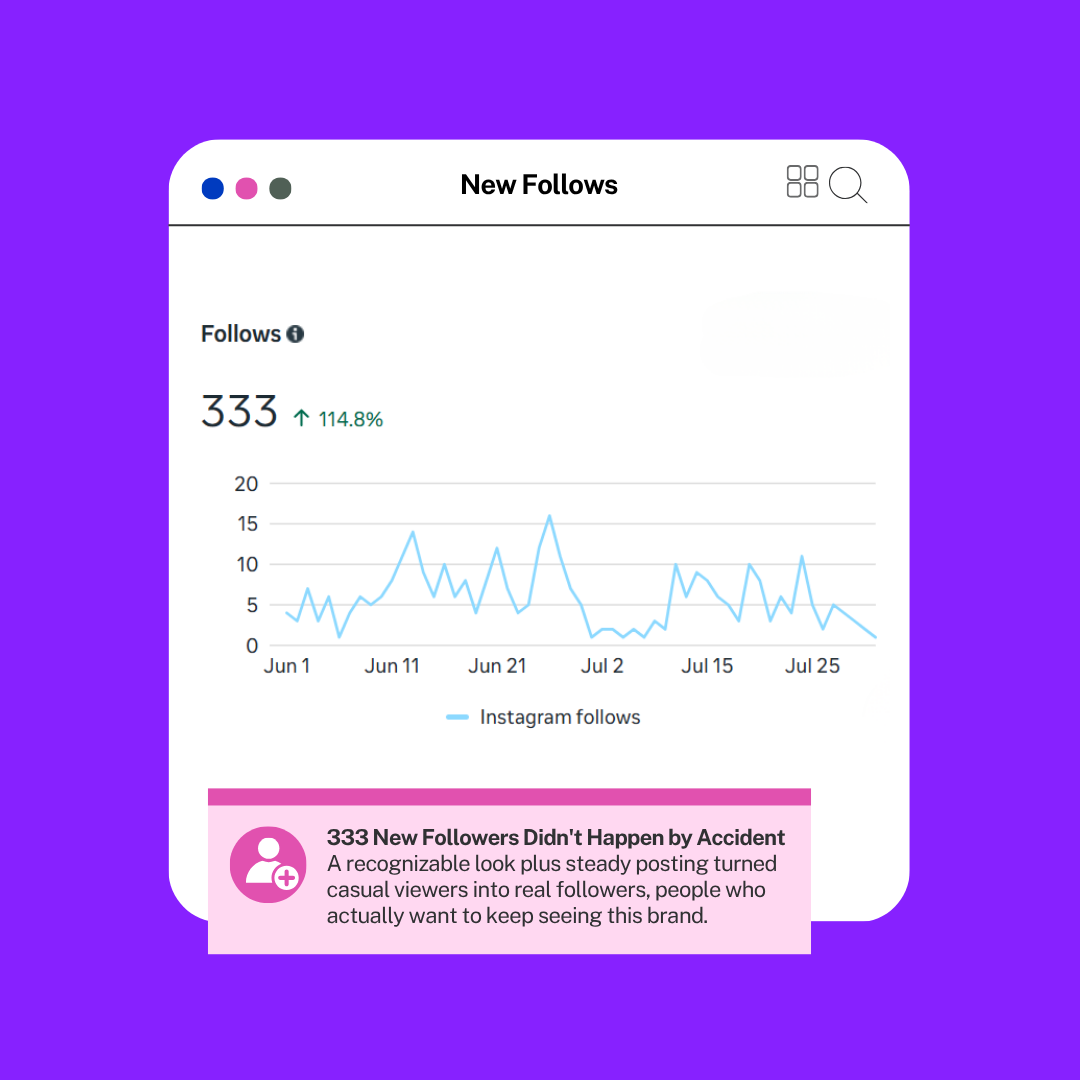
Follower growth is often called a vanity metric, but context matters. Here, new follows rose along with reach, interactions, and profile visits. That makes follower growth part of a wider story about audience interest.
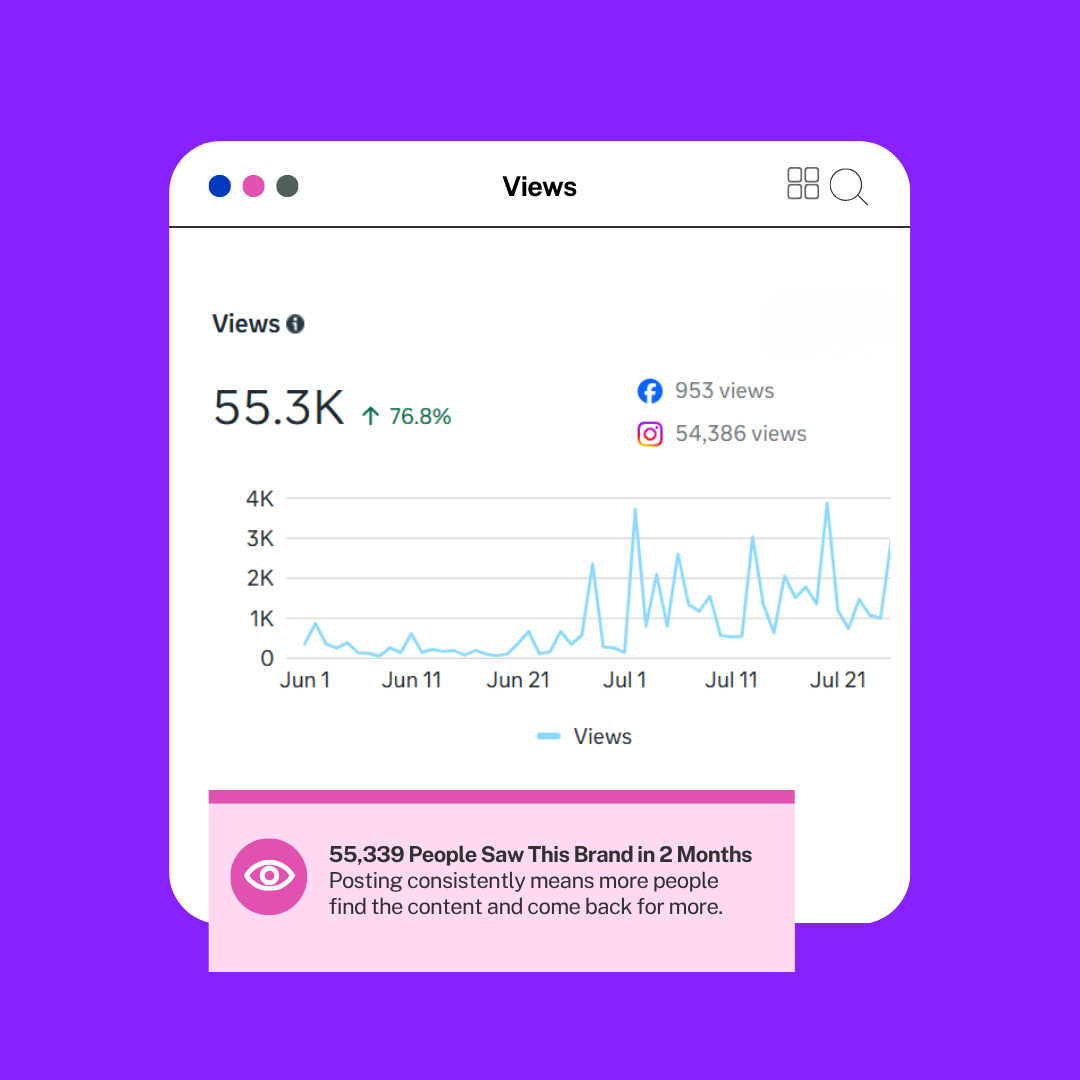
Views show how much content people consumed. They can also show where attention is strongest. In this report, most views came from Instagram. That gives the team a reason to look closer at which Instagram topics and formats worked best.
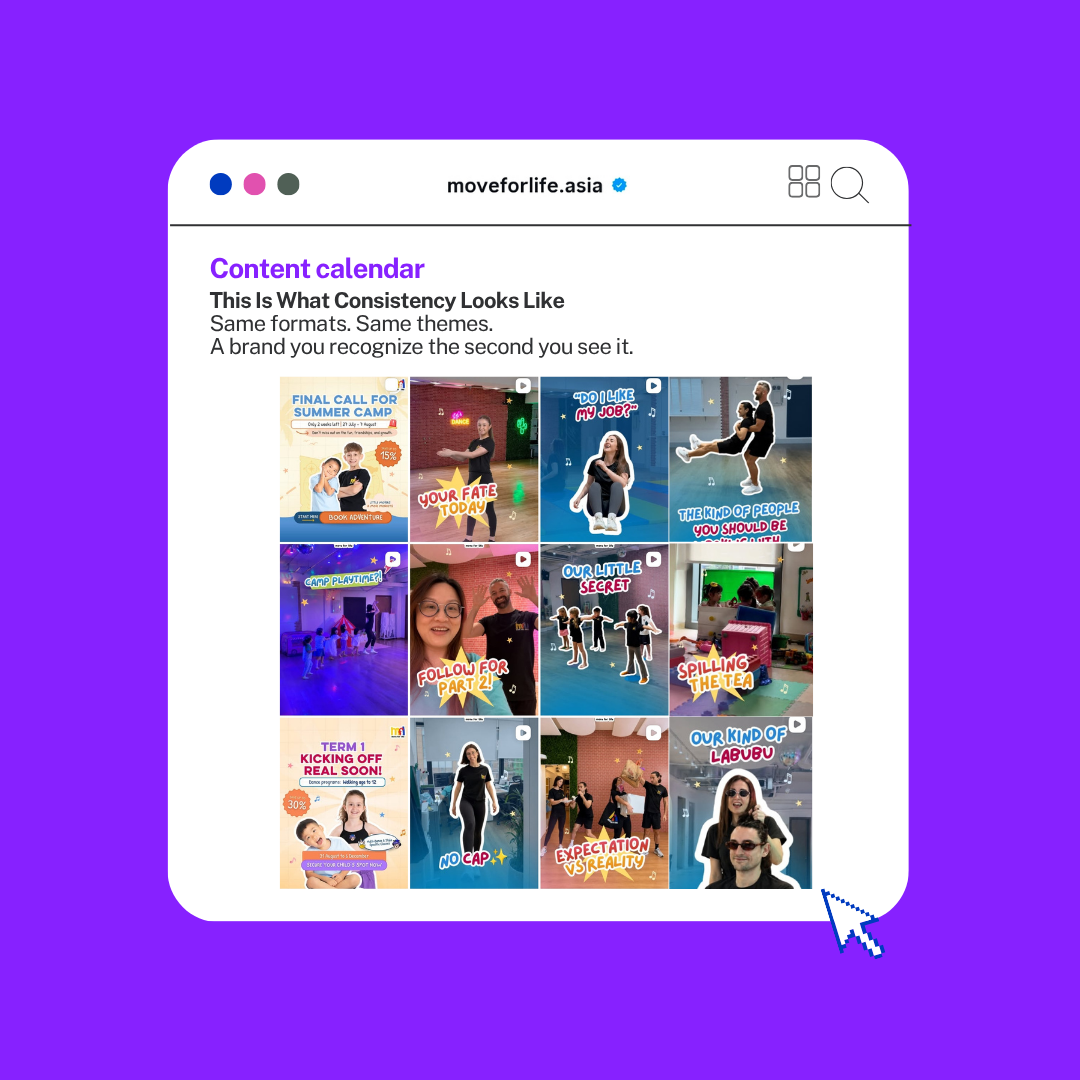
The content calendar adds useful context.
Repeated themes and familiar formats make it easier to compare results over time.
Consistency does not prove that one factor caused every increase. It does, however, give marketers more data to spot patterns and test new ideas.
Rev Up and Refine Your Social Media Analytics
Analytics tools can collect data, track conversations, and show trends. But the tool itself is not the strategy. The best setup helps your team focus on the numbers that match its goals. Then you can use them to make clearer content, campaign, and budget choices.
Different tools can help businesses track social media data.
Qualtrics and Meltwater can support research, listening, monitoring, and analysis. Social platforms also have their own dashboards. These give teams direct performance data for regular reports.
With social media analytics tools, agencies and internal teams can report on key metrics like:
Audience Demographics: Who is engaging with your brand?
Post Reach: How many unique people are seeing your content?
Engagement Rates: How is your audience interacting with your posts?
Posting Patterns: When does your audience tend to be active, and how does performance vary by timing?
Brand Mentions: How often and where is your brand being discussed?
These metrics still matter, but add one question to each one: what decision will this number help us make?
Do not stop at ‘reach increased.’ Ask whether you should repeat a format, change the message, test a CTA, focus on a platform, or check website and conversion data.
Mastering Digital Marketing Like a Pro
To do digital marketing like a pro, you need more than numbers. You need to know what they mean and what to do next.
Social media analytics helps you see what is working.
Which posts get noticed? Which ones get people to engage? Which ones make people want to learn more?
The client results above show this clearly.
Reach increased. Engagement grew. More people visited the profile. Views and follows also went up.
One number cannot tell the whole story. But together, these metrics show how people are responding to the content.
They also help you decide what to repeat, improve, or test next.
Social media can also work with your other channels. Our guide to social media and email marketing shows how the two can support each other.
Need help connecting your data with your strategy? BSD’s social media marketing brings content, insights, and execution together.
That is what it means to do digital marketing like a pro. Track what matters. Understand the results. Then use them to make your next move better.


Related Posts
Holiday Marketing for Small Businesses: How to Prepare for the 2026 Season
Holiday shoppers are starting earlier and moving between social media, DMs,…

Social Media Content Planning: What Should Your Business Post?
Not sure what your business should post on social media? Use content pillars,…
Social Media and Email Marketing: Why You Need Both
Social media is great for discovery, but your audience should not live entirely…
[…] still matter. They can help you understand how people respond to your content. Looking at your social media analytics can also show which content is helping you move closer to your business […]