
Social Media Strategy: How to Support Business Goals
How to Build a Social Media Strategy That Supports Business Goals

Posting on social media is easy. Posting with a clear purpose is harder.
Many businesses share content several times a week. They follow trends, create graphics, post videos, and track likes. Their reach may even grow.
But there is a bigger question to ask:
What is social media actually doing for the business?
A strong social media strategy connects your content to clear business goals. Every post should have a reason for being there. Every platform should serve a purpose. And every metric should help you understand whether your efforts are working.
Instead of starting with, “What should we post this week?” start with a better question:
“What does the business need to achieve?”
Then decide how social media can help you get there.
What Is a Social Media Strategy?

A social media strategy is a clear plan for how your business will use social platforms to reach its marketing goals.
It helps answer a few basic questions:
- Who are you trying to reach?
- What do you want them to do?
- Which platforms should you use?
- What type of content should you create?
- How often should you post?
- What results should you measure?
Without a strategy, social media can quickly become a cycle of creating content just to stay active.
You post because Tuesday is approaching. You make a Reel because everyone else is making Reels. You join a new platform because it seems popular.
There may be plenty of activity, but no clear direction.
A strategy changes that. It gives your social media a job to do.
1. Start With Your Business Goals

Before thinking about platforms or content, look at what the business needs.
This is where many social media plans go wrong.
Businesses often start with goals such as:
“We need more followers.”
“We should post more often.”
“We need to make more videos.”
“We should be on TikTok.”
These are social media activities. They are not business goals.
Your actual business goal may be to:
- generate more qualified leads
- increase sales
- enter a new market
- build brand awareness
- attract a certain type of client
- increase website traffic
- build customer loyalty
- become a trusted name in your industry
Once the business goal is clear, you can decide how social media will support it.
For example, imagine a consulting firm wants more qualified enquiries.
Its strategy should not simply aim to “grow Instagram.”
Instead, the plan might look like this:
Business goal: Generate more qualified enquiries.
Social media goal: Encourage potential clients to move from social content to the company's website.
Content: Expert advice, common client problems, FAQs, case studies, and industry insights.
CTA: Visit a service page or book a consultation.
Measurement: Website visits, enquiries, leads, and conversions from social media.
Now the content has a destination.
That is the difference between simply being active and using social media as part of a wider marketing strategy.
2. Focus on a Few Clear Social Media Goals
It is tempting to make social media responsible for everything.
You want more followers. More comments. More website traffic. More leads. More sales. More views. More shares.
When everything becomes a priority, it becomes harder to know what is working.
Start with two or three main goals instead.
For example:
| Business Need | Social Media Goal | What to Measure |
| More visibility | Increase brand awareness | Reach, impressions, mentions |
| More website traffic | Send people to the website | Link clicks, sessions, CTR |
| More leads | Generate enquiries | Leads, forms, bookings |
| More authority | Build trust | Saves, shares, profile visits |
| Better relationships | Build a community | Comments, replies, DMs |
| More sales | Support conversions | Sales, conversions, revenue |
This also helps you avoid focusing too much on vanity metrics.
Likes and views can tell you whether people notice your content. Follower growth can show that your audience is expanding.
But those numbers need context.
A post with 50,000 views may look successful. Yet if your goal is to attract qualified clients and none of those viewers take the next step, the view count does not tell the whole story.
Ask what each metric means for the goal you are trying to reach.
3. Make Your Goals Specific
“Get more leads” sounds like a goal, but it is still too broad.
How many leads?
From which platform?
Over what period?
A useful social media goal should be clear enough to measure.
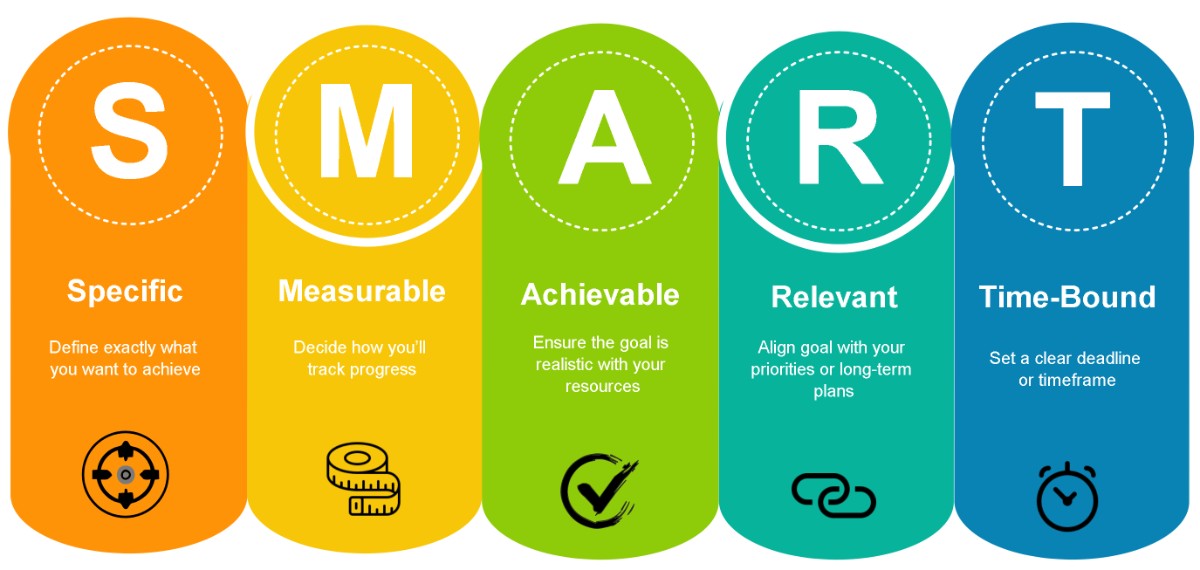
The SMART framework can help. A goal should be:
Specific: What do you want to achieve?
Measurable: How will you track it?
Achievable: Is the target realistic?
Relevant: Does it support a real business need?
Time-bound: When should you achieve it?
Instead of saying:
Get more leads from social media.
You might say:
Increase qualified website enquiries from LinkedIn by 20% over the next three months.
Now your team knows what success looks like.
It also becomes easier to decide where to spend time and budget.
4. Understand Who You Need to Reach
Your audience should shape your social media strategy.
Think beyond age, location, and job title.
You also need to understand what your ideal customers care about. Social media listening can help you understand what your audience is saying, asking, and responding to online.
Ask:
- What problems are they trying to solve?
- What questions do they ask before buying?
- What makes them hesitate?
- What information helps them make a decision?
- Where do they spend time online?
- What would make them trust a business like yours?
- What action do you want them to take next?
The answers should influence your content.
For example, a potential client who is still learning about a problem may need simple educational content.
Someone comparing service providers may want case studies, examples, testimonials, or a clear explanation of your process.
Someone ready to buy may need a strong service page and an easy way to get in touch.
Your goal is not to attract everyone who could engage with a post.
You want to attract the people who matter to your business.
5. Choose the Right Social Media Platforms
Your business does not need to be everywhere.
Trying to maintain five platforms can spread a small marketing team too thin. The result is often rushed content and inconsistent posting.
Instead, choose platforms based on your audience and goals.
Ask:
Is our target audience here?
What are they doing on this platform?
What type of content performs well here?
Can our team create that content consistently?
What role will this platform play in our marketing?
One platform may be useful for reaching new audiences.
Another may help you build authority.
Another may be better for conversations with your existing community.
A platform can also help move interested prospects to your website or landing page.
The key is to give each platform a purpose.
Do not use a platform simply because other businesses are there.
6. Create Content Pillars That Support Your Goals
Once you know your goals, audience, and platforms, you can decide what to post.
Content pillars help keep your social media focused.
These are the main themes your brand talks about regularly.
For example, a service-based business could use five pillars:
Education
Answer questions and explain problems your audience faces.
Expertise
Share useful opinions, advice, and insights from your team.
Proof
Show case studies, testimonials, results, examples, and past work.
Brand
Show what your company believes, how you work, and what makes your approach different.
Conversion
Talk about your services and give interested people a clear next step.
Each pillar has a purpose.
That means you are no longer creating content because you simply need “something to post.”
Your content starts supporting a wider goal.
7. Give Every Post a Job
Not every social media post needs to make a sale.
In fact, constantly asking people to buy can make a brand feel too promotional.
Different posts can support different parts of the customer journey.
Think of it like this:
Attract → Educate → Build Trust → Convert → Retain
A short video might introduce someone to your brand.
An educational carousel can help them understand a problem.
A case study can show that your team knows how to solve it.
A service-focused post can give them a reason to contact you.
Customer-focused content can help maintain the relationship after the sale.
Each post has a different role. But all of them support the same wider strategy.
This is also where brand consistency matters.
Your social media should feel connected to your website, emails, ads, proposals, and other marketing materials.
Imagine seeing a polished, professional company on LinkedIn. You click through to its website, and suddenly the messaging, visuals, and tone feel completely different.
That gap can create doubt.
Your social media should not feel like a separate version of your company. It should strengthen the brand people see everywhere else.
8. Build Your Content Calendar Around the Strategy
A content calendar is useful, but it should not come first.
Start with the strategy. Then build the calendar.
Otherwise, you may end up with a well-organised schedule full of content that has no clear purpose.
Your content calendar can include:
- topic
- content pillar
- platform
- format
- audience
- goal
- CTA
- publish date
- campaign
- KPI
For example:
| Content | Goal | CTA | Main KPI |
| Educational carousel | Awareness | Save or share | Reach and saves |
| Expert insight | Authority | Follow or learn more | Shares and profile visits |
| Case study | Consideration | Read the case study | Website visits |
| Service post | Lead generation | Book a call | Enquiries |
Adding these details changes how you plan content.
Instead of asking only:
“What are we posting?”
You also ask:
“Why are we posting it?”
That simple question can make your content calendar much more useful.
9. Use Clear Calls to Action
If people engage with your content, what should they do next?
Sometimes the answer is nothing. A post may exist mainly to educate or build awareness.
But when there is a logical next step, make it clear.
Your CTA might ask people to:
- visit your website
- read another article
- download a guide
- view a service
- send a message
- book a consultation
- subscribe to an email list
- save or share the post
The CTA should match the content.
Someone discovering your brand for the first time may not be ready to book a call.
They may be more likely to read an article or follow your account.
Someone reading a detailed case study may be much closer to making a decision.
Do not force every person toward the same action.
Give them a next step that makes sense.
10. Measure the Results That Matter
Once your strategy is running, you need to know whether it is working.
This is where your original business goal becomes important again.
If your goal is awareness, look at awareness metrics.
If your goal is website traffic, measure traffic.
If your goal is lead generation, measure leads.
This sounds obvious, but social media reports often focus on whatever numbers are easiest to find.
A report might say:
Instagram reach increased by 32%.
That sounds positive. But it leaves an important question unanswered:
What happened because of that reach?
A more useful report might say:
Instagram reach increased by 32%. This led to more profile visits and more traffic to the campaign landing page. Four qualified enquiries came from that traffic.
Now the numbers tell a story.
Likes, followers, views, and impressions still matter. They can help you understand how people respond to your content. Looking at your social media analytics can also show which content is helping you move closer to your business goals.
They simply should not exist without context.
The best metric is the one that helps you understand whether you are getting closer to your goal.
11. Connect Social Media With the Rest of Your Marketing
Social media works better when it is part of a larger system.
A potential customer may first discover you on Instagram.
Later, they may visit your website.
A few days after that, they may read one of your blogs.
Then they may join your email list, see an ad, read a case study, or return to your social media page.
The final enquiry may happen weeks later.
This is why social media should not work on its own.
Your social content, website, SEO, email marketing, paid campaigns, and sales materials should support one another.
They should also communicate the same core message.
When these channels work together, customers get a clearer picture of who you are and what you offer.
That makes your marketing easier to understand and easier to trust.
12. Review and Improve Your Strategy

A social media strategy is not something you create once and forget.
Your audience changes. Platforms change. Business goals change. Some content will perform better than expected. Other content will fall flat.
Review your strategy regularly.
Ask:
- Which posts support our business goals?
- Which topics attract the right audience?
- Which platforms bring useful results?
- Which content drives website visits?
- Which posts generate enquiries?
- Where are potential customers dropping off?
- What should we stop doing?
- What should we do more often?
Do not be afraid to change the plan.
More content is not always the answer.
Sometimes your business needs fewer platforms.
Sometimes you need clearer messaging.
Sometimes you need better calls to action.
And sometimes you need to stop chasing numbers that have little connection to your goals.
The purpose of reviewing your strategy is not simply to improve your social media performance.
It is to make social media more useful to the business.
Your Social Media Needs a Destination
A busy social media account can look successful.
Posts are going out. Reach is increasing. Followers are growing. Reports are full of numbers.
But being busy does not always mean you are making progress.
A good social media strategy gives all that activity a clear destination.
Start with four questions:
What does the business need to achieve?
Who do we need to reach?
How can social media help?
How will we know if it worked?
Once you can answer those questions, the rest becomes much easier.
You can choose platforms with more confidence. You can create stronger content pillars. Your calendar becomes easier to plan. Your reports become more useful.
Most of all, social media stops being something your business does because it feels necessary.
It becomes part of a marketing system built around real business goals.
If your team is posting consistently but struggling to connect social media activity with business results, Brightsand Designs can help bring the pieces together. We work alongside existing teams to strengthen strategy, content, and execution. The goal is not to replace what is already working. It is to help your marketing work together with a clearer direction.


Marketing vs. Sales: Separate in Traditional Business, Unified in E-Commerce?
For decades, businesses have operated under the clear assumption that marketing and sales are two distinct functions—each with its own role in the customer journey. Marketing focuses on building awareness and generating leads, while sales converts that interest into paying customers. This separation has worked well for traditional businesses where human interaction is a key part of closing deals. But is this same distinction as relevant in the world of e-commerce?
The rapid rise of online stores and digital sales channels has changed the way businesses operate. The line between marketing and sales has become increasingly blurred. In e-commerce, many tasks traditionally handled by salespeople are now managed by marketing teams through digital tools and automation. But does this mean marketing has effectively become sales in e-commerce?
Let’s explore the differences and why the traditional separation may no longer apply in the world of e-commerce.
Traditional Business: The Clear Divide Between Marketing and Sales
In a traditional business model, such as brick-and-mortar retail stores, professional services like real estate, law firms or consultancies, and B2B companies in manufacturing or distribution, marketing and sales have always been seen as separate but complementary functions, each responsible for different stages of the customer journey.
-
Marketing's Role is focused on the top of the funnel creating awareness, generating interest, and nurturing leads. It uses channels like advertising, social media, content marketing, and events to attract potential customers.
-
Sales' Role works the bottom of the funnel converting interested leads into actual customers. Sales teams use direct interaction whether it's face-to-face, phone calls, or emails to address customer concerns, negotiate deals, and close sales.
In this model, the handoff from marketing to sales is clearly defined. Marketing warms up the leads, and when a prospect is ready to make a decision, they are handed over to the sales team to close the deal. Both functions play critical but distinct roles and rely on smooth collaboration to convert interest into revenue.

E-Commerce: Where Marketing and Sales Blur Together
In the world of e-commerce, the situation is different. Many businesses operate without a traditional sales team, relying on automated processes, data, and digital experiences to drive purchases. This shifts a significant portion of the customer journey into the hands of the marketing team. So, is marketing effectively taking over the sales role in e-commerce? In many ways, the answer is yes.
Here’s why:
1. Digital Customer Journey
In e-commerce, customers don’t need a salesperson to guide them through the buying process. Instead, they interact with your website, product descriptions, and automated tools like chatbots and email follow-ups. The entire buying journey can happen without any human sales interaction, and marketing handles most of this journey.
2. Conversion Optimization
Marketing is no longer just about creating awareness and driving traffic to a site. In e-commerce, marketing teams are also responsible for optimizing the user experience ensuring that visitors move seamlessly from browsing to buying. This includes everything from website design to checkout flow and even abandoned cart reminders. These are traditionally sales-oriented tasks that have now shifted into marketing’s domain.
3. Customer Support and Objection Handling
In traditional businesses, a salesperson would handle customer objections, answer questions, and build trust. In e-commerce, live chat, FAQs, return policies, and customer reviews—all managed by marketing—serve the same purpose. Marketing ensures customers have all the information they need to feel confident about making a purchase.
4. Automated Sales Processes
Many e-commerce businesses use email marketing automation and retargeting ads to re-engage potential buyers who didn’t complete a purchase. These tools effectively take on the role of a salesperson by following up with a lead. The goal is to remind customers of their interest, address concerns, and incentivize them to complete their purchase.
Has Marketing Become Sales in E-Commerce?
In e-commerce, the line between marketing and sales is indeed blurred, if not entirely erased. In traditional business, the handoff between marketing and sales is essential to move a lead from interest to purchase. But in e-commerce, marketing often handles the entire journey, from attracting visitors to converting them into buyers.
-
- Does this mean sales no longer exists in e-commerce? Not exactly. Instead of a traditional salesperson, conversion-focused strategies and data-driven insights take on the role of sales. This includes:
- Personalized product recommendations ("You might also like…")
- Upselling and cross-selling at checkout
- Time-limited offers or discounts to incentivize immediate purchase
- Cart abandonment strategies to encourage customers to return and finish their purchase
In essence, e-commerce sales is still happening but it’s carried out by marketing efforts through automation, UX, and data analysis rather than human interaction. Marketing is performing a dual function generating interest and ensuring conversion.
Why the Blurring of Lines Matters for E-Commerce Success
For e-commerce businesses, understanding that marketing is also driving sales is crucial. Treating marketing and sales as separate functions might work in traditional settings, but in e-commerce, an integrated approach is key to success.
1. Faster Customer Journeys
In e-commerce, customers move quickly from discovering a brand to making a purchase. By managing both marketing and sales efforts, the customer journey is more streamlined resulting in fewer barriers to purchase.
2. Data-Driven Decisions
Marketing teams in e-commerce have access to detailed customer data, from browsing behavior to purchasing habits. This data allows marketing to act like sales by personalizing offers and driving conversions at the right moment.
3. Consistent Messaging
When marketing controls the entire journey, from awareness to sale, customers experience a consistent, personalized message throughout. This helps build trust and leads to higher conversion rates.
Conclusion: Marketing and Sales—Separate for Traditional Businesses, Unified in E-Commerce
If you have a traditional business—such as a retail store, a service company, or a B2B operation—marketing and sales remain distinct functions. Marketing focuses on generating awareness and leads, while sales takes over when it’s time to close the deal. Each team plays a separate but vital role in moving customers through the buying process.
However, in e-commerce, these roles blend together. Marketing teams handle the entire customer journey, from attracting visitors to converting them into buyers, without a traditional sales team. Marketing becomes responsible for both generating interest and driving conversions, using automation, data, and digital tools.
Do you agree that marketing and sales have become one in the world of e-commerce? Let’s discuss how your e-commerce business can optimize this integration to boost conversions!


Consulting Firm Marketing: Standing Out in Your Niche
The consulting industry is a dynamic and highly competitive landscape where firms often specialize in specific niches. Whether your consultancy focuses on management, technology, strategy, or another domain, effective marketing is essential to standing out in your niche. In this article, we will explore powerful marketing strategies to help your consulting firm rise above the competition and establish a strong presence in your chosen field.
The Significance of Consulting Firm Marketing
Before we delve into specific strategies, let's emphasize why marketing is crucial for consulting firms. In a world where information is abundant, clients seek trusted advisors who offer not only expertise but also a distinct and recognizable brand. Effective marketing helps you build that brand, foster client relationships, demonstrate thought leadership, and extend your reach.
Branding: Crafting Your Consulting Identity
Branding is the cornerstone of effective consulting firm marketing. Your brand should reflect your consultancy's values, expertise, and unique approach. Start with a compelling brand story that communicates your firm's mission and vision.
Create a visually appealing brand identity, including a logo, color scheme, and website design that aligns with your brand story. Consistency is key—your brand should be consistently reflected across all communication channels, from your website to social media profiles and marketing materials.
Client Relationships: Building Trust and Loyalty
Consulting success hinges on trust, and building strong client relationships is paramount. Your marketing strategy should focus on nurturing these relationships.
Consider creating personalized content that addresses your client's specific pain points and challenges. Regularly engage with your clients through newsletters, webinars, and workshops. Solicit feedback and actively incorporate it into your services. Happy clients often become advocates, referring your consultancy to others.
Thought Leadership: Becoming a Trusted Advisor
Establishing thought leadership within your niche is a potent marketing strategy. Clients are drawn to consultancies with recognized experts. Share your knowledge and insights through various channels.
Start a blog on your website, addressing industry trends, challenges, and solutions. Publish whitepapers, research reports, and case studies that showcase your expertise. Consider speaking at industry conferences and webinars. As a thought leader, you not only attract clients but also become a go-to resource for industry insights.
Digital Marketing: Extending Your Reach
In today's digital age, a robust online presence is essential for consulting firms. Your website is often the first point of contact for potential clients. Ensure it's not only visually appealing but also optimized for search engines (SEO).
Invest in content marketing to improve your website's search engine ranking. Use targeted keywords related to your niche to attract organic traffic. Leverage social media platforms to share your content, engage with your audience, and demonstrate thought leadership.
Consider pay-per-click (PPC) advertising campaigns to reach a broader audience quickly. However, it's essential to target your ads effectively to avoid wasted time.
Networking: Collaborating for Growth
Networking is a powerful marketing tool for consulting firms. Collaborate with complementary businesses, both within and outside your niche. Partnerships and collaborations can lead to referrals and new opportunities.
Attend industry events, conferences, and trade shows. Participate in panel discussions or workshops to showcase your expertise. Networking not only expands your reach but also keeps you updated on industry trends and opportunities.
Measuring Success: Analytics and Metrics
An effective consulting firm marketing strategy includes measuring and analyzing your efforts' success. Implement web analytics tools to track your website's performance. Monitor social media engagement and track the effectiveness of your content marketing.
Use key performance indicators (KPIs) to measure your progress. These may include website traffic, conversion rates, client retention, and lead generation. Regularly review your metrics to refine your marketing strategy and adapt to changes in your niche.
In Conclusion
Standing out in your niche is a formidable challenge for consulting firms, but with the right marketing strategies, it's achievable. Effective branding, client relationships, thought leadership, digital marketing, networking, and analytics are essential components of a successful marketing approach. By investing in these strategies, your consultancy can gain a competitive edge, thrive in its niche, and become a trusted advisor to its clients.

Professional Services Marketing Trends to Watch
Due to technological advancements, shifting client expectations, and the need for creative marketing strategies, the world of professional services is evolving quickly. As marketing professionals, it's crucial to stay ahead of the curve by understanding and embracing the latest trends that are shaping the industry. In this article, we'll explore the key professional services marketing trends to watch and how they are influencing the way services are promoted and delivered.
Digital Transformation: A Game-Changer
The ongoing digital transformation is revolutionizing how professional services are marketed and delivered. As clients increasingly expect streamlined and tech-savvy interactions, firms must invest in digital capabilities to stay competitive.
Key Takeaway: Embrace digital transformation by investing in user-friendly websites, mobile apps, and digital communication tools. Leverage automation for routine tasks to free up time for client-focused activities.
Evolving Client Expectations
Today's clients are more informed and demanding than ever before. They seek personalized experiences, instant responses, and transparency in services. Meeting these evolving expectations is vital for client retention and attracting new business.
Key Takeaway: Prioritize client-centric marketing and communication. Leverage data to understand client preferences and tailor services and interactions accordingly.
Data-Driven Marketing
Data analytics is driving marketing decisions across industries, and professional services are no exception. Firms can harness data to gain insights into client behavior, measure campaign effectiveness, and make informed strategic decisions.
Key Takeaway: Invest in data analytics tools and talent to collect, analyze, and utilize data effectively. Develop data-driven marketing strategies that align with your firm's objectives.
Content Marketing and Thought Leadership
Establishing authority and trust is crucial in professional services. Content marketing and thought leadership initiatives, such as blogs, webinars, and whitepapers, help position firms as experts in their fields.
Key Takeaway: Develop a content strategy that showcases your firm's expertise. Create high-quality, educational content that addresses client pain points and demonstrates your industry knowledge.
Online Reputation Management
Online reviews and ratings can significantly impact a firm's reputation and credibility. Managing online reviews and ensuring a positive online presence is essential for attracting clients and building trust.
Key Takeaway: Monitor online reviews and respond promptly to feedback, whether positive or negative. Encourage satisfied clients to leave reviews and testimonials to enhance your online reputation.
Social Media Engagement
Social media platforms provide opportunities to connect with clients, share valuable content, and build brand awareness. An active and engaging social media presence can set a firm apart from competitors.
Key Takeaway: Develop a social media strategy that aligns with your brand voice and objectives. Consistently share industry insights, thought leadership, and engage with your audience.
Virtual Events and Webinars
The shift towards virtual events and webinars accelerated during the pandemic and is likely to remain a prominent marketing strategy. Hosting virtual events allows firms to reach a broader audience and showcase their expertise.
Key Takeaway: Explore virtual event platforms and consider hosting webinars on relevant industry topics. Ensure engaging content and opportunities for audience interaction.
Sustainable and Ethical Practices
Clients increasingly value sustainability and ethical practices. Firms that demonstrate a commitment to environmental and social responsibility can appeal to a growing segment of conscientious consumers.
Key Takeaway: Evaluate your firm's sustainability practices and consider ways to incorporate them into your marketing messaging. Highlight initiatives that align with client values.
Employee Advocacy
Employees can be powerful advocates for your firm. Encouraging and enabling them to share content and promote the firm's values can expand your reach and humanize your brand.
Key Takeaway: Develop an employee advocacy program that empowers and educates staff on how to engage with clients and share content on social media.
Agility and Adaptability
In a rapidly changing landscape, firms must remain agile and adaptable. Being open to experimentation, embracing change, and continuously assessing and adjusting strategies are key to long-term success.
Key Takeaway: Foster a culture of adaptability within your firm. Encourage innovation and a willingness to explore new marketing approaches.
In Conclusion
Digitalization, shifting client expectations, and data-driven strategies are driving a significant transformation in the professional services industry. Staying informed and proactive in embracing these marketing trends is essential for firms to thrive in this dynamic environment. By aligning marketing efforts with these trends, professional service providers can enhance client relationships, drive growth, and maintain a competitive edge in the industry.

Digital Marketing for Law Firms: Strategies for Success
In an era defined by digital connectivity, establishing a strong online presence is no longer optional; it's a necessity for businesses across all industries. Law firms, traditionally considered conservative and reserved, have also recognized the importance of adapting to the digital landscape. The legal profession, like any other, has undergone a significant transformation in recent years, and digital marketing has become a cornerstone of success.
If you're part of a law firm looking to thrive in the digital age, it's crucial to understand the strategies and tactics that can elevate your online presence. In this comprehensive guide, we'll explore the world of digital marketing for law firms, offering insights and strategies that can help your practice stand out in a competitive market.
Keywords Matter: SEO for Lawyers
The journey into digital marketing for law firms begins with keywords. These are the phrases and terms potential clients type into search engines when seeking legal services. For instance, someone in need of a divorce attorney might search for "divorce lawyer in [Your City]." Identifying and targeting the right keywords can significantly impact your online visibility.
Start by conducting keyword research to determine what terms potential clients are searching for in your area of practice. Tools like Google's Keyword Planner can help you identify high-value keywords with substantial search volumes. Incorporate these keywords strategically into your website's content, including practice area descriptions, blog posts, and landing pages. This will improve your search engine rankings, making it easier for potential clients to find your firm.
Content Marketing for Attorneys: Sharing Knowledge and Expertise
Content is king in the digital world, and this holds true for law firms as well. One of the most effective ways to connect with potential clients and demonstrate your expertise is through content marketing. This involves creating and sharing valuable, informative, and relevant content that addresses common legal questions and concerns.
Consider starting a legal blog on your website, where you can publish articles on various legal topics. Write about recent legal developments, offer advice on common legal issues, and provide general information that your target audience may find useful. This not only showcases your knowledge but also positions your firm as a helpful resource.
Social Media for Legal Professionals: Building Relationships
Social media platforms provide an excellent opportunity for law firms to connect with their audience on a personal level. Establishing a strong presence on platforms like Facebook, Twitter, LinkedIn, and Instagram can help you engage with potential clients and build trust.
Share informative posts, legal insights, and updates about your firm's activities. Encourage interaction by responding to comments and messages promptly. Social media is not just about promotion; it's about building relationships and establishing your firm as a trusted authority in your field.
Legal Branding: Creating a Recognizable Identity
Your law firm's brand is more than just a logo and a name; it's the perception that clients have of your practice. In the digital realm, creating a strong and recognizable brand identity is essential. Consistency is key—ensure that your brand elements, such as logos, color schemes, and messaging, are consistent across all online platforms.
Consider crafting a compelling "About Us" page on your website that tells the story of your firm, its values, and its commitment to clients. Use this space to showcase your attorneys' expertise, experience, and dedication to providing exceptional legal services.
Online Advertising for Law Firms: Reaching a Wider Audience
While organic methods like SEO and content marketing are effective, consider supplementing your efforts with online advertising. Platforms like Google Ads and social media advertising can help you target specific demographics and reach a wider audience.
Craft well-optimized ad campaigns that align with your firm's goals. Whether it's promoting a specific practice area, highlighting recent successes, or showcasing client testimonials, online advertising can amplify your firm's message.
In conclusion, digital marketing for law firms is no longer a luxury; it's a necessity for growth and success. By optimizing your online presence, creating valuable content, engaging on social media, building a strong brand, and exploring online advertising, your law firm can thrive in the digital age. Embrace these strategies, adapt to the changing landscape, and position your practice as a trusted legal authority online. Your future clients are waiting for you in the digital world—make sure they can find you.

Winning Hearts and Minds: The Role of Emotional Branding in Your Marketing Plan
Hello there, fellow marketers and business owners! Today, I want to dive into a fascinating aspect of marketing that has the potential to elevate our brands to new heights - emotional branding. In this blog post, I'll be sharing insights into how emotional branding can profoundly impact consumer behavior, build brand loyalty, and foster genuine connections with our target audience.
At Brightsand Designs, we understand the power of emotional branding and its potential to transform businesses. We are dedicated to helping our clients craft compelling brand stories that resonate with their audience on a deep, emotional level. Our team of devoted digital architects specializes in tailoring marketing solutions that incorporate emotional appeal, making your brand stand out in the digital landscape.
Crafting a Compelling Brand Story
One exemplary way to achieve emotional branding is by crafting a compelling brand story. At Brightsand Designs, we collaborate closely with our clients to understand their vision, values, and purpose. By weaving these elements into a captivating narrative, we create a brand story that resonates with your audience, fostering a meaningful connection that lasts.
Understanding Consumer Psychology
To embark on emotional branding, we need to understand the psychology behind consumer behavior. At Brightsand Designs, we conduct in-depth research and analysis to identify the emotions that align with your target audience. By knowing what truly moves your customers, we can create messaging that evokes the right emotions, leading to stronger brand engagement and loyalty.
The Power of Authenticity
Authenticity is another crucial factor in emotional branding, and at Brightsand Designs, we value transparency and genuineness in all our marketing efforts. Our team ensures that your brand's values and promises align with your actions, building trust and credibility among your audience.
Leveraging Content Marketing
Incorporating emotional branding into content marketing is one of our specialties. We understand the power of storytelling and how it can engage your audience emotionally. Through blog posts, videos, and social media content, we bring your brand story to life, leaving a lasting impact on your audience.
The Visual Appeal of Your Brand
Our team of skilled designers knows the visual appeal of your brand matters. At Brightsand Designs, we use aesthetically pleasing designs, color choices, and imagery that evoke specific emotions aligned with your brand identity. From your logo to website design, every visual element is carefully crafted to resonate with your audience.
Consistency Throughout the Customer Journey
At Brightsand Designs, we believe that emotional branding should be an integral part of your entire customer journey. From the first touchpoint to post-purchase interactions, our marketing solutions ensure consistent emotional appeal, creating memorable brand experiences.
In conclusion, emotional branding is a potent and indispensable element of a successful marketing plan. By partnering with Brightsand Designs, you gain access to a team of experts who are passionate about crafting emotional connections between your brand and your audience. Together, we can create authentic brand stories, leverage emotions, and deliver consistent experiences that win the hearts and minds of your customers.
Remember, the best marketing doesn't just sell products; it leaves a lasting impact on people's lives. Embrace the power of emotional branding, and let Brightsand Designs help your brand win hearts and minds!
I hope you found this blog post insightful and inspiring. Let's together embark on a journey of emotional branding and take your marketing efforts to new heights!