

Social Media Analytics Made Easy
Ever wonder what all those likes, shares, and comments really mean? Social media analytics helps you understand how people respond to your content.
It turns everyday platform data into useful clues for your next marketing move!
Social media analytics plays a key role in modern marketing.
It can show how your audience behaves, what content gets a response, and whether campaigns support your goals. These insights can help brands improve both organic content and paid campaigns.
The key is context. Do not treat every increase as a win on its own.
Look at reach, interactions, profile activity, follows, views, traffic, and conversions together. This is an important part of learning to do digital marketing like a pro.

Social Media Analytics Unwrapped!
Social media analytics shows how people find, view, and respond to your content. It helps you see what works, what does not, and where your strategy may need to change.
It goes beyond likes and comments. You can use the data to understand your audience, spot patterns, and make better marketing choices.
Here are five types of social media analytics worth knowing:
- Performance Tracking: Shows how your posts and campaigns perform.
- Competitive Analysis: Compares your results with your competitors.
- Social Listening: Tracks conversations and mentions of your brand.
- Sentiment Analysis: Shows how people feel about your brand or content.
- Industry Benchmarking: Compares your results with industry standards.
You do not need to track everything at once.
Start with the metrics that match your goal. If you want more awareness, look at reach and views. If you want stronger engagement, focus on how people interact with your content.
Most importantly, do not read these numbers on their own.
Performance data tells you what happened. Social listening adds context by showing what people are saying.
Together, these insights give you a clearer picture of your audience and what to do next.
Why Digital Marketing Agencies are your Secret Sauce
Social media data is only useful when you know what it means. A digital marketing agency can help turn those numbers into clear actions for your content, campaigns, and overall strategy.
Think of an agency as an extra set of expert eyes.
Instead of simply telling you that reach went up or engagement dropped, they look at why it happened and what you should do next.
That can mean finding the content your audience responds to, spotting where ad spend works best, or seeing which platform deserves more attention.
Turning Numbers Into Next Steps
Analytics can help an agency answer practical questions:
What content is working?
Reach and engagement can show which topics and formats connect with your audience.
Where should your budget go?
Campaign data can show which audiences, ads, and platforms are producing better results.
What should you change?
Patterns in your reports can reveal what to keep, improve, or test next.
How do you compare?
Competitor and industry data can provide context, but your own goals should always come first.
The goal is not to make reports more complicated. It is to make the numbers easier to use.
This works best when your analytics connects to a social media strategy built around clear business goals.
What Social Media Analytics Looks Like in Practice
Social media results are easier to understand when you look at several metrics together. In this BSD client example, reach, interactions, profile visits, follows, and views all increased. Together, they show stronger visibility, audience response, and interest in the account.
One number rarely tells the whole story. These client results show why it helps to read social media metrics together.
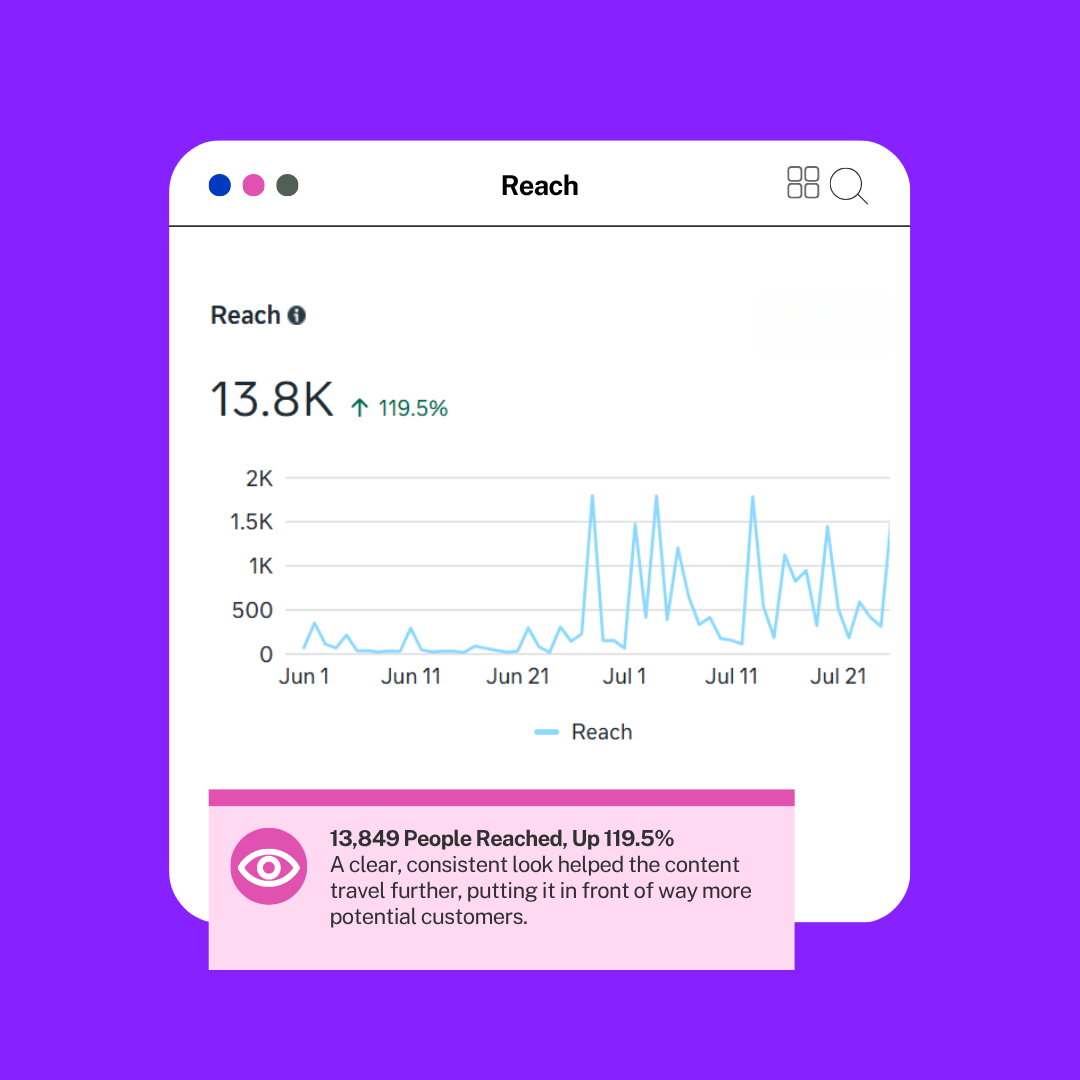
Reach answers a simple question: how many unique people saw the content? Here, reach grew by 119.5%. That is a strong sign of visibility. The next question is what those people did after they saw the content.
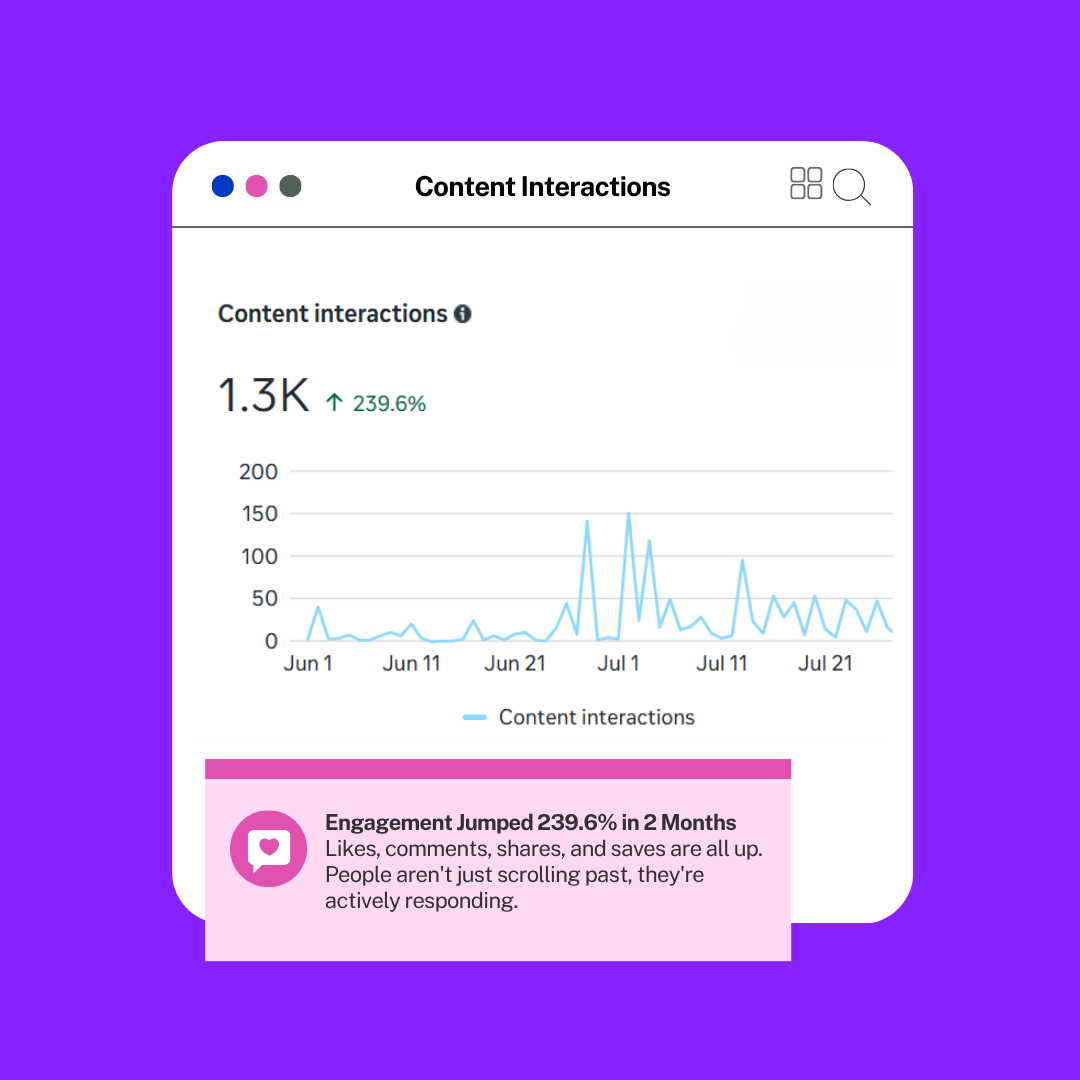
Content interactions add another layer. Here, interactions rose by 239.6%. The growth was not only about more people seeing the content. People also responded through likes, comments, shares, and saves.
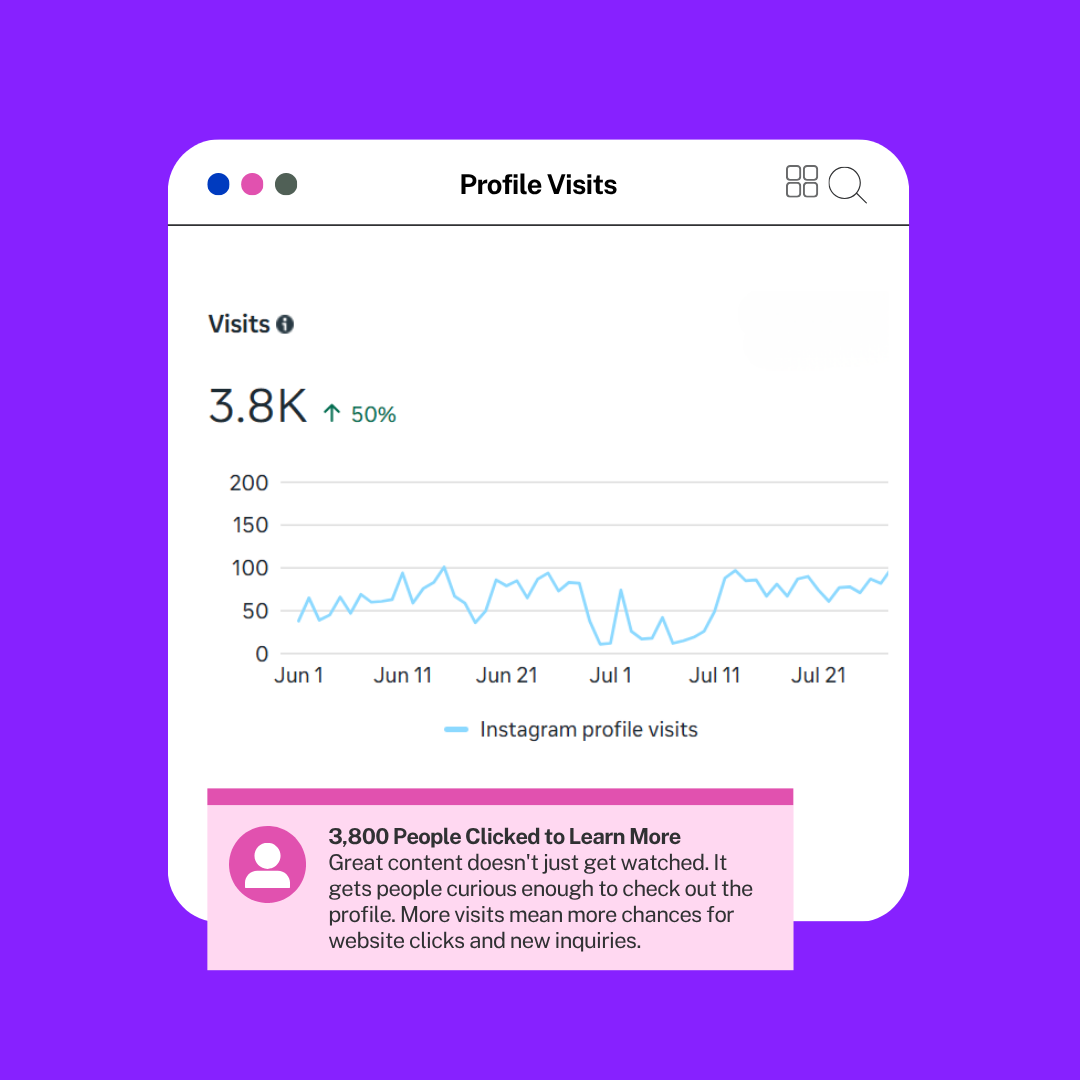
Profile visits can show curiosity. They are not the same as website visits, leads, or enquiries. Still, they show that people moved from seeing one post to checking the account itself.
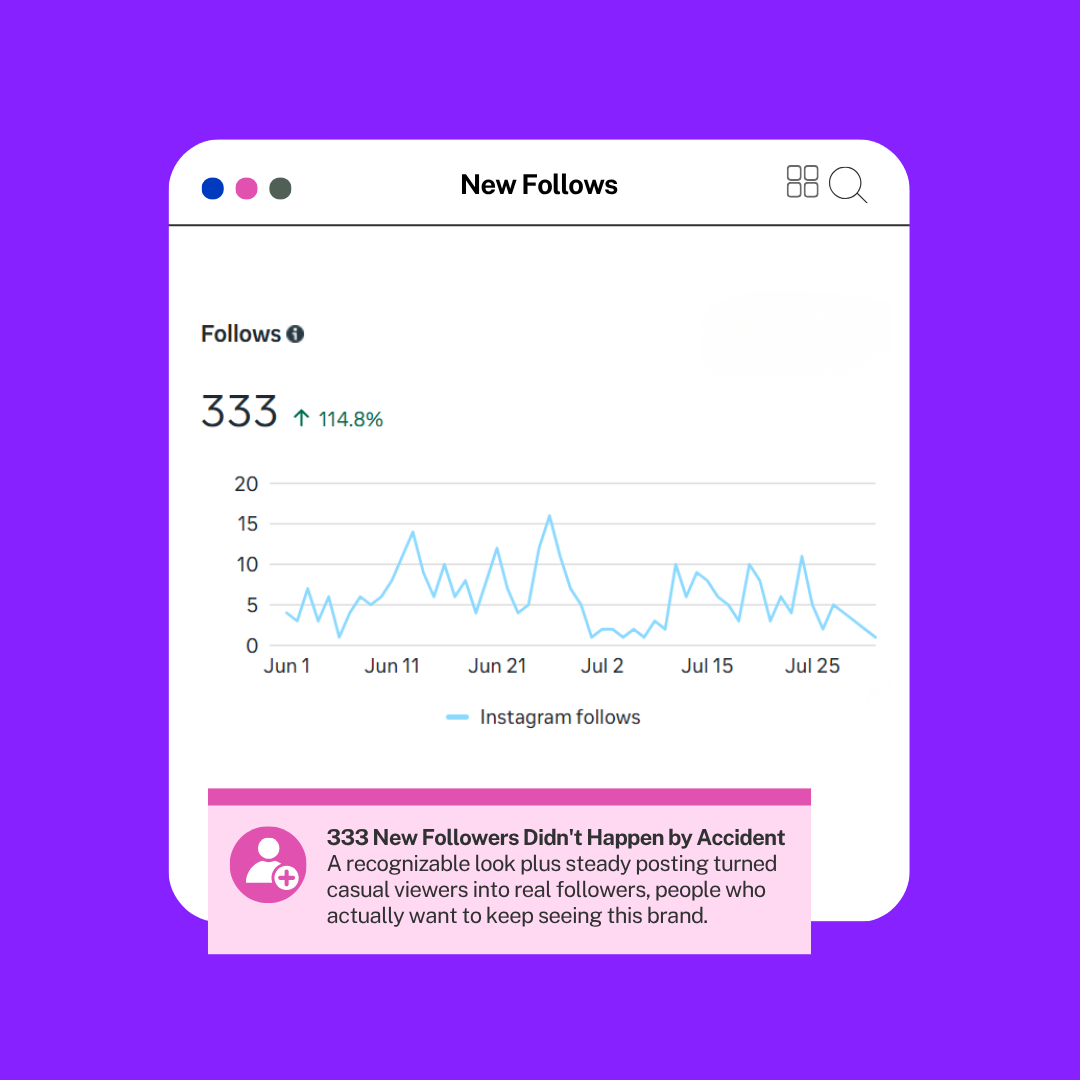
Follower growth is often called a vanity metric, but context matters. Here, new follows rose along with reach, interactions, and profile visits. That makes follower growth part of a wider story about audience interest.
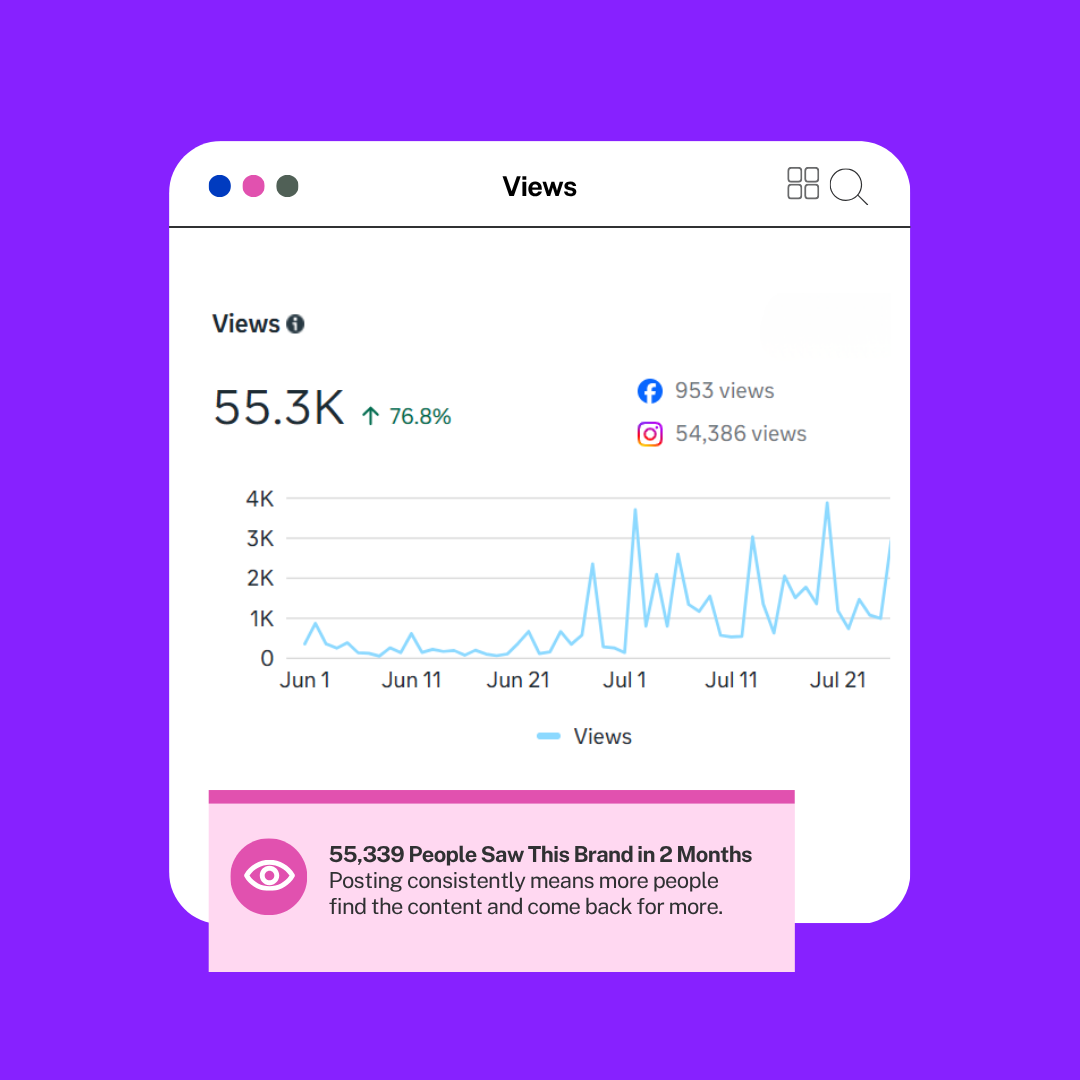
Views show how much content people consumed. They can also show where attention is strongest. In this report, most views came from Instagram. That gives the team a reason to look closer at which Instagram topics and formats worked best.
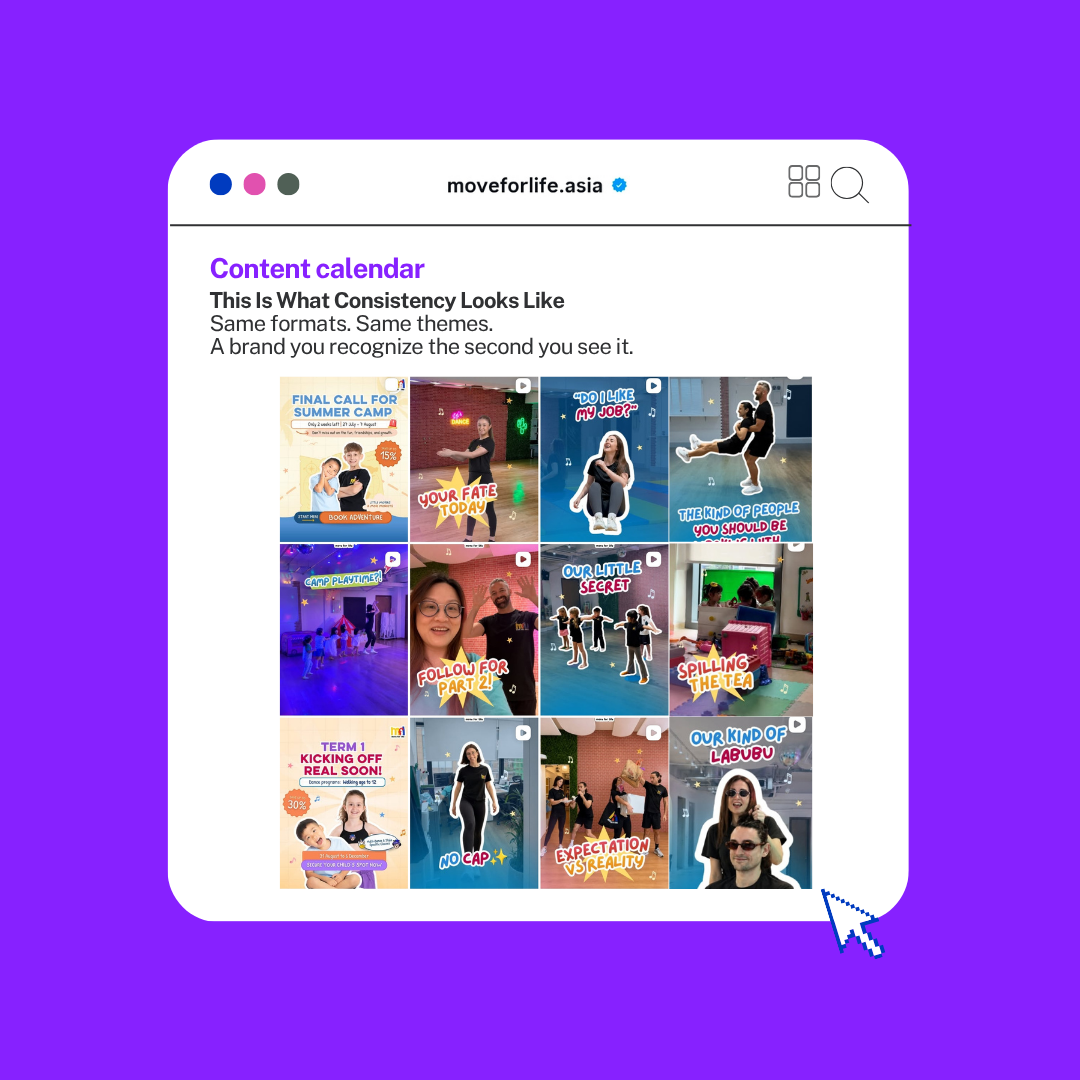
The content calendar adds useful context.
Repeated themes and familiar formats make it easier to compare results over time.
Consistency does not prove that one factor caused every increase. It does, however, give marketers more data to spot patterns and test new ideas.
Rev Up and Refine Your Social Media Analytics
Analytics tools can collect data, track conversations, and show trends. But the tool itself is not the strategy. The best setup helps your team focus on the numbers that match its goals. Then you can use them to make clearer content, campaign, and budget choices.
Different tools can help businesses track social media data.
Qualtrics and Meltwater can support research, listening, monitoring, and analysis. Social platforms also have their own dashboards. These give teams direct performance data for regular reports.
With social media analytics tools, agencies and internal teams can report on key metrics like:
Audience Demographics: Who is engaging with your brand?
Post Reach: How many unique people are seeing your content?
Engagement Rates: How is your audience interacting with your posts?
Posting Patterns: When does your audience tend to be active, and how does performance vary by timing?
Brand Mentions: How often and where is your brand being discussed?
These metrics still matter, but add one question to each one: what decision will this number help us make?
Do not stop at 'reach increased.' Ask whether you should repeat a format, change the message, test a CTA, focus on a platform, or check website and conversion data.
Mastering Digital Marketing Like a Pro
To do digital marketing like a pro, you need more than numbers. You need to know what they mean and what to do next.
Social media analytics helps you see what is working.
Which posts get noticed? Which ones get people to engage? Which ones make people want to learn more?
The client results above show this clearly.
Reach increased. Engagement grew. More people visited the profile. Views and follows also went up.
One number cannot tell the whole story. But together, these metrics show how people are responding to the content.
They also help you decide what to repeat, improve, or test next.
Social media can also work with your other channels. Our guide to social media and email marketing shows how the two can support each other.
Need help connecting your data with your strategy? BSD’s social media marketing brings content, insights, and execution together.
That is what it means to do digital marketing like a pro. Track what matters. Understand the results. Then use them to make your next move better.



How Listening to Social Media Can Turn Customers into Fans
Ever wondered what your followers really think about your brand or how that one Instagram story made someone become your number-one fan? 🤔 Explore how brands transform casual followers into devoted advocates, all by genuinely listening to what they’re saying online.
In today’s digital-first world, customer advocacy is gold for any brand, especially if you’re trying to stand out in a space where every other brand is hustling for attention. Customer advocacy isn’t just getting people to like your product; it’s when customers become your biggest supporters, telling the world about your brand because they genuinely love it. And, with the rise of social media, companies have an easy (and excellent) way to make this happen: social media listening. This means tapping into honest, raw conversations to understand what makes customers tick, what they love, and what they wish your brand would change.
So let’s break it down. Here’s how social media listening transforms how brands connect with consumers and turns regular customers into raving advocates.
Social Media Listening 101: What’s It All About?
Social media listening is exactly what it sounds like—paying attention to what people say about your brand across social platforms. But it’s more than just keeping track of mentions or counting likes. It’s about digging deeper into those conversations to see what matters to your audience: What’s exciting them? What’s bugging them? What are they really looking for?
When you listen to your audience this way, you get the scoop on their opinions, preferences, and even the trends they’re vibing with right now. Social media listening is a game-changer for digital marketers, offering valuable data to boost your strategy, improve your products, and respond to customer needs like a pro. And the best part? It can make your customers feel seen, which is what turns casual fans into hardcore advocates.

Why Customer Advocacy is Your New BFF in Digital Marketing
Imagine this: Your customers love your product so much that they’re talking about it to their friends, family, and followers—without you even asking. That’s customer advocacy in action. It’s like word-of-mouth marketing but way more powerful because it’s coming from real people with honest opinions, not just a scripted ad. And here’s the kicker: Studies show that people trust personal recommendations more than brand ads. This is why customer advocacy is the ultimate goal in digital marketing—it’s authentic, organic, and works.
When customers turn into advocates, they’re not just buying your product but repping your brand because they believe in it. And thanks to social media, brands can create that kind of loyalty by actively listening and responding to their followers in real-time.
How Social Media Listening Supercharges Customer Advocacy
So, how does social media listening help turn followers into advocates? Let’s check out some ways brands are using it to create connections that count:
Quick Reactions Are Everything
Responding quickly to customer comments or concerns shows your audience that you care and that you’re not just watching. Whether it’s a quick “Thanks for the love!” or a thoughtful reply to a complaint, being responsive is a huge part of making people feel valued. This simple act can turn even a slightly annoyed customer into a fan for life.
Spotting Trends for Hyper-Relevant Content
By tuning in to trends, brands can create content that resonates deeply with their audience. Imagine catching a TikTok trend as it’s blowing up or noticing that your followers are all talking about the same new movie. Using these insights for your next campaign helps you stay relevant and build that connection with your audience, making them feel like, “Wow, they really get me!”
Learning from Your Competition
It’s not just about tracking your mentions. Social listening lets you watch what people say about your competitors, too. If you see customers griping about an issue with another brand, that’s your chance to swoop in and do it better. It’s all about turning insights into an advantage.
A Step-by-Step Guide to Social Listening Like a Pro
If you’re ready to get serious about social media listening, here’s a basic roadmap to get you started:
- Choose the Right Tool for Your Brand: Tools like Hootsuite, Sprout Social, or BuzzSumo are designed to make social listening a breeze. These tools let you track keyword mentions and analyze how people feel about your brand (positive, negative, or neutral).
- Track Keywords and Hashtags That Matter: Start with the essentials like your brand name, product names, and popular hashtags. Then, branch out into industry-related terms and trends. The more specific you get, the better you’ll understand the needs and preferences of your audience.
- Analyze the Mood: This is where sentiment analysis comes in. Pay attention to how people feel about what they’re saying, not just what they’re saying. If there’s a ton of negative feedback, look for patterns. Maybe there’s a quick fix you haven’t thought of. If it’s positive, give your team a high-five and keep that momentum going.
- Show Up and Engage: Don’t just watch from the sidelines. Get in there! Respond to comments, like posts, share user-generated content. This helps build that all-important trust factor.
- Rinse and Repeat: Social media listening isn’t a one-time thing. Keep tweaking, learning, and adapting your strategy to stay in tune with your audience.
5 Super Effective Ways Social Media Listening Builds Customer Advocacy
- Respond to Followers, Fast: People want to feel seen, and responding quickly makes them feel like their voice matters. A simple reply to a tweet or a “thanks for the mention” can make someone’s day, turning a regular follower into a full-on brand advocate.
- Identify and Follow Trends: Find out what’s trending in your industry, and you’ll never run out of relevant content ideas. Not only does this keep you relevant, it also shows your audience you’re in tune with what’s hot right now.
- Encourage Honest Reviews: Social media listening helps you catch customer reviews and testimonials. Share positive feedback to your advantage, and invite more people to review your products. Word-of-mouth is still one of the most trusted forms of marketing out there.
- Build Relationships with Influencers and Brand Ambassadors: By monitoring social media, you can identify influencers or customers who already love your brand. This is your chance to turn them into official advocates through partnerships, collaborations, or simply featuring them on your channels.
- Outshine Competitors: Social listening lets you track competitors’ conversations, giving insight into where they’re winning and falling short. Use this info to offer what they’re missing and win over new customers.
Conclusion
Social media listening is like having a backstage pass to what your audience thinks about you. By truly listening, and not just watching, you can turn insights into actions that resonate with your followers. In a world where attention spans are short, and loyalty is hard to earn, listening to social media can be the secret weapon that turns your fans into genuine advocates.
So, are you ready to find out what your audience is saying? Start listening, connecting, and watching how quickly your brand reputation skyrockets.
