

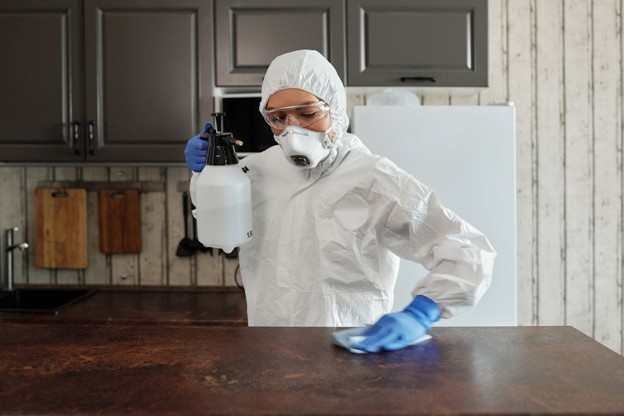
Nothing ruins a relaxing evening at home faster than spotting a cockroach in the kitchen or hearing scratching sounds inside the ceiling at night.
If you are looking for practical pest control tips, the good news is that preventing pests is often easier than dealing with a full infestation. Small changes in cleaning habits, storage practices, and home maintenance routines can make a significant difference in keeping unwanted visitors out.
Most homeowners encounter household pests at some point. Ants suddenly appear near food containers. Mosquitoes multiply after heavy rain. Rodents find their way into storage spaces. The frustrating part is that pests rarely show up without a reason.
In many cases, everyday habits unintentionally create the ideal environment for pests to thrive.
The good news is that creating a pest-free home does not always require expensive treatments or harsh chemicals. Consistent prevention is often the most effective solution.
What We’ll CoverWhat We’ll Cover
- Why pests keep returning
- Common entry points pests use
- Kitchen habits that attract pests
- Moisture problems that encourage infestations
- The role of decluttering in pest prevention
- Outdoor maintenance strategies
- Natural pest control options
- A practical pest prevention checklist
Why Pest Control Tips Focus on Prevention
One of the biggest misconceptions about household pests is that they only appear in dirty homes.
That is not always true.
Even clean homes can attract pests when they have easy access to:
- Food
- Water
- Shelter
- Dark hiding spaces
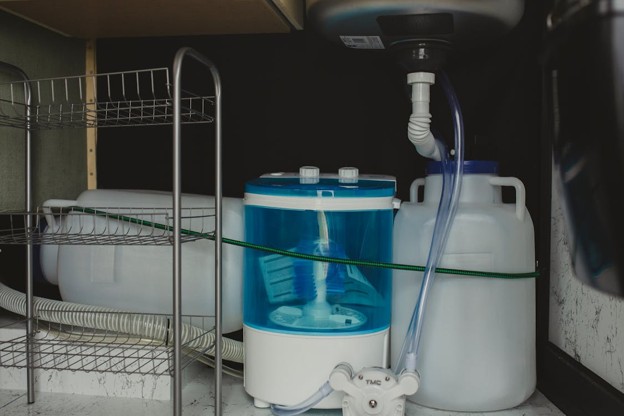
A small leak under the sink, uncovered pet food, overflowing trash bins, or clogged gutters can quietly attract insects and rodents over time.
Most pests are simply looking for survival. Once they find reliable access to food and moisture, they tend to stay.
This is why effective home pest prevention focuses on eliminating the conditions that attract pests rather than simply reacting after an infestation has already started.
Pest Prevention Tips: Seal Small Entry Points
One of the most effective pest control tips is surprisingly simple.
Prevent pests from entering your home in the first place.
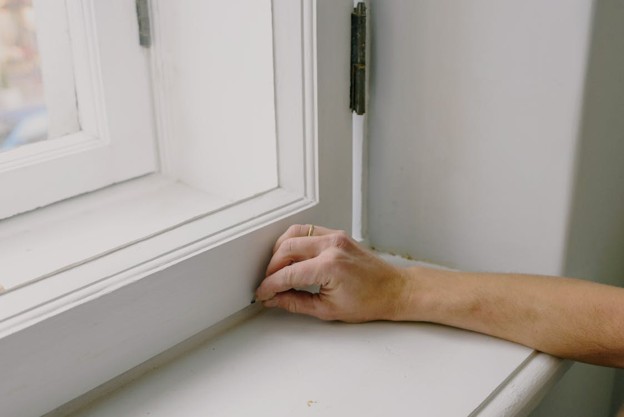
Many insects and rodents only need tiny openings to gain access. Small cracks around windows, gaps beneath doors, damaged screens, and openings around plumbing lines can all become entry points.
Take time every few months to inspect:
- Cracks near doors and windows
- Damaged screens
- Gaps around utility pipes
- Roof openings
- Poorly sealed storage areas
- Exterior wall penetrations
Small repairs may seem insignificant, but they can dramatically reduce indoor pest activity.
Kitchen Pest Control Tips Every Homeowner Should Follow
The kitchen is one of the most common hotspots for pest activity.
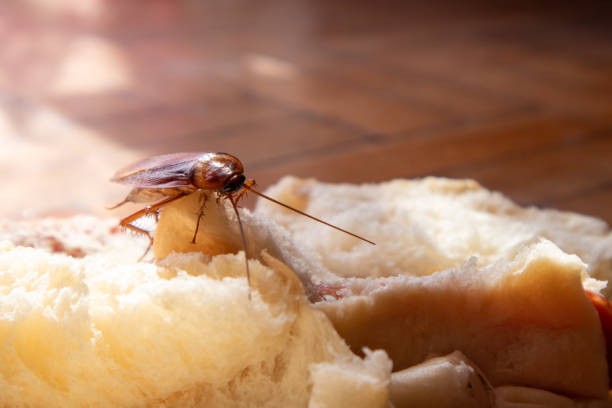
Crumbs beneath appliances, open food containers, grease buildup, and standing water create an ideal environment for insects and rodents.
Fortunately, a few simple habits can support long-term pest control at home.
Consider these practices:
- Store dry goods in sealed containers
- Wipe counters after food preparation
- Avoid leaving dirty dishes overnight
- Empty trash bins regularly
- Clean beneath appliances periodically
- Store pet food properly
Even small amounts of exposed food can attract pests surprisingly quickly.
Consistent kitchen maintenance remains one of the most effective pest prevention tips homeowners can follow.
Pest Control at Home Starts With Moisture Control
Many people associate pests with food, but moisture is often an equally important factor.
Leaks under sinks, clogged drains, standing water, and damp storage areas can attract:
- Mosquitoes
- Cockroaches
- Termites
- Rodents
- Silverfish
Moisture creates ideal breeding and nesting conditions for many pests.
As part of your home pest prevention strategy, regularly inspect for:
- Leaking faucets
- Roof leaks
- Drainage issues
- Standing water outdoors
- Moisture buildup near walls
- Damp storage areas
Addressing moisture problems early not only helps with pest control but also protects your property from mold, wood rot, and structural damage.
Home Pest Prevention Through Better Organization

Pests thrive in dark, quiet spaces where they can remain undisturbed.
Cluttered storage rooms, overflowing garages, stacks of cardboard boxes, and neglected corners often become ideal hiding places.
You do not need a perfectly minimalist home to reduce pest risks.
However, keeping spaces organized can make a significant difference.
Focus on:
- Reducing unnecessary clutter
- Improving airflow in storage areas
- Regularly cleaning hidden spaces
- Replacing old cardboard boxes with plastic storage bins
- Organizing garages and utility rooms
These simple actions support a cleaner and more pest-free home.
Outdoor Maintenance Tips to Keep Pests Away
Sometimes pest problems begin outside long before pests enter the home.
Overgrown landscaping, standing water, clogged gutters, and outdoor debris can attract insects and rodents closer to your property.
One often-overlooked aspect of home maintenance tips is maintaining the area immediately surrounding the house.
Homeowners should:
- Trim plants touching exterior walls
- Remove standing water after rainfall
- Clean gutters regularly
- Seal outdoor trash bins
- Remove yard debris
- Maintain proper drainage around the property
The farther pests stay from your home, the lower the likelihood they will find a way inside.
Natural Pest Control Methods That Actually Work
Not every pest issue requires chemical treatment.
Many homeowners prefer natural pest control methods, especially in homes with children or pets.
Depending on the situation, these approaches may help discourage pest activity:
- Citronella plants
- Essential oils
- Proper ventilation
- Regular cleaning
- Natural repellents
- Eliminating moisture sources
While severe infestations may still require professional assistance, prevention remains the most effective long-term strategy.
A Pest Control Tips Checklist for Homeowners
If you are unsure where to begin, start with a quick inspection.
| Area | What to Check |
| Kitchen | Food crumbs, exposed containers, and standing water |
| Bathroom | Leaks, moisture buildup, and clogged drains |
| Windows & doors | Gaps, damaged screens, and wall cracks |
| Storage spaces | Clutter, cardboard boxes, hidden moisture |
| Outdoors | Standing water, overgrown plants, and open trash bins |
| Roof & gutters | Water buildup, damaged roofing, blocked drainage |
These pest control tips can help homeowners identify problems before they become larger infestations.
Pest Control Tips: Prevention Is Always Easier Than Treatment
Most pests are not randomly invading homes.
They are responding to food, moisture, shelter, and easy access.
That is why the most effective pest control tips focus on prevention rather than treatment.
The good news is that keeping pests away often starts with simple habits. Better storage, regular cleaning, routine maintenance, and early repairs can significantly reduce pest activity over time.
A cleaner home is not just more comfortable. It is also less attractive to pests.
By making home pest prevention part of your regular maintenance routine, you can create a healthier, safer, and more comfortable living environment for years to come.
If you are planning home improvements, renovations, or property upgrades, proper design and maintenance strategies can help prevent many of the structural and environmental issues that attract pests in the first place.

Related Posts

House Safety Checklist: What Every Homeowner Should Know
House safety starts with identifying structural risks, improving earthquake…


Property Finder vs Bayut: Which Portal Brings Better ROI for Developers?
Developers in UAE face a key choice: Property Finder or Bayut? This in-depth…


How Does Hurricane Damage Affect Your Home’s Value?
Discover strategies for promoting safer real estate investments and staying…
