

Most homeowners assume their property is safe until something goes wrong.
A strong earthquake strikes nearby. Cracks suddenly appear on the walls. Floodwater rises faster than expected. A leaking roof suddenly becomes a major problem during a storm.
Only then do many people start asking an important question:
How safe is my house?
The reality is that house safety involves much more than security cameras, locks, or gated entrances. It also depends on structural condition, maintenance, construction quality, and disaster preparedness.
A home can appear perfectly stable while hidden problems slowly develop behind walls, beneath floors, or within the foundation. Over time, these issues can increase safety risks and lead to expensive repairs.
The good news is that you do not need to wait for a disaster to evaluate your home’s condition.
Understanding potential risks early can improve house safety, strengthen earthquake safety, and help protect your family, property, and investment.
What We’ll Cover
- Why house safety goes beyond security systems
- Common structural safety risks homeowners overlook
- What makes a home safer during earthquakes
- A practical home safety checklist
- Why older homes need closer attention
- How to improve disaster preparedness
House Safety Is More Than Locks and Security Cameras
When people think about house safety, they often focus on alarms, CCTV systems, fences, or security guards.
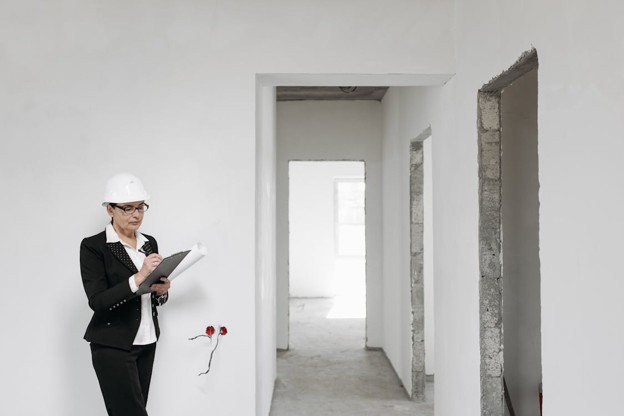
While these features help protect against theft and unauthorized access, true home safety goes much deeper.
A safe home should also protect occupants from:
- Structural damage
- Earthquake risks
- Fire hazards
- Flooding
- Foundation movement
- Electrical failures
In the Philippines, where earthquakes, typhoons, and flooding are common, structural resilience is just as important as physical security.
Even minor weaknesses can become serious hazards during a major disaster.
Structural Safety Risks Every Homeowner Should Know
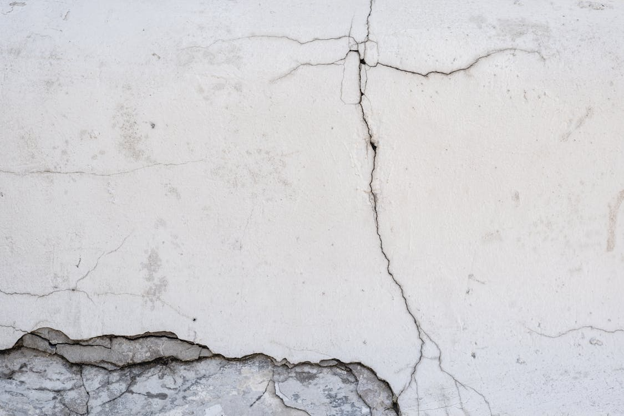
Many serious structural problems begin as small issues that are easy to ignore.
A hairline crack may seem harmless. A slightly uneven floor may not raise concerns. A minor roof leak may appear manageable.
However, these problems often become more severe over time.
Water intrusion can weaken construction materials. Foundation movement can place stress on walls and floors. Poor drainage can affect soil stability around the property.
When earthquakes or severe weather occur, these existing weaknesses can significantly increase the risk of damage.
Regular inspections and preventive maintenance remain among the most effective ways to improve long-term house safety.
What Makes a House Safer During Earthquakes?
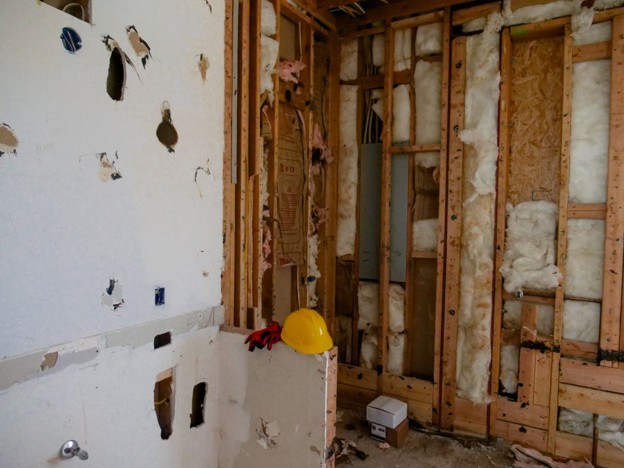
A safer home is not always the newest or most expensive property.
In many cases, earthquake safety depends on how well a structure was designed, engineered, and maintained.
Several factors contribute to structural safety:
- Foundation stability
- Construction quality
- Proper reinforcement
- Durable building materials
- Effective drainage systems
Homes built using sound engineering principles are often better equipped to withstand seismic activity and severe weather conditions.
This is why safe home construction plays a critical role long before homeowners move into a property.
Disaster Preparedness Starts With House Safety
Many people associate disaster preparedness with emergency kits, flashlights, and evacuation plans.
These are important, but they represent only part of the equation.
Strong disaster preparedness starts with understanding the condition of the home itself.
Homeowners should evaluate:
- Structural vulnerabilities
- Flood exposure
- Nearby fault lines
- Electrical hazards
- Emergency exits and evacuation routes
The more you understand your home’s risks, the better prepared you can be when emergencies occur.
Home Safety Checklist for Every Homeowner
A simple home safety checklist can help identify potential risks before they become major problems.
While a professional inspection remains the best option, homeowners can start with a basic assessment.
| Area to Check | What to Look For |
| Walls and ceilings | Large cracks, moisture stains, uneven surfaces |
| Floors and foundation | Uneven flooring, sinking areas, and foundation cracks |
| Roof condition | Missing roofing materials, leaks, and sagging sections |
| Doors and windows | Difficulty opening or closing properly |
| Electrical system | Exposed wiring, overloaded outlets, and flickering lights |
| Drainage and water flow | Standing water, clogged drainage, and soil erosion |
| Structural supports | Rusting steel, exposed reinforcement bars, weakened concrete |
| Emergency access | Clear exits, accessible evacuation routes |
| Earthquake preparedness | Secured heavy furniture, emergency supplies available |
| General maintenance | Signs of termite damage, mold, or water intrusion |
Even simple observations can help homeowners identify potential concerns earlier.
If multiple issues appear during a self-check, it may be worth consulting a licensed engineer, contractor, or structural professional for a more detailed assessment.
Why Older Homes Need Regular Structural Assessments
Older homes often require closer attention.
Over time, buildings experience natural wear and tear. Roofing materials deteriorate, moisture exposure accumulates, and electrical systems age.
Previous renovations can also introduce hidden structural concerns if modifications were completed without proper engineering review.
Regular assessments help identify problems early and support better long-term home safety.
Peace of Mind Starts With House Safety Awareness
Many homeowners avoid asking whether their property is truly safe because they worry about what they might discover.
However, ignoring potential risks does not make them disappear.
Awareness is often the first step toward prevention.
Whether through a self-assessment, a professional inspection, or a structural evaluation, understanding your home’s condition allows you to make informed decisions before small concerns become major issues.
House Safety: Is Your Home Really Prepared?
A safe home is not defined by appearance alone.
True house safety depends on structural integrity, maintenance practices, environmental risks, and long-term preparedness.
Even homes that appear stable can benefit from regular inspections and ongoing evaluations.
Asking “How safe is my house?” is not about finding problems.
It is about protecting your family, preserving your investment, and ensuring your home remains safe for years to come.
If you are planning a new residential project or evaluating an existing property, working with experienced design and construction professionals can help ensure your home meets both current needs and future challenges.

Related Posts

Property Finder vs Bayut: Which Portal Brings Better ROI for Developers?
Developers in UAE face a key choice: Property Finder or Bayut? This in-depth…


How Does Hurricane Damage Affect Your Home’s Value?
Discover strategies for promoting safer real estate investments and staying…


10 Halloween Marketing Tricks to Boost Your Listings
Embrace the season with spooky virtual tours, engage clients with spooktacular…