

How to Select the Perfect Color for Your Brand
Learn Colour Psychology: How to Select the Perfect Color for Your Brand
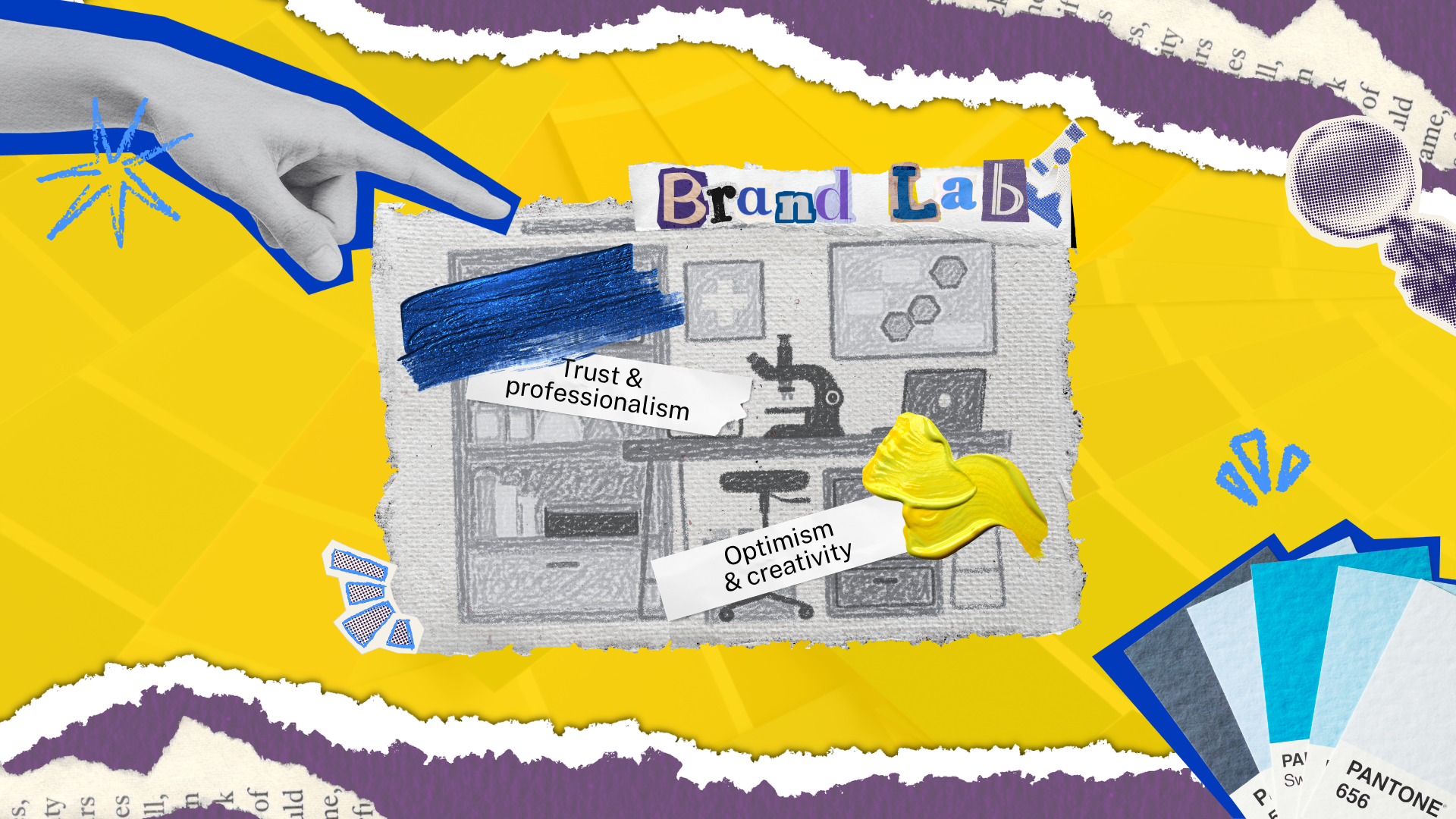
Why do some brands feel calm, bold, playful, or premium before you read a single word?
Color often plays a part.
People notice visual cues fast. Your palette can shape a first impression before someone reads your headline, checks your services, or learns your story.
Still, color is not a shortcut to trust. A blue logo does not make a business reliable. A black palette does not make a brand premium.
The real value of brand colour psychology is using color with purpose.
Color works best when it supports the bigger picture. To build a stronger brand, your palette should work with your purpose, message, personality, and customer experience.
Why Brand Colour Psychology Matters
Brand colour psychology looks at how color can shape feelings and expectations. It can help a business choose a palette that supports its personality and message. Color does not control what people think, but it can make the right first impression easier to understand and remember.
People often connect colors with certain ideas.
Blue can feel calm or professional. Green may suggest growth, health, or nature. Red can feel active or urgent. Yellow often feels bright and optimistic.
But those meanings are not fixed.
Culture, industry, context, and personal taste all change how color is read. The same shade can feel playful in one brand and serious in another.
That is why color associations should be used as a guide, not a formula.
Start with the experience you want to create. Then choose colors that support it.
| Color | Common Association |
| Blue | Trust, calm, professionalism |
| Green | Growth, health, nature |
| Red | Energy, action, urgency |
| Yellow | Optimism, warmth, creativity |
| Black | Confidence, luxury, sophistication |
| Orange | Energy, friendliness, confidence |
Match Your Colors to Your Brand Personality
The best palette reflects the brand you want people to experience. Start with your values, audience, and personality before looking at trends. A color may look attractive on its own, but it should also make sense beside your message, service, and the people you want to reach.

Before choosing a palette, ask a few simple questions.
How should customers feel when they meet our brand?
What do we want to be known for?
Which qualities should the brand communicate?
What would feel wrong for our audience or industry?
A financial firm may lean toward calm blues and clear neutrals. A children's activity brand may use brighter tones. A luxury service may choose a more restrained palette.
None of those choices is automatic. The right answer depends on the brand.
A clear brand identity brings color, typography, logo design, imagery, and messaging into one system. Your palette should support that system, not compete with it.
For small business branding, a simple and clear palette is often more useful than a complex one. It is easier to use well and easier for customers to learn.
Build a Simple Color Palette
A practical brand palette does not need many colors. Most businesses can work with a small set that covers the main brand color, a supporting color, useful neutrals, and one accent. Fewer choices make it easier to create a clear and repeatable visual system.
A simple palette can include:
| Role | How It Is Used |
| Primary color | The main color people connect with the brand |
| Secondary color | A supporting color for variety and balance |
| Neutral colors | Backgrounds, text, space, and structure |
| Accent color | Buttons, highlights, or small points of focus |
You do not need to use every color in every design.
Think about hierarchy instead.
Which color should lead? Which colors should support? Which one should only appear when you need attention?
That makes the palette easier to control.
It also helps the brand feel more intentional.
Keep Your Brand Colors Consistent
Color becomes more useful when people see it in a steady way. Use the same core palette across your website, social content, email, print, and other brand materials. Repetition helps customers connect those visual cues with your business over time.
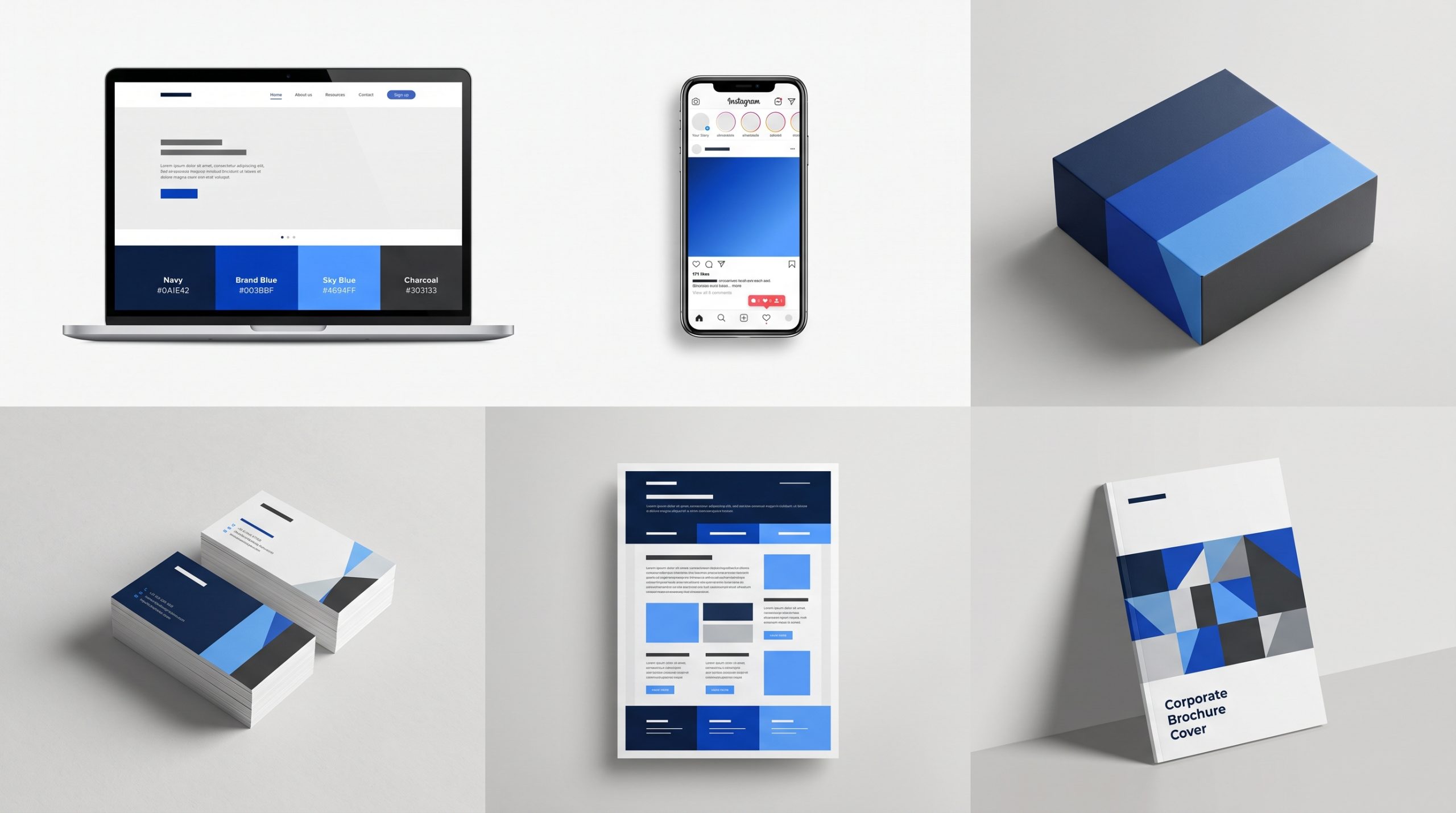 Consistency does not mean every design needs the same layout.
It means the same visual system should still be easy to spot.
Use the correct color codes. Keep the same role for each color. Give your team clear files and templates.
A consistent brand should feel familiar wherever customers find it. The layout may change, but the visual cues should still point back to the same business.
This matters on your website too.
Your website design is often where your full palette has to work hardest. Colors need to support readability, navigation, calls to action, and the overall brand feel.
If a color looks good but makes text hard to read, it is not doing its job.
Good branding should be recognizable and usable.
Do Not Choose Colors Based on Trends Alone
Trends can give you ideas, but they should not decide your brand palette. A popular color may look current now and feel dated later. Choose colors that fit your brand first. Then use trends in smaller ways that are easier to update.
It is easy to save a trendy palette and want the same look for your own brand.
The problem is that your competitors may be doing the same thing.
If everyone in your category follows one visual trend, it becomes harder to stand out.
Use trends for inspiration, not direction.
Your main palette should still make sense when the trend passes.
That gives you more room to evolve without rebuilding the visual identity every year.
BSD Perspective
At Brightsand Designs, we see color as one part of a larger brand system. A good palette should support the message, make key actions easier to see, and stay useful across different formats. The goal is not to choose the prettiest colors. It is to choose the right ones.
A strong palette makes design decisions easier.
Your team knows what to use. Your materials feel more connected. Customers see the same visual cues again and again.
Color can help a brand feel more recognizable.
But it works best when the rest of the identity supports the same idea.
Choose Colors That Make the Brand Clearer
The right brand colors should make your identity easier to understand, not more complicated. Start with your personality and audience. Use color associations as a guide. Build a simple palette. Then apply it with enough consistency for people to learn and recognize it.
There is no perfect color for every business.
There is only a palette that makes sense for yours.
Choose it with purpose.
Use it with care.
Then let repetition do the rest.


How To Keep Your Brand Consistent And Why You Need To
How To Keep Your Brand Consistent And Why You Need To

Brand inconsistency rarely happens all at once.
It starts with small things. One social post uses the wrong shade of blue. A sales deck still has an old logo. An email sounds nothing like the website. A team member creates a new template because they cannot find the approved one.
Each change may seem minor. Together, they can make the brand feel less clear.
That matters because customers meet your business in many places. They may see your social content first, visit your website later, then read an email or speak with your team. If you want to build a stronger brand, those moments should feel connected.
Brand consistency does not mean making every platform look the same. It means keeping the same identity, message, and standard wherever people find you.
What Brand Consistency Really Means
Brand consistency means presenting the same core identity, message, and experience wherever people meet your business. Your website, social posts, emails, sales materials, and customer service do not need to look identical, but they should clearly feel like they come from the same brand.
Think of consistency as a set of familiar signals.
Your logo is one signal.
Your colors and typography are others.
So are your tone of voice, the way you explain your services, and the level of care customers receive.
A clear brand identity gives those signals a system. It helps people understand what belongs to the brand and what does not.
Consistency also leaves room for context.
A LinkedIn post can sound more professional than an Instagram Reel. A proposal can be more detailed than a caption. The format changes, but the personality and message should still feel familiar.
Mailchimp describes brand consistency as keeping the way a company presents itself aligned across its marketing channels. That includes both the image people see and the message they receive. Read the Mailchimp overview.

Why Brand Consistency Builds Recognition and Trust
Consistent branding makes your business easier to recognize and easier to trust. When customers keep seeing the same visual style, voice, and message, they spend less time figuring out who you are. Familiarity grows, and each positive interaction can reinforce the one before it.
Imagine finding a business through Instagram.
The post feels polished and clear. You visit the website, but the colors are different. The message sounds more formal. Then the contact email feels like it came from another company.
Nothing may be technically wrong. The experience simply feels disconnected.
This is especially important for small business branding. Smaller businesses often have fewer chances to make an impression, so each touchpoint needs to reinforce the same identity.
Recognition is built through repetition, but trust is built through repetition plus delivery. Your brand promises one experience. Your business needs to follow through on it.
Create Brand Guidelines People Can Actually Use
Brand guidelines are most useful when they make everyday decisions easier. A practical guide should show people how to use your logo, colors, type, images, tone, and key messages. The goal is not a long rulebook. It is a clear system your team can follow.

A beautiful brand guide is not enough if nobody opens it.
Keep the rules simple. Show the approved logo versions. List the exact color codes. Define the main fonts. Give examples of the tone you want and the tone you do not want.
Then add the pieces people use most often.
| Brand Area | What the Guide Should Clarify |
| Visual identity | Logo use, colors, typography, image style |
| Messaging | Core message, key phrases, value proposition |
| Tone of voice | How the brand should sound in different situations |
| Templates | Approved layouts for common marketing materials |
| Assets | Where the latest files and versions are stored |
The most useful guidelines also explain what can change.
A social post may need more energy than a formal proposal. A campaign may introduce a new visual idea. The brand can flex, but the core identity should stay intact.
This is where templates help. They give people room to create without forcing them to rebuild the brand from scratch every time.
Keep the Brand Consistent Across Every Touchpoint
A brand can look polished on one channel and still feel inconsistent overall. Review the places customers actually use, from your website and social media to emails, proposals, packaging, and customer service. The goal is to make the experience feel connected from one step to the next.
Your website design is often one of the most complete expressions of the brand. The layout, copy, colors, imagery, and user experience should all support the same promise.
Your social channels need the same foundation. A clear social media strategy helps your team adapt content to each platform without losing the brand's voice or purpose.
The same applies to email, sales materials, printed pieces, and customer conversations.
One useful test is to remove the logo.
Would the page, post, or email still feel like your business?
If the answer is no, the brand may be relying too heavily on the logo instead of a full identity system.
Bitly's 2026 guidance on brand consistency across channels makes a similar point. Modern brands appear across many different formats, so teams need shared rules and assets to keep the experience aligned.
A shared content plan can help too. When your team knows the main themes, formats, and goals in advance, it becomes easier to create on-brand work consistently instead of making each post from scratch.
That is one reason social media content planning is useful beyond scheduling. It gives the brand a more repeatable rhythm.
Review Your Brand Without Reinventing It
Brand consistency does not mean freezing your identity forever. Businesses change, audiences change, and old materials become outdated. Regular reviews help you spot where the brand has drifted, update what no longer fits, and protect the parts that customers already recognize and trust.
A brand review does not need to become a full rebrand.
Start with the places people see most often: your homepage, main social profiles, recent email campaigns, sales deck, proposals, and customer-facing documents.
Then ask a few simple questions.
Does the same core message appear everywhere? Does the tone sound like one company? Are the current logo, colors, and fonts being used? Are old templates still circulating? Does the customer experience match what the brand promises?
You may find that the brand itself is still strong. The system around it simply needs an update.
That might mean replacing old templates. It might mean making a shared asset folder easier to use. It might mean tightening the tone of voice or updating a few key messages.
Change what needs to change. Keep what still works.

BSD Perspective
Brand inconsistency is often a systems problem, not a creativity problem. Teams usually know what the brand should look and sound like. The trouble starts when files, templates, messages, and responsibilities are scattered. A simple shared system makes consistency much easier to protect as the business grows.
At Brightsand Designs, we see consistency as part of the foundation, not the finishing touch.
A strong brand should make marketing easier. Your team should not have to debate the same design or messaging decisions every time a new campaign starts.
When the identity is clear, people can move faster. Content is easier to approve. New materials feel connected. Customers get a more familiar experience.
The goal is not to control every creative choice.
The goal is to give the brand enough structure that creativity still feels like it belongs.
Keep the Brand Familiar, Not Frozen
The strongest brand consistency comes from clarity, not repetition. Keep the parts that make your business recognizable, then adapt them thoughtfully across different channels and moments. When your visuals, message, and customer experience support one another, your brand becomes easier to remember and easier to trust.
Your brand will keep changing as the business grows.
That is normal.
What matters is that the change feels intentional.
Keep the core identity clear. Give your team practical guidelines. Use current templates and assets. Review the customer experience from time to time.
Consistency is not about making everything look the same.
It is about making sure everything still feels like you.
Branding Your Small Business
Branding Your Small Business: Start Strong, Stay Memorable
Running a small business often means wearing many hats. You're managing operations, serving customers, handling finances, and finding new ways to grow. Branding can easily fall to the bottom of the list.
The challenge is that customers begin forming opinions about your business long before they make a purchase. Your logo, website, messaging, and customer experience all influence whether they remember you or move on to someone else.
That is why small-business branding deserves early attention. It helps your business stand out, communicate its value, and create lasting relationships with customers.
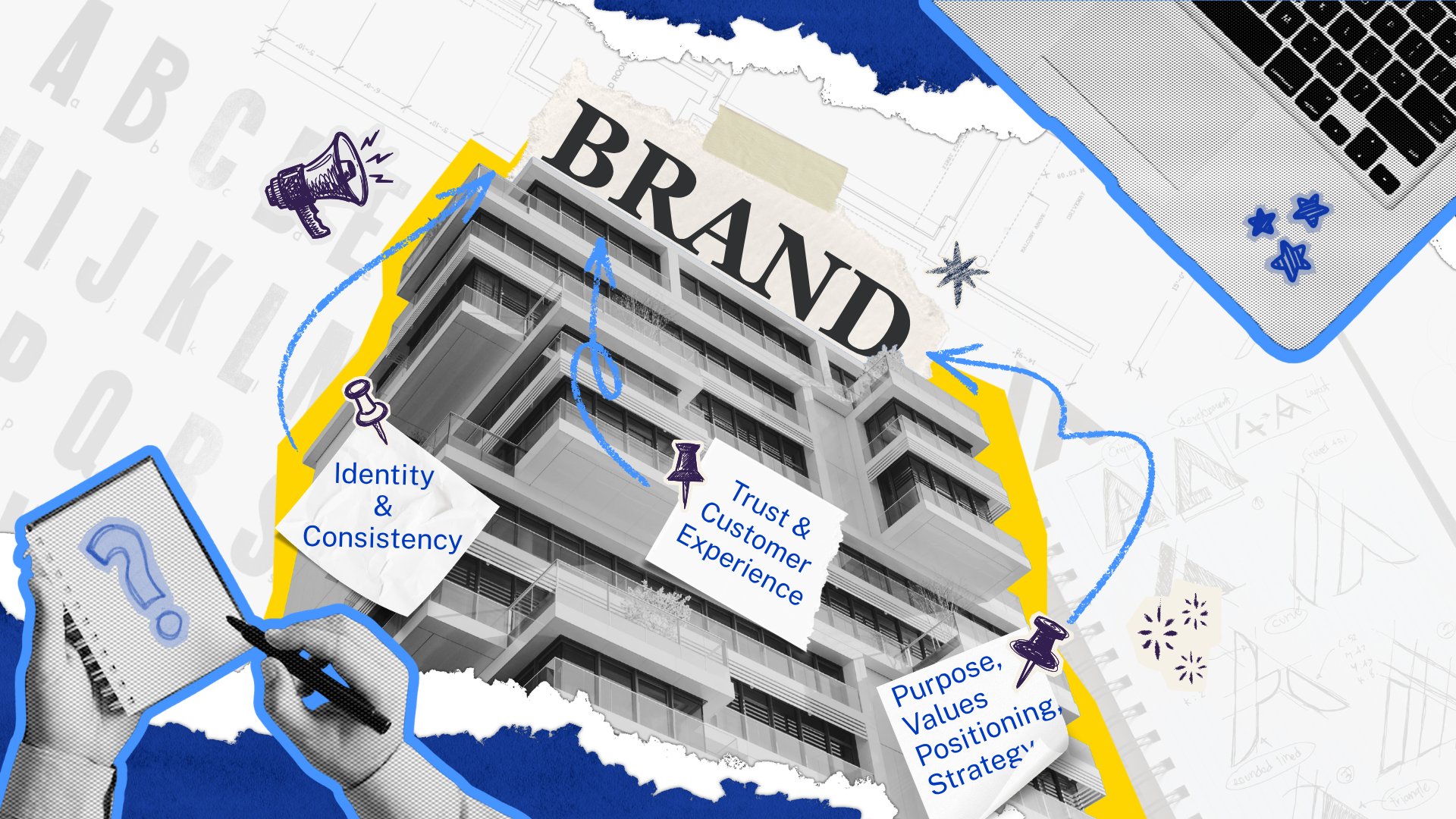
Small business branding works best when every decision supports the bigger picture. To build a stronger brand, your purpose, identity, messaging, and customer experience need to work together.
Why Small Business Branding Matters
Small business branding helps customers recognize your business, understand what makes it different, and build trust over time. A clear brand identity creates consistency across every customer interaction, making it easier to compete even in crowded markets.
Many small businesses believe they need a bigger budget to build a recognizable brand.
The opposite is often true.
A memorable brand is built through consistency, not size. Customers remember businesses that communicate clearly, deliver positive experiences, and keep their promises.
When your brand strategy is clear, customers spend less time trying to understand your business and more time deciding whether you're the right fit.
Define What Your Business Stands For
Every strong brand begins with purpose. Knowing what your business believes in, who it serves, and the value it provides creates a foundation for every marketing decision that follows.
Before choosing brand colors or redesigning your website, take a step back and define your business.
Ask yourself:
| Question | Why It Matters |
| Who do we help? | Identifies your audience. |
| What problem do we solve? | Clarifies your value. |
| What do we want to be known for? | Shapes your brand identity. |
These answers influence your messaging, customer experience, and overall brand positioning.
A clear purpose makes every branding decision easier.
Create a Brand Customers Can Recognize
Recognition comes from consistency. Using the same visuals, messaging, and tone across every platform helps customers remember your business and builds confidence in your brand.
Your small business brand is more than a logo.
It includes the words you use, the experience customers have, and the impression they leave with after interacting with your business.
Building a recognizable brand takes more than choosing colors and designing a logo. A clear brand identity brings your logo, colors, typography, messaging, and personality into one recognizable system
Think of every customer touchpoint as an opportunity to reinforce your identity.
| Brand Element | Customer Benefit |
| Logo | Easy recognition |
| Brand colors | Familiarity |
| Tone of voice | Personality |
| Website | Credibility |
| Customer service | Trust |
You don't need complicated branding guidelines.
You simply need consistency.
Consistency Builds Customer Trust
Customers are more likely to choose businesses that feel familiar and reliable. Consistent branding across your website, social media, emails, and customer interactions reinforces trust and makes your business easier to remember.
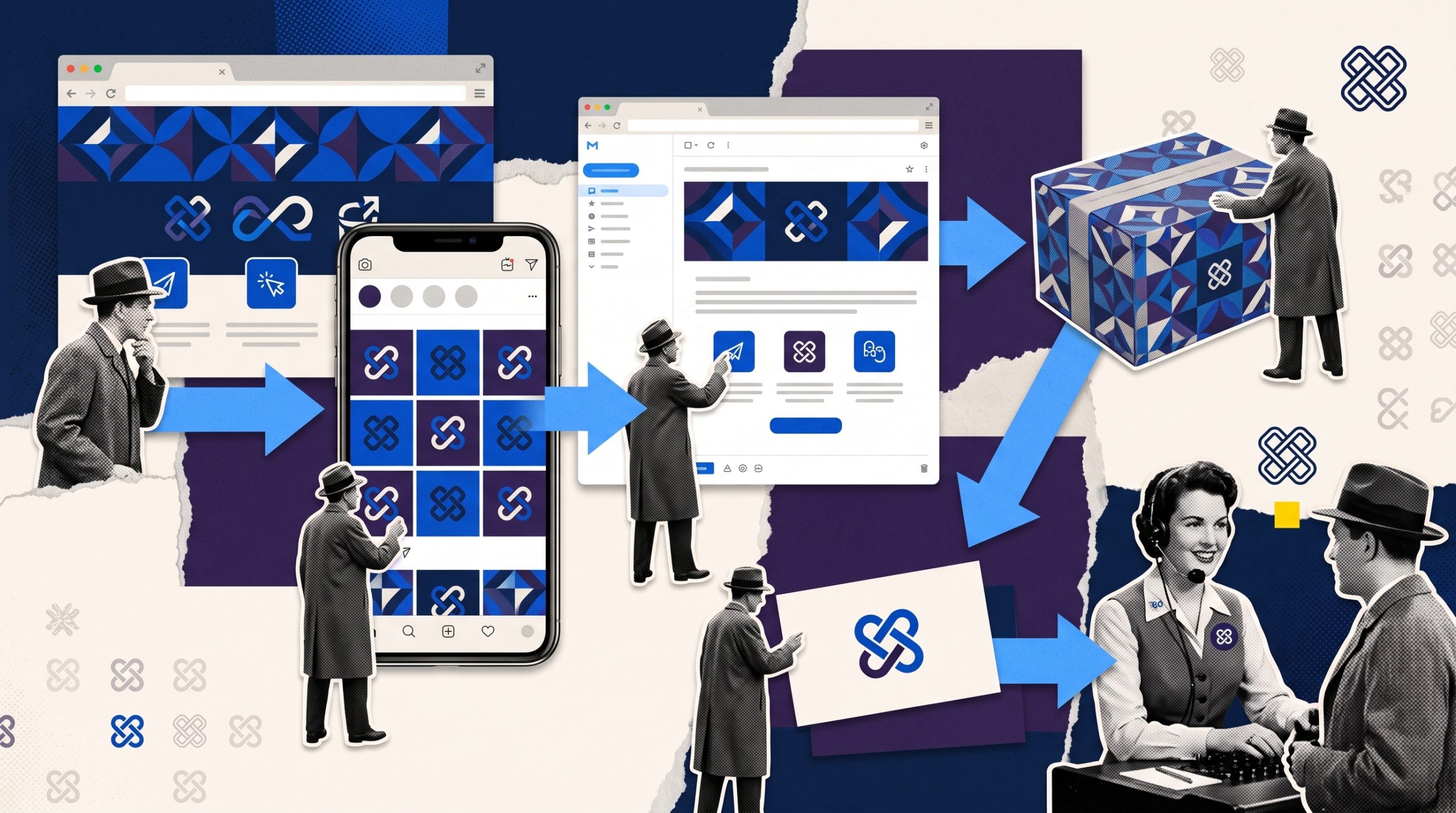
Imagine finding a professional website, then visiting the company's social media pages only to discover outdated information and completely different messaging.
That inconsistency creates uncertainty.
Instead, aim for the same voice, personality, and visual identity wherever customers interact with your business.
Your website design is often the first place customers experience your brand. A clear layout, consistent messaging, and intuitive user experience help reinforce the trust you're working to build.
A consistent brand should feel familiar wherever customers find it. The visuals, tone, information, and experience may change by platform, but the business behind them should still feel the same.
Build Relationships Before You Sell
Successful branding focuses on building trust before asking customers to make a purchase. Helpful content, positive experiences, and authentic communication all contribute to stronger customer relationships over time.
Customers rarely buy from the first business they discover.
They compare options.
Read reviews.
Visit websites.
Follow businesses on social media.
Every interaction either builds confidence or creates doubt.
Sharing useful insights, responding to customer questions, and consistently delivering on your promises all strengthen brand awareness while building lasting customer trust.
Over time, those relationships become one of your greatest competitive advantages.
 BSD Perspective
At Brightsand Designs, we've worked with businesses at different stages of growth, and one pattern stands out.
The businesses that grow consistently don't try to look like everyone else.
Instead, they focus on communicating who they are with clarity and consistency. Once that foundation is established, marketing becomes much more effective because every campaign reinforces a brand customers already recognize and trust.
Final Thoughts
Strong small business branding isn't about having the biggest budget or the flashiest design.
It's about giving customers a clear reason to remember you.
Start with your purpose.
Create a consistent brand identity.
Deliver a positive experience every time someone interacts with your business.
Over time, those small, consistent actions become a brand customers trust, recommend, and return to.
How to Build a Brand, Not Just a Business
Imagine you're looking for a marketing agency.
You open two websites.
The first one lists its services, shows a few stock photos, and tells you they've been in business for years.
The second one immediately communicates who they are, what they believe in, how they solve problems, and why clients trust them.
Both companies may offer the same services.
So why does one instantly feel more credible?
Because one has built a business.
The other has built a brand.
Today, customers don't just compare products or prices. They compare experiences, credibility, and trust. Before someone fills out your contact form or walks into your store, they've already started forming an opinion about your business.
That's why building a brand is no longer optional. It's one of the smartest investments you can make if you want long-term business growth.
 What Does It Mean to Build a Brand?
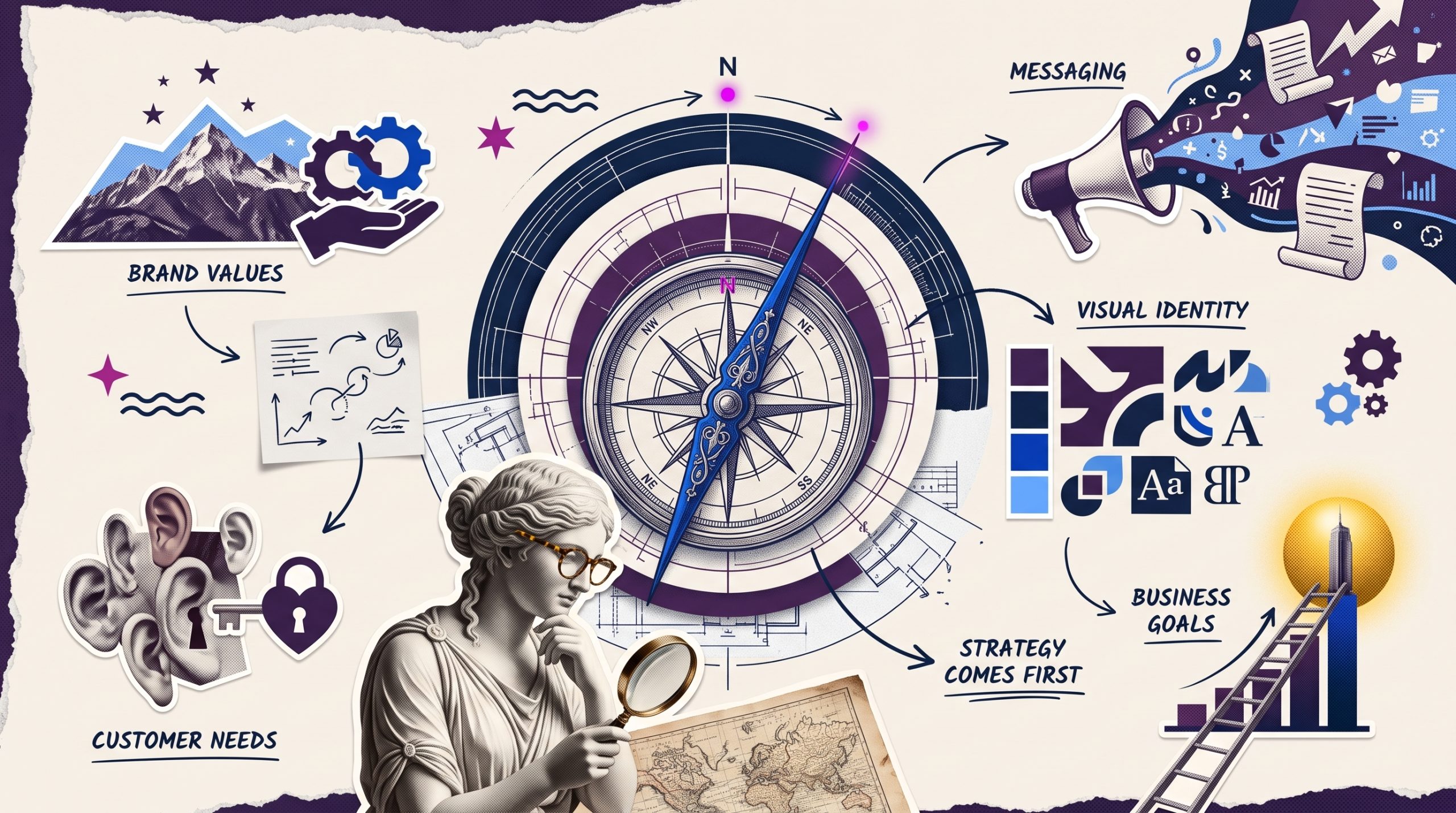
To build a brand means creating a clear identity that helps customers recognize, trust, and remember your business. A strong brand combines your purpose, messaging, visuals, customer experience, and reputation into something that makes your business stand out in a competitive market.
Many people confuse branding with design.
A logo. A color palette. A website.
Those are important pieces of your brand identity, but they are only the visible layer.
Your brand is really the impression people have after interacting with your business.
It is what customers expect before they buy.
It is the reason someone chooses your company over another that offers almost the same thing.
Think about the brands you trust.
Chances are, you remember how they made you feel long before you remember the details of what they sold.
That is the power of business branding.
Quick Reality Check
If someone removed your logo today, would customers still recognize your business by your messaging, tone, and customer experience alone?
A Business Generates Sales. A Brand Creates Loyalty.
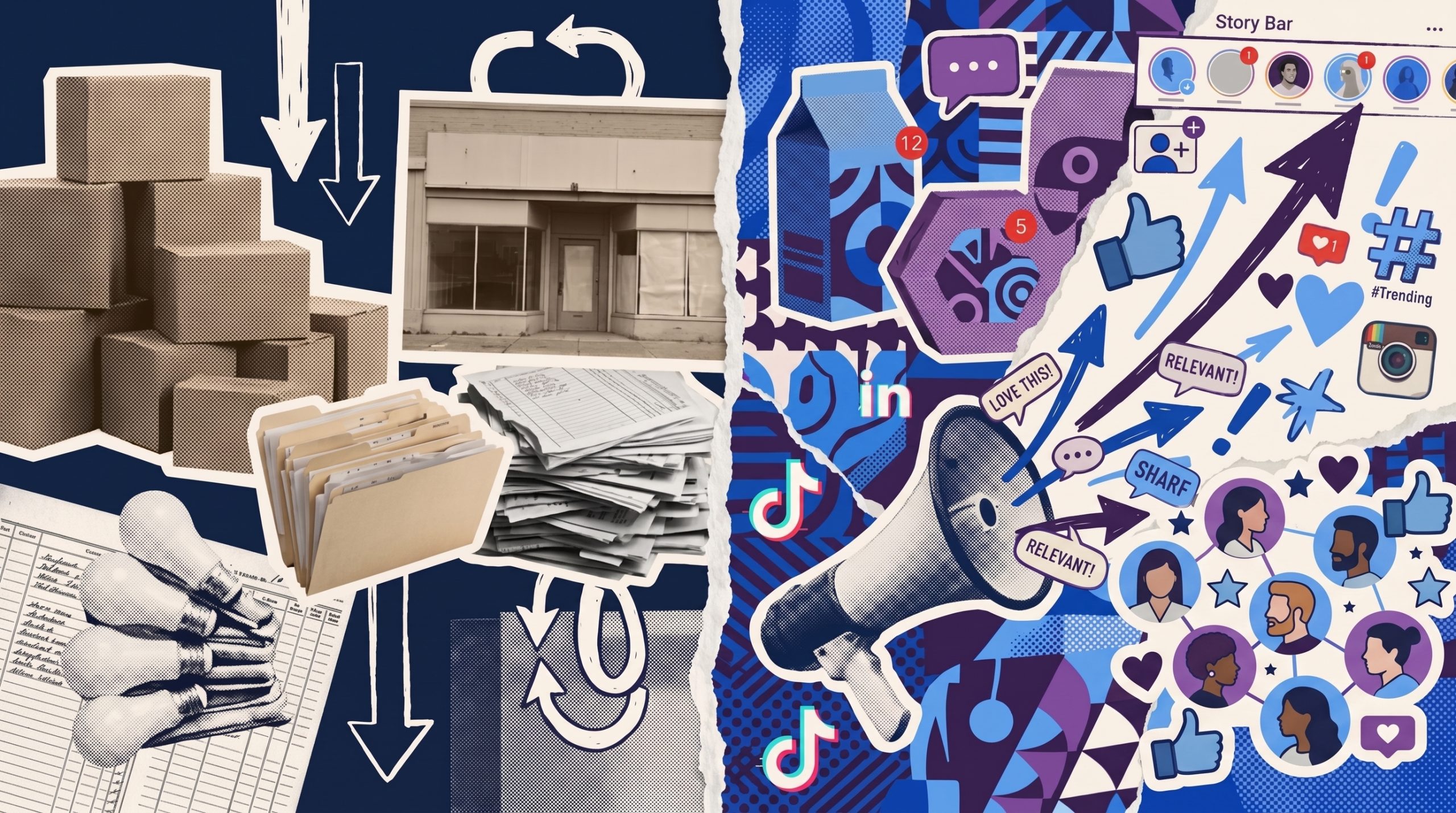
Businesses focus on selling products or services. Brands focus on creating trust, loyalty, and emotional connection. The strongest companies understand that long-term success comes from building relationships, not just completing transactions.
Here's a simple comparison.
| Business | Brand |
| Sells products or services | Builds trust and recognition |
| Focuses on transactions | Focuses on relationships |
| Competes on price | Competes on value |
| Generates customers | Creates loyal advocates |
| Can be copied | Difficult to replicate |
Think about your own buying habits.
When you need a new phone, a favorite coffee, or even a marketing agency, you probably don't start by comparing prices.
You start with the businesses you already know.
That familiarity didn't happen by accident.
It came from consistent brand awareness, clear messaging, and positive experiences over time.
Customers don't become loyal because a company has the lowest price.
They become loyal because they know what to expect.
Why Branding Matters More Than Ever
Strong branding helps businesses stand out, build credibility, and earn customer trust before a conversation even begins. As competition continues to grow across almost every industry, a clear brand strategy becomes one of your biggest competitive advantages.
The way people buy has changed.
Most customers will visit your website before they contact you.
They'll browse your social media pages, read reviews, and compare you with competitors.
Your website design is often the first place people experience your brand strategy in action. From its layout and messaging to the overall user experience, every detail shapes how visitors perceive your business.
By the time they reach out, they've already formed an opinion about your business.
That means your brand is often working before your sales team ever does.
According to Forbes Business Council, businesses that focus on long-term brand strategy rather than short-term promotion often build stronger customer loyalty by consistently reinforcing what their business stands for, not just what it sells.
Branding influences everything from customer perception to employee recruitment and even pricing power.
When people trust your brand, they're often willing to pay more because they believe they're receiving greater value.
Did You Know?
Customers are far more likely to purchase from businesses they recognize than from businesses they've never heard of. Brand familiarity reduces uncertainty, making buying decisions easier and faster.
Great Brands Start With Purpose
Every memorable brand is built around a clear purpose. Customers connect more deeply with businesses that communicate why they exist, not just what they sell. Purpose gives your brand positioning direction and gives customers something meaningful to remember.
Ask yourself one question.
If your products disappeared tomorrow, what would people still remember about your business?
Would they remember your customer service?
Your expertise?
Your innovation?
Your commitment to sustainability?
Or would they remember another company selling the same thing as everyone else?
Purpose is what separates memorable brands from forgettable businesses.
It becomes the foundation for your messaging, your customer experience, and your brand positioning.
Forbes recently highlighted that companies built around a mission often outperform those built around products alone because customers naturally connect with businesses that stand for something bigger than sales.
Purpose gives people a reason to care.
And people remember businesses they care about.
The strongest brands make that purpose visible from the beginning, whether it's through their story, company values, or the experience they create for customers.
Your Brand Lives in Every Customer Interaction
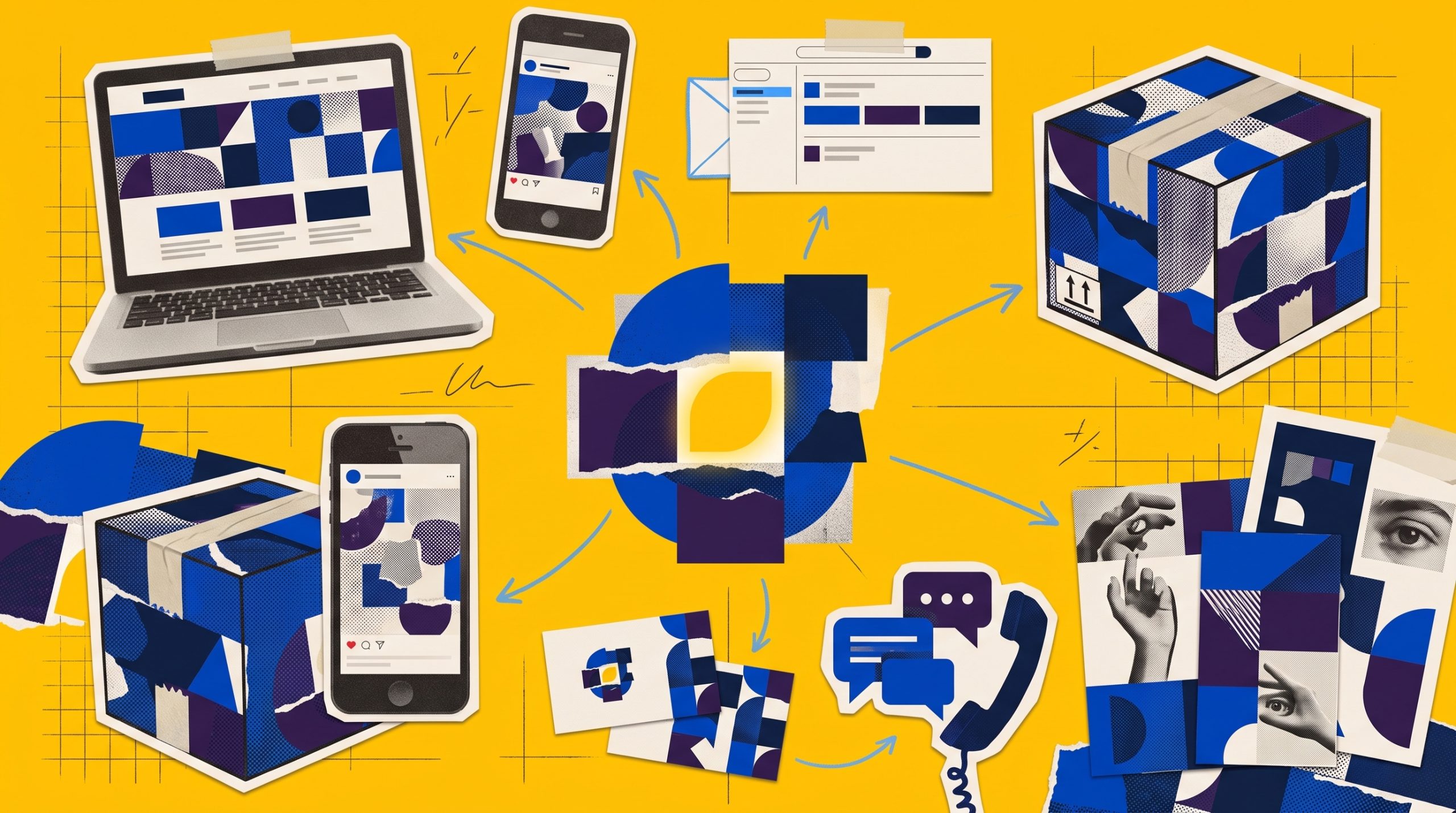
Your brand identity extends far beyond visual design. Every interaction, from your website and social media to customer service and emails, shapes how people experience and remember your business.
This is where many businesses unintentionally create inconsistency.
Their website feels polished.
Their social media feels completely different.
Customer emails sound formal.
Sales presentations sound casual.
None of these things are necessarily wrong.
But together, they create a confusing experience.
A strong brand identity creates consistency across every touchpoint.
| Touchpoint | What It Communicates |
| Website | Professionalism |
| Social media | Personality |
| Customer service | Trustworthiness |
| Email communication | Reliability |
| Visual identity | Recognition |
Customers rarely judge your business based on one interaction.
They remember the overall experience.
The more consistent that experience feels, the stronger your brand recognition becomes.
Consistency Is What Turns Recognition Into Trust
A consistent brand helps customers know what to expect every time they interact with your business. From your visual identity to your tone of voice, consistency strengthens trust and makes your business easier to remember.
Have you ever visited a company's website that looked polished, only to find outdated social media pages or inconsistent messaging elsewhere?
It feels disconnected.
Customers notice these details more than businesses realize.
Brand consistency does not mean saying the same thing repeatedly. Maintaining brand consistency across your website, social media, and marketing materials helps customers recognize your business wherever they find you. We'll explore practical ways to achieve this in our upcoming guide on brand consistency.
Whether someone discovers your business through Google, LinkedIn, Instagram, or a referral, the experience should feel familiar.
Over time, that familiarity becomes trust.
A Quick Brand Consistency Check
Ask yourself these questions:
| Question | Why It Matters |
| Does your website reflect your current business? | First impressions often happen online. |
| Are your logo, colors, and messaging consistent? | Consistency improves brand recognition. |
| Do your social media platforms sound like the same company? | Customers expect one clear identity. |
| Would your employees describe your brand the same way? | Internal clarity creates external consistency. |
If you answered "no" to more than one of these, it may be time to revisit your branding strategy.
Trust Is Built Long Before Someone Becomes a Customer
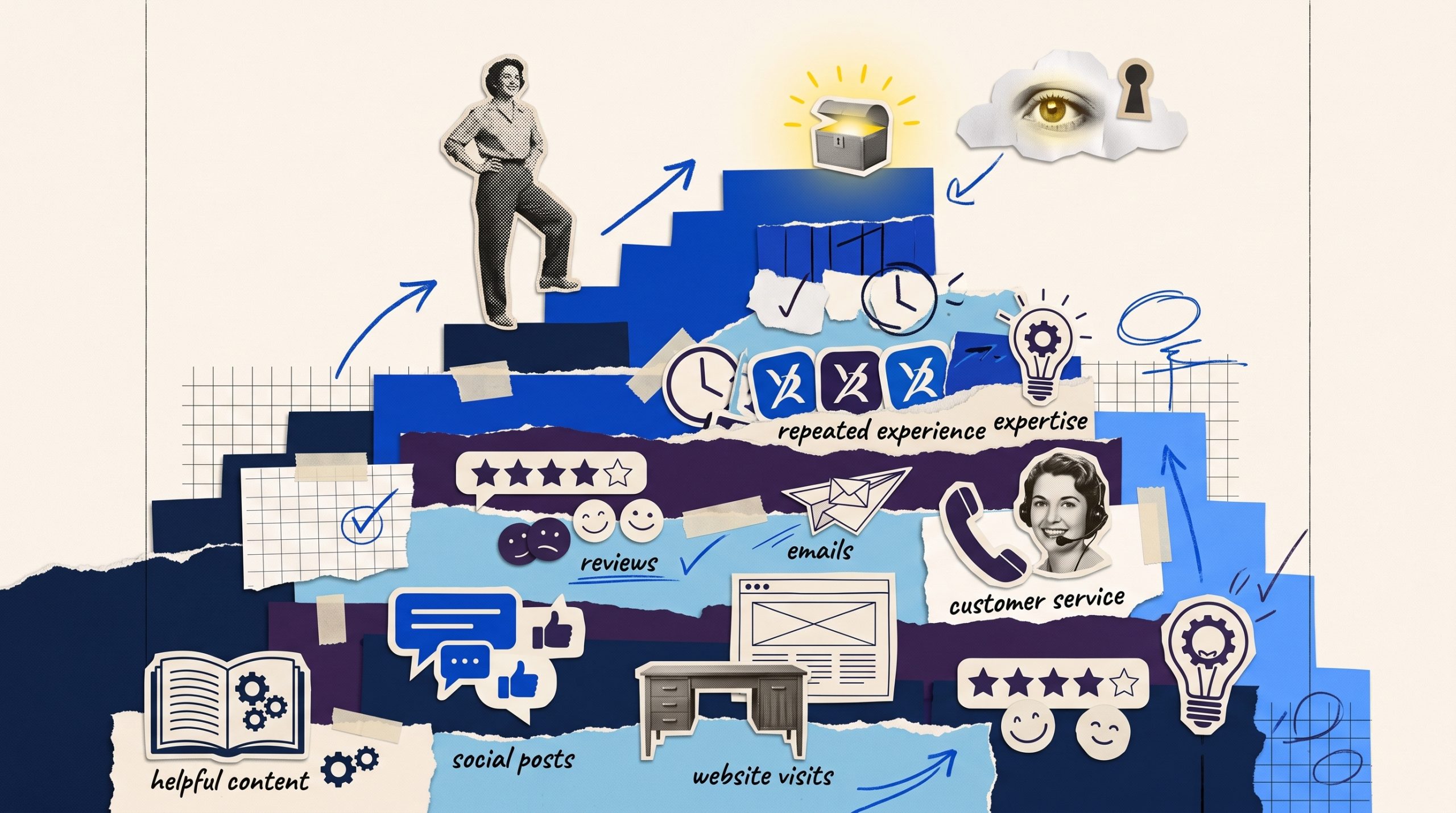
Customers rarely buy from a business the first time they discover it. Trust is built gradually through helpful content, consistent communication, and positive experiences that demonstrate expertise over time.
Think about the last major purchase you made.
You probably didn't decide immediately. You researched. Compared options. Read reviews.
Visited websites.
That same behavior applies to your customers.
Every blog post, social media update, email, and client interaction either builds confidence or creates doubt.
That is why branding and content marketing work so well together.
Publishing educational content consistently strengthens brand awareness while helping potential customers understand your expertise before they ever reach out.
When businesses consistently educate instead of constantly selling, they position themselves as trusted experts instead of just another option.
This is one reason BSD places so much importance on educational content. Every helpful article becomes another opportunity to build credibility before the first conversation ever happens.

Personal Brands Are Changing How Businesses Grow
People connect with people before they connect with companies. Businesses that combine a strong corporate brand with authentic leadership often build trust faster and create stronger customer relationships.
One of the biggest branding trends over the past few years is the rise of personal branding.
Customers increasingly want to know the people behind the business.
Who started the company? What do they believe in? What experience do they bring?
For many businesses, especially service-based companies, the founder's reputation becomes part of the overall business identity.
That does not mean every business owner needs to become an influencer.
It simply means showing the human side of your company.
Sharing insights. Celebrating milestones. Talking about lessons learned.
People relate to stories much more than slogans.
Forbes Communications Council recently noted that strong personal brands often strengthen business brands because they create authenticity, something customers value more than polished marketing alone.
Branding Is Never Finished
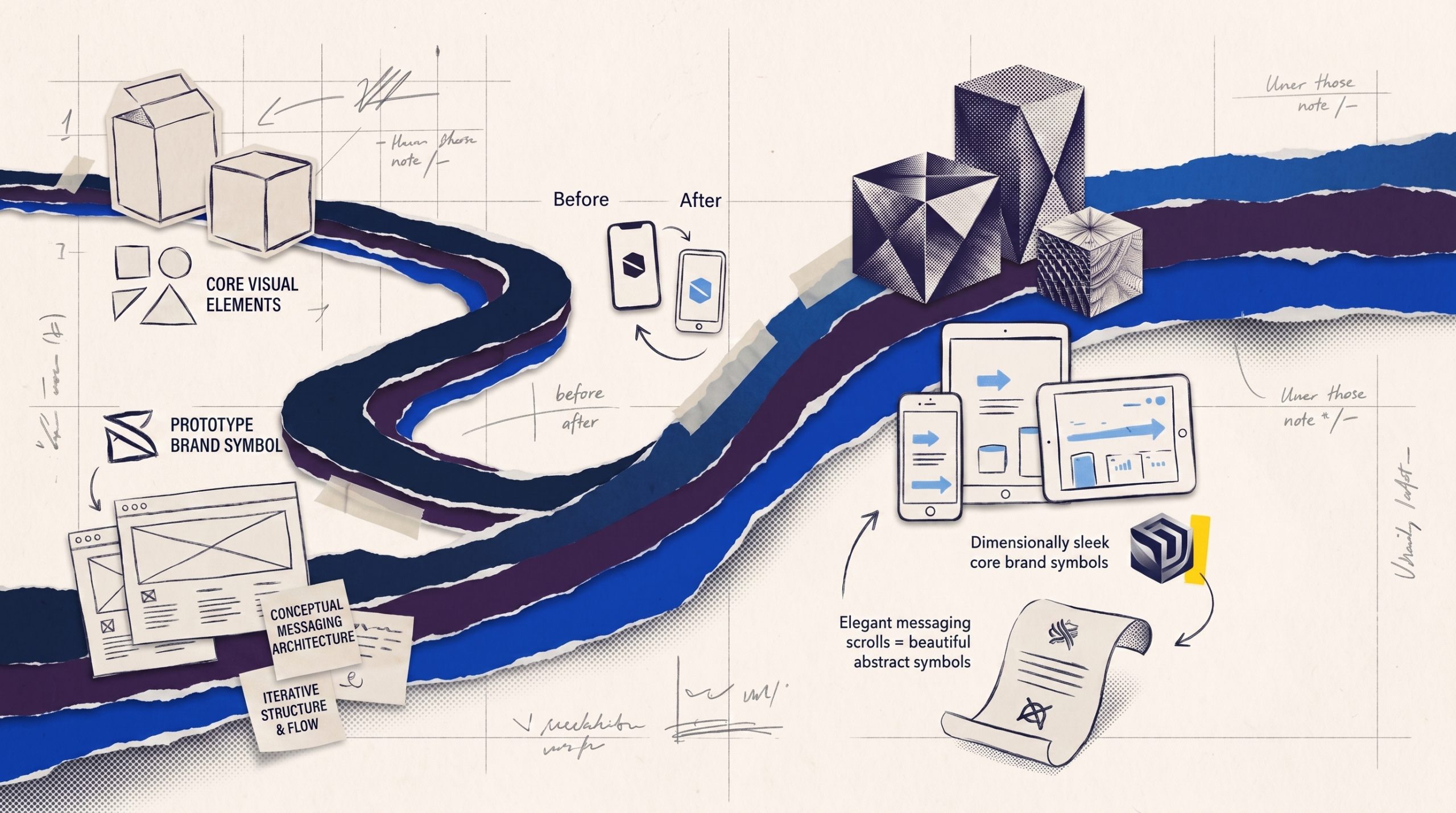
Building a brand is an ongoing process. As your business grows, your messaging, positioning, and customer expectations evolve too. Regular brand reviews help ensure your business continues to stay relevant.
One common misconception is that branding is a one-time project.
Design the logo. Launch the website. Done.
In reality, brands grow alongside businesses.
Your audience changes. Your services evolve. Markets become more competitive.
What worked five years ago may no longer reflect who you are today.
That is why successful businesses regularly review their brand positioning.
Sometimes that means refreshing visual assets.
Sometimes it means refining messaging.
Sometimes it means completely rethinking how the company communicates its value.
The goal is not to change your identity every year.
The goal is to make sure your brand continues reflecting where your business is heading.
Is Your Brand Working As Hard As You Are?
A growing business should regularly evaluate whether its brand still supports its goals. A simple brand audit can reveal opportunities to improve customer perception, strengthen messaging, and create a more consistent experience.
 Before investing in another marketing campaign, take a step back and ask yourself:
✓ Can someone understand what makes my business different within the first few seconds of visiting my website?
✓ Does my messaging sound consistent across every platform?
✓ Does my visual identity still reflect the quality of my business today?
✓ Are we known for something beyond the products or services we sell?
✓ Would our customers describe our brand the way we want them to?
If several of those questions made you pause, your next investment may not be more advertising.
It may be building a stronger brand.
Key Takeaway
Marketing gets people to notice your business.
Branding gives them a reason to remember it.
BSD Perspective
At Brightsand Designs, we've worked with businesses across different industries, from construction and professional services to retail and healthcare.
One thing we've consistently observed is that businesses rarely struggle because they lack expertise.
More often, they struggle because they have not communicated that expertise clearly.
We've seen companies invest heavily in advertising while overlooking the foundation that makes marketing effective in the first place.
A clear brand gives every marketing effort more direction.
When customers understand who you are, what you stand for, and why your business is different, every campaign becomes more effective because you're reinforcing trust instead of trying to create it from scratch.
Marketing performs better when branding comes first.
Build Something People Remember
Products change.
Markets evolve.
Competitors come and go.
A strong brand is one of the few business assets that continues growing over time.
When customers recognize your business, trust your expertise, and remember the experience you create, every future marketing effort becomes more effective.
That is why the goal should never be to simply grow a business.
The goal is to build a brand that people trust, recommend, and choose with confidence.
The businesses that thrive over the next decade will not necessarily be the ones spending the most on advertising.
They will be the ones who consistently communicate who they are, what they believe in, and why they matter.
If your business can do that well, growth becomes much easier to sustain.

Startup Marketing Essentials: From Idea to Market Success
The journey of launching a startup is an exhilarating ride filled with boundless creativity, unwavering determination, and the promise of transforming a groundbreaking idea into a thriving reality. However, the path from concept to market success is an intricate maze, and effective marketing serves as a critical compass. In this comprehensive guide, we will embark on a voyage to explore the startup marketing essentials, unveiling innovative strategies to navigate the early stages of your startup journey successfully.
Crafting a Unique Value Proposition: Your North Star
Before diving headfirst into marketing strategies, it is imperative to carve out what sets your startup apart from the rest. Your unique value proposition (UVP) serves as the bedrock of your brand and marketing endeavors. It answers the pivotal question: Why should customers choose your product or service?
Your UVP should distinctly communicate the unparalleled benefits your startup offers in solving a specific problem or fulfilling a particular need.
Get Acquainted with Your Target Audience: The Magic Elixir
Comprehensive knowledge of your target audience is the cornerstone of success. Conduct thorough market research to decode the demographics, preferences, pain points, and behaviors of your ideal customers.
Create vivid buyer personas, embodying the essence of your ideal customers. These personas will empower you to tailor your marketing endeavors to cater to their unique needs.
Establish a Robust Online Presence: Your Digital Realm
In this digital age, cultivating a robust online presence is not optional; it is a necessity. Start by crafting a professional website that showcases your product or service, embodies your brand identity, and serves as a wellspring of valuable information for visitors.
Allocate resources to construct a user-friendly website, maintain active and engaging social media profiles, and generate content that educates, entertains, or inspires your audience.
Cultivate a Cohesive Brand Identity: The Art of Recognition
Your brand identity encompasses elements such as your startup's name, logo, colors, and messaging. Consistency in branding is the elixir that bestows recognition and trust on your audience.
Engrave your brand guidelines in stone, dictating the unvarying presentation of your brand across all channels. This meticulous consistency will forge a memorable and unified brand experience.
Content Marketing: The Kingdom of Authority
Content marketing stands as a potent instrument for establishing authority and nurturing relationships with your audience. Generate high-quality, enlightening content that addresses the pain points of your audience while positioning your startup as an industry luminary.
Concoct a content strategy encompassing an array of mediums such as blog posts, articles, videos, and more. These resources will be the palette through which you paint your expertise and deliver value to your audience.
Social Media Alchemy: Engaging the Masses
Harness the captivating power of social media platforms to connect with your audience, disseminate your content, and cultivate a vibrant community around your brand. Choose platforms that seamlessly align with the preferences of your target demographic and engage with them in a manner that feels authentic.
Nurture your social media presence by devising a content calendar, interacting earnestly with your audience, and promptly responding to comments and messages. Establish a sense of community to fortify your brand's presence.
Email Marketing: The Art of Building Relationships
The cultivation and sustenance of customer relationships are the bedrock of enduring success. Email marketing serves as the conduit through which you remain connected with your audience, impart updates, share valuable content, and promote your offerings.
Erect an email marketing strategy that includes segmented email lists, personalized content, and the judicious employment of automation to nurture relationships.
SEO: Ascending the Ranks
Search engine optimization (SEO) is the linchpin to augmenting your startup's online visibility. Optimize your website and content for relevant keywords, ascending the rankings on search engine results pages (SERPs).
Undertake comprehensive keyword research, fine-tune your website for search engine algorithms, and craft content that is not only search engine-friendly but also resonates with your target audience.
Paid Advertising: Turbocharge Your Growth
Paid advertising can act as an accelerant for your startup's growth, extending your reach to a broader audience. Consider pay-per-click (PPC) advertising, social media ads, and other paid channels to drive traffic and conversions.
Draft a meticulously calculated paid advertising strategy that aligns seamlessly with your objectives, targets your ideal audience, and manages your budget judiciously. Be vigilant in monitoring performance metrics.
Data-Driven Evolution: The Key to Excellence
The trajectory of successful startup marketing is a continuous evolution sculpted by meticulous analysis, tracking of key performance indicators (KPIs), and adaptability rooted in data-driven insights.
Implement robust analytics tools to vigilantly monitor your marketing endeavors, pinpoint areas of optimization, and make informed, data-backed decisions.
Conclusion
The odyssey of marketing a startup from concept to market success is a multifaceted expedition demanding meticulous planning, boundless creativity, and the dexterity to pivot when needed. By diligently adhering to these startup marketing essentials, you will not only chart a course toward a successful launch but also set the stage for a remarkable and enduring journey in the business landscape.
By partnering with Brightsand Designs, you can navigate the intricate landscape of startup marketing with confidence. Our tailored solutions and experienced team will support you at every step of your journey, from concept to market success. Let's embark on this remarkable expedition together and shape a prosperous future for your startup in the business landscape.


Crafting Your Entrepreneurial Brand Identity: Your Guide to Building a Memorable Startup Brand
Imagine your startup as a book cover. The brand identity is the captivating artwork that entices readers to open the book. It's what sets the stage for the story within and leaves a lasting impression. Crafting your entrepreneurial brand identity is not just about designing a fancy logo; it's about defining your startup's essence, personality, and visual identity in a way that resonates with your target audience.
In this guide, we'll demystify the art of branding for startups. We'll break it down into easy-to-follow steps, allowing you to create a brand identity that not only stands out but also tells your startup's unique story.
The Essence of Your Brand: What Drives Your Startup?
Your brand's essence is the core of your entrepreneurial journey. It's the foundation upon which your entire brand identity is built. Start by asking yourself some fundamental questions:
- What problem does your startup solve? Define the pain points you address and the solutions you offer.
- What values drive your business? Identify the principles and beliefs that guide your decisions and actions.
- What sets you apart from competitors? Determine your unique selling points (USPs) that make you special.
- Who is your target audience? Understand the demographics, interests, and needs of your ideal customers.
With these answers, you'll begin to see the essence of your brand taking shape. It's the story you want to tell, the emotions you want to evoke, and the promises you want to keep.
The Personality of Your Brand: Giving Life to Your Startup
Think of your brand as a person. What traits and characteristics would they have? This is your brand's personality. Are you a friendly guide, a reliable expert, or an adventurous innovator? Your brand's personality should align with your target audience's preferences and resonate with their values.
Consider these personality dimensions:
- The tone of Voice: How does your brand communicate? Is it formal, conversational, or playful?
- Values: What ethical and moral values does your brand uphold?
- Character Traits: Is your brand ambitious, compassionate, creative, or dependable?
- Storytelling Style: How does your brand narrate its story? Is it inspirational, humorous, or educational?
By defining your brand's personality, you'll humanize your startup, making it relatable and memorable to your audience.
The Visual Identity: The Face of Your Startup
Now, let's talk visuals. Your brand's visual identity encompasses everything your audience can see, from logos and color schemes to typography and imagery. Here's how to create a compelling visual identity:
- Logo: Design a logo that visually represents your brand's essence and personality. Keep it simple, memorable, and versatile.
- Color Palette: Choose a set of colors that resonate with your brand's emotions and values. Stick to a consistent palette.
- Typography: Select fonts that match your brand's personality. Consider readability and adaptability across various media.
- Imagery: Use visuals that reinforce your brand's messaging. Whether it's photos, illustrations, or icons, ensure they align with your brand.
Remember that consistency is key. Your visual identity should remain uniform across all touchpoints, from your website and social media profiles to marketing materials.
Building Recognition: Your Brand Everywhere
To make your entrepreneurial brand identity truly stick, you need to integrate it into every facet of your startup. Here's how:
- Website: Your website should be a visual and emotional reflection of your brand identity. Use your colors, fonts, and imagery consistently.
- Social Media: Apply your brand identity to your social media profiles, cover images, and posts.
- Marketing Collateral: Incorporate your logo and visual elements into business cards, brochures, and presentations.
- Customer Interactions: Train your team to embody your brand's personality in their interactions with customers.
- Content: Whether you're writing blog posts, creating videos, or sending emails, your content should speak in your brand's voice.
By infusing your brand identity into every aspect of your startup, you'll build recognition and trust among your audience.
Monitoring and Adapting: The Brand Identity Evolution
Your brand identity isn't static; it's an evolving entity that grows with your startup. Monitor your brand's performance, collect feedback, and be open to making adaptations when necessary. As your startup matures and your audience evolves, your brand identity may need refinement to stay relevant.
Remember, your entrepreneurial brand identity isn't just a logo or a tagline. It's the emotional connection you forge with your audience, the story you tell, and the values you uphold. Craft it with care, and your startup will have a captivating book cover that entices readers to discover the remarkable story within.
Together, we can shape a brand that resonates with your audience and helps your startup thrive in the competitive business landscape. Contact us today to embark on this exciting branding expedition!
Why Is It Crucial To Redesign Branding For Your Business
A brand is more than just a logo. Your brand is an outward projection of what your customers think you do and how you make them feel. People tend to view a brand as a stamped design on the side of a product, but it's so much more than that.
Make it Make Sense.
Redesigning your logo is a restructuring of your current brand. The brand should tell a story about your values. If that story has or needs to change, you might want to consider a revamp. This can happen due to companies merging or the current brand no longer retaining the spirit it once had.
By redesigning your brand, you can update how your company looks. It's like holding up a mirror. Your brand is what you want to be reflected in when people see you. That said, is the current mirror image of your brand what you've been wanting to see?
Grow and Glow
Having a solid brand is one of your most significant assets! Your company should constantly be growing and building long-lasting customer relationships. When you redesign your brand, this gives your company a new voice. However, the tone of your brand should remain consistent with your mission and values. You want to bring your company into the future and not stay jaded.
You're redeveloping a strategy to achieve your business goals by updating your branding. When you evaluate where you currently are and where you want to go, working with the right marketing agency can help you reach your destination faster.
Depending on the type of business industry you're in, we recommend that existing businesses consider redesigning their brand should they encounter a gap between what their brand stands for and what their logo represents.
Businesses must be able to not only identify themselves accurately but also be able to significantly put their best foot forward with just the initial contact.
Ch-Ch-Changes
Why is change a good thing? Because it's necessary and one that is inevitable. The current economic shift and people's lives have changed dramatically. Recognizing the changing times, studying new trends, and adjusting your business accordingly is essential. Our goal is not to let your business get left behind during these crucial times.
BRIGHTSAND Designs can help you with this and more to promote your brand at a level that could bring you a new audience and keep your current customers' loyalty through strategic and practical solutions.